

Best Time to Visit Dubai: A Month-by-Month Guide (2026)
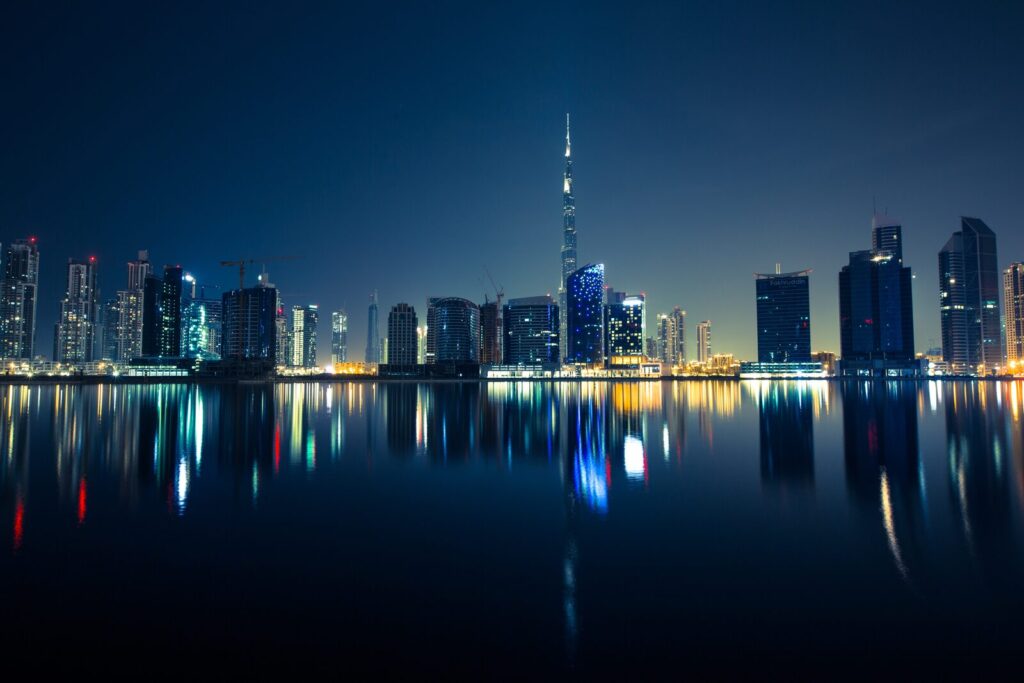
The short answer: the best time to visit Dubai is November to March, when daytime temperatures sit in a comfortable 24–30°C, the evenings are cool enough for outdoor dining, and the beaches and desert are actually pleasant rather than punishing. That’s also exactly why it’s the busy, pricier half of the year. If you want the same good weather with smaller crowds and lower hotel rates, the shoulder months of October and April are the sweet spot. And if your only window is summer, Dubai still works — you just plan around the heat instead of fighting it.
Below is a month-by-month breakdown of weather, sea temperatures, crowds and prices, followed by the best timing for specific things — beaches, desert safaris, the Dubai Shopping Festival, and travelling on a budget. We run group and FIT trips into the UAE year-round, so this is the same seasonal logic we use when we plan client itineraries.
Dubai weather month by month
| Month | Avg high / low (°C) | Rain & sun | Sea temp | Crowds & season |
|---|---|---|---|---|
| January | 25 / 16 | A few rain days, mostly sunny | 22°C | Peak — busy, highest prices |
| February | 27 / 17 | Wettest month (~35mm), sunny | 22°C | Peak — busy |
| March | 30 / 20 | Occasional rain, sunny | 23°C | Peak tapering off |
| April | 34 / 23 | Dry, very sunny | 26°C | Shoulder — good value |
| May | 38 / 27 | Dry, hot, humidity rising | 29°C | Low season begins |
| June | 40 / 30 | Dry, intense sun | 31°C | Low — quiet, cheapest |
| July | 41 / 31 | Dry, very humid | 33°C | Low — quiet |
| August | 41 / 31 | Dry, peak humidity | 33–34°C | Low — quiet |
| September | 39 / 29 | Dry, still very hot | 33°C | Low, picking up late |
| October | 35 / 25 | Dry, sunny, cooling | 31°C | Shoulder — value sweet spot |
| November | 30 / 22 | Dry, sunny, pleasant | 28°C | Peak begins |
| December | 27 / 18 | A few rain days, sunny | 24°C | Peak — busiest (NYE) |
The pattern is simple: Dubai has two seasons, not four. A warm, dry, comfortable winter (roughly November through March) and a long, fierce summer (April through September) when daytime highs routinely hit 40°C+ and humidity off the Gulf makes it feel hotter. Rain is rare all year — Dubai sees only around 25 rainy days annually, mostly short downpours between November and March, with February the wettest month.
Peak season (November–March): the best weather, the highest prices
This is Dubai at its best and its busiest. Highs sit between 24°C and 30°C, nights are cool, the humidity drops, and you can genuinely enjoy being outdoors all day — beach in the morning, desert in the afternoon, outdoor dining at night. It’s the only stretch of the year when the city’s huge outdoor scene (beach clubs, rooftop bars, Global Village, sound-and-light shows) is comfortable.
The trade-off is cost and crowds. Hotel rates climb sharply, the best properties book out weeks ahead, and the late-December to early-January window around New Year’s Eve is the single most expensive and crowded period of the year — the Burj Khalifa fireworks pull in enormous numbers. If you’re set on winter, book early and consider shoulder dates either side of the Christmas–New Year peak.
Shoulder months (October & April): the value sweet spot
October and April are the months experienced travellers quietly favour. The weather is still hot — highs around 34–35°C — but the unbearable peak of summer has either just ended (October) or not quite arrived (April), the sea is warm and swimmable, and crowds and prices have not yet hit winter levels. October in particular is excellent: the city is shaking off summer, the desert is cooling down in the evenings, and you can often find winter-quality conditions at noticeably lower rates.
If your priority is good weather and good value rather than the absolute best conditions, target these two months. Pack for heat, plan outdoor activities for early morning and after sunset, and you’ll get most of the winter experience for less.
Summer (May–September): the heat — but real deals and indoor Dubai
Let’s be honest about it: a Dubai summer is brutal. Daytime highs of 40–41°C, sea temperatures that climb to a bath-like 33–34°C, and humidity that makes a short walk between buildings feel oppressive. Midday outdoors is genuinely not advisable for long.
So why do plenty of people still come? Two reasons. First, prices: summer is low season, and you’ll find the lowest hotel rates of the year, often on properties that are out of reach in winter. Second, Dubai is built for the heat. The entire city is engineered around air-conditioning — vast malls (Dubai Mall, Mall of the Emirates with its indoor ski slope), indoor theme parks, aquariums, the IMG Worlds of Adventure, museums and the observation decks are all climate-controlled. The annual Dubai Summer Surprises festival (roughly late June to August) leans into this with retail promotions and family events.
The summer playbook is straightforward: hotel pool or beach at dawn, indoors through the heat of the day, out again in the evening. Do that and a budget summer trip works perfectly well — just don’t plan a midday desert hike.
Best time to visit Dubai for…
Beaches
November to April. The air is comfortable and the sea is a pleasant 24–28°C. In peak winter (Dec–Feb) the water dips to around 22°C, which is fine for most. Summer sea temperatures of 33°C+ are technically swimmable but feel more like a warm bath than a refreshing dip, and lying on the sand at midday is out of the question.
Desert safari
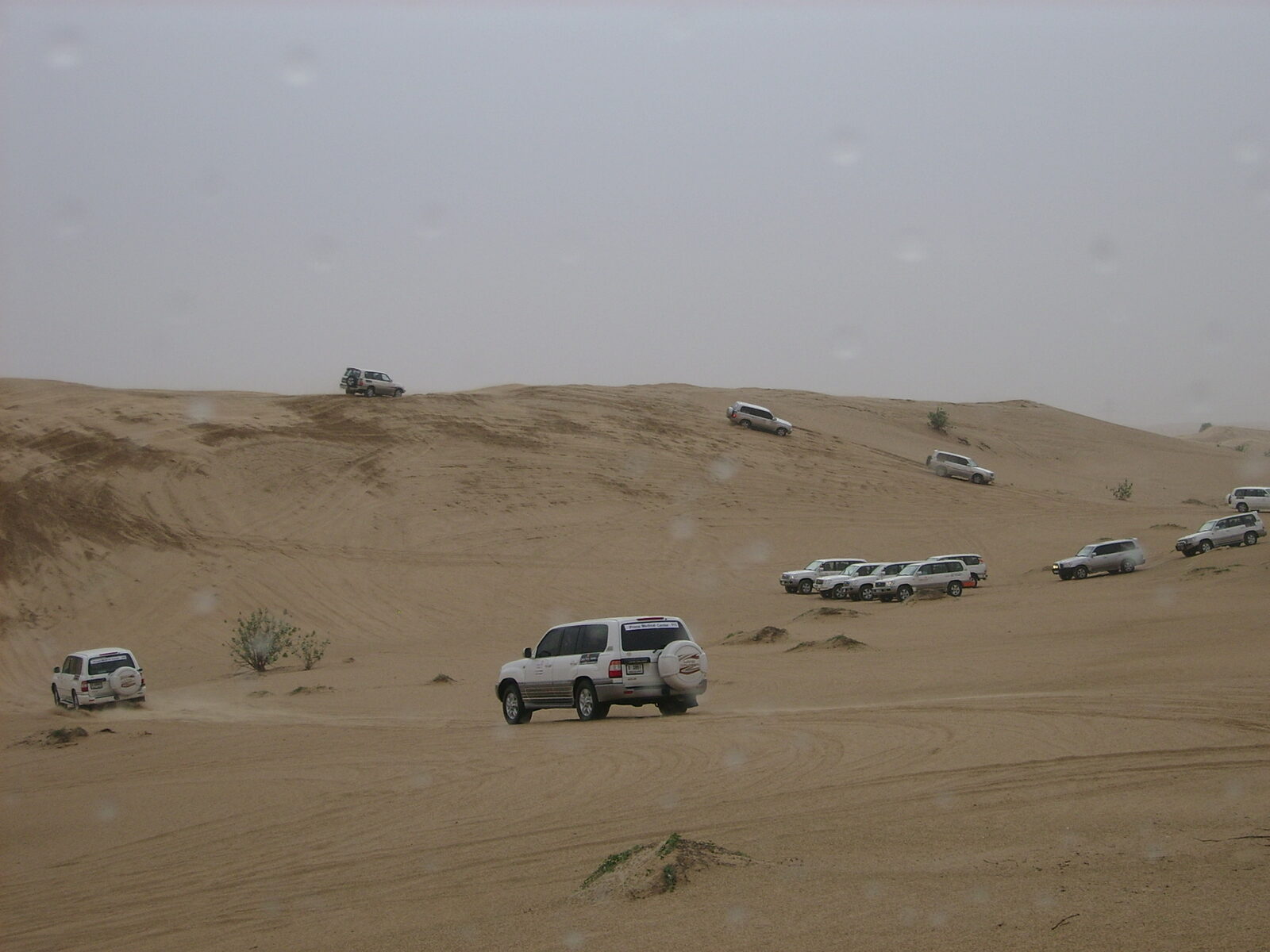
November to March, hands down. Cooler temperatures make dune bashing, camel rides and an evening at a desert camp genuinely enjoyable. Safaris run all year, but a summer afternoon in the dunes is exhausting — if you go in summer, choose an evening safari only.
Shopping & the Dubai Shopping Festival
December to January. The flagship Dubai Shopping Festival (DSF) runs across this window, with discounts of 25–90% at thousands of outlets, raffles, fireworks and entertainment. It coincides with the best weather, so it’s no surprise this is peak season. Bargain hunters who don’t mind the heat also do well during the summer sales tied to Dubai Summer Surprises.
Budget travel
June to September. Low season means the cheapest flights and hotels of the year. Pair the savings with the indoor-Dubai strategy above and you can stay somewhere far nicer than your winter budget would allow. October and April are the next-best value if you want kinder weather.
Events & festivals calendar
Dubai’s events calendar is busiest in the cool season. The headline dates worth planning around:
- Dubai Shopping Festival — roughly early December to mid-January. The city’s biggest retail and entertainment event.
- New Year’s Eve fireworks — 31 December, centred on the Burj Khalifa and Downtown. Spectacular, but the busiest night of the year.
- Global Village — open roughly October through April, a large open-air culture-and-shopping park that only operates in the cool season.
- Dubai Marathon & Dubai Tennis Championships — January and February respectively.
- Dubai World Cup — the world’s richest horse race, typically late March.
- Dubai Summer Surprises — roughly late June to August, summer retail festival and family events.
- GITEX Global — one of the world’s largest tech exhibitions, scheduled for 7–11 December 2026 at Expo City Dubai (it has historically run in October, so always confirm the current year’s dates if you’re travelling for it).
Note that Ramadan moves about 10–11 days earlier each year. In 2026 it is expected to run from roughly mid-February to late March, with Eid al-Fitr at the end — overlapping with peak tourist season. More on what that means for visitors below.
Ramadan: what visitors should know
Visiting during the holy month of Ramadan is perfectly fine, and many travellers enjoy the atmosphere — but it helps to know what changes. Eating, drinking and smoking in public during daylight hours is not permitted out of respect for those fasting; most hotels still serve guests, but many street-level cafés and restaurants stay closed or screened-off until sunset. Dress a little more conservatively than usual, and keep public behaviour low-key during the day.
The upside is real. After sunset, the city comes alive with iftar — the meal that breaks the fast — and lavish iftar and late-night suhoor buffets are a genuine highlight, often at very good value. Shopping malls and attractions typically run shifted hours, opening later and staying open well into the night. If you’re relaxed and respectful about the daytime rhythm, Ramadan can be one of the more memorable times to experience Dubai. Because the dates shift each year, confirm them before you book.
How many days & getting there
For a first visit, four to five nights is a comfortable amount of time — enough for the city highlights (Burj Khalifa, Dubai Mall and Fountain, Old Dubai and the souks), a desert safari, a beach day, and a day trip to nearby Abu Dhabi if you want to add the Sheikh Zayed Grand Mosque and the Louvre. Stretch to a week if you want a slower pace or to add theme parks.
Dubai International (DXB) is one of the world’s best-connected airports, with direct flights from almost everywhere. It’s about 15–30 minutes from most central hotels, but arrivals halls and taxi queues can be slow at peak times — arranging a transfer in advance saves the hassle. See our Dubai airport transfer guide for the options, and our full Dubai DMC services for end-to-end trip planning.
Frequently asked questions
What is the best month to visit Dubai?
If you want the single best balance of weather and atmosphere, January and February are hard to beat — comfortable 25–27°C days, cool evenings and the Dubai Shopping Festival in full swing. For better value with similar weather, choose October or April instead.
What is the cheapest time to visit Dubai?
June to September. These low-season summer months bring the cheapest flights and hotel rates of the year because of the extreme heat. If you can handle a heat-managed itinerary, the savings are substantial.
What are the hottest months in Dubai?
July and August, with average highs around 41°C and very high humidity. June and September are only marginally cooler. Midday outdoor activity should be avoided across all of these months.
Is it worth visiting Dubai in summer?
Yes, if you go in with the right plan. Summer brings the lowest prices of the year, and Dubai’s malls, indoor attractions, aquariums and theme parks are all air-conditioned. Spend midday indoors and save the beach and desert for early morning and evening, and a budget summer trip works well.
When is the best time for a desert safari in Dubai?
November to March, when cooler temperatures make dune bashing and an evening in the desert camp genuinely enjoyable. Safaris run all year, but in summer stick to evening departures only.
When is the Dubai Shopping Festival?
The Dubai Shopping Festival runs across the cool season, roughly from early December to mid-January, with citywide discounts of 25–90%, raffles, fireworks and entertainment. Dates shift slightly each year, so check the latest schedule when you plan.
Plan your Dubai trip
Whatever the season, the difference between a good Dubai trip and a great one is in the planning — getting the timing right, lining up the desert safari, beach and city days in the correct order, and not losing half a day to airport queues. As a Singapore-based DMC running trips into the UAE, we handle that end to end for travel agents and corporate groups. Get in touch to plan your Dubai itinerary, or explore our full Dubai DMC services.

Travel DMC Group
Travel DMC Group is a B2B destination management company handling ground services — hotels, transfers, guided tours, MICE and group logistics — across Asia, the Middle East and the Caucasus. These guides are written by our in-house operations and product team from first-hand experience running group departures.
Recommended Posts
How Many Days Do You Need in Dubai? (2026 Guide)
June 22, 2026
Dubai Airport Transfer: DXB to City Guide (2026)
June 22, 2026