

Best Time to Visit Mauritius: A Month-by-Month Guide (2026)
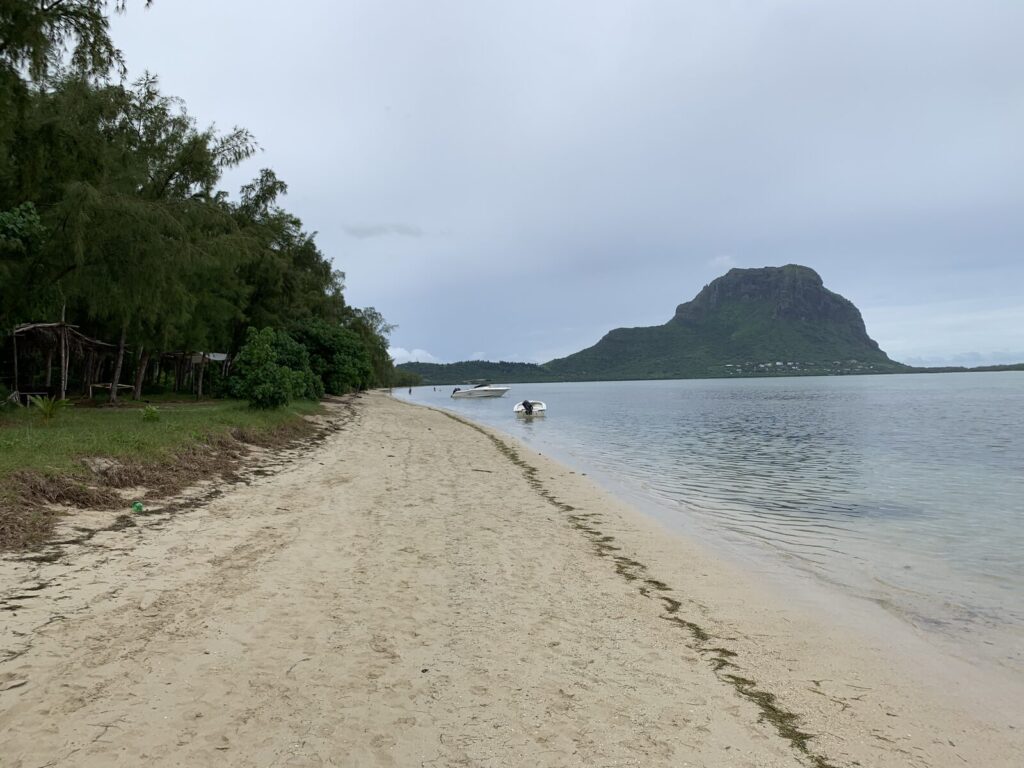
The short answer: the best time to visit Mauritius is the cooler, drier winter — roughly May to December — when the humidity drops, the rain eases off and the island settles into long stretches of sunshine. September to December is the sweet spot: warm but not sticky, calm seas, and the lagoons at their clearest. Because Mauritius sits in the southern Indian Ocean, the seasons are flipped from the northern hemisphere — its “winter” is your beach weather, and its “summer” (January to April) is the warm, lush, rainy half of the year, with a cyclone risk that peaks January to March.
We’re a Singapore-based DMC and we plan Mauritius trips year-round, so here’s the honest version: the sea is warm in every month, there’s no genuinely bad time to go, and “season” is really about humidity, rain and what you want to do — diving, kitesurfing, a quiet honeymoon, or a budget escape. Below is the month-by-month picture, the all-important east-versus-west-coast difference, and the best window for each kind of trip.
Mauritius weather month by month
| Month | Weather | Sea & conditions | Crowds |
|---|---|---|---|
| January | Hot, humid; cyclone risk | Warm sea; can be rough | Busy (New Year) |
| February | Hottest, wettest; cyclone peak | Warm; storm swell possible | Quieter |
| March | Hot, humid; rain easing | Warm; settling | Quiet |
| April | Warm, drying out | Warm, calming | Quiet; good value |
| May | Mild, dry, pleasant | Calm, clear | Building |
| June | Cool, dry, breezy | Breezy east; calm west | Mid |
| July | Coolest, dry, windy | Windy (kitesurf season) | Family peak |
| August | Cool, dry, breezy | Windy east; whales offshore | Family peak |
| September | Mild, dry, sunny | Calm, clear | Mid |
| October | Warm, dry, lovely | Calm, clear; best diving | Mid |
| November | Warm, mostly dry | Calm, warm | Building |
| December | Warm, humidity rising | Warm; first showers | Busy (festive) |
One thing the table can’t show: Mauritius is small but its two coasts behave differently on the same day. The southeast trade winds blow more or less year-round, so the east is often breezy while the west sits in a wind shadow and stays calm — more on that below. Air temperatures swing only modestly through the year, roughly 24–33°C in summer down to 17–28°C in winter, and the sea never drops below about 22°C, so you can swim comfortably in any month.
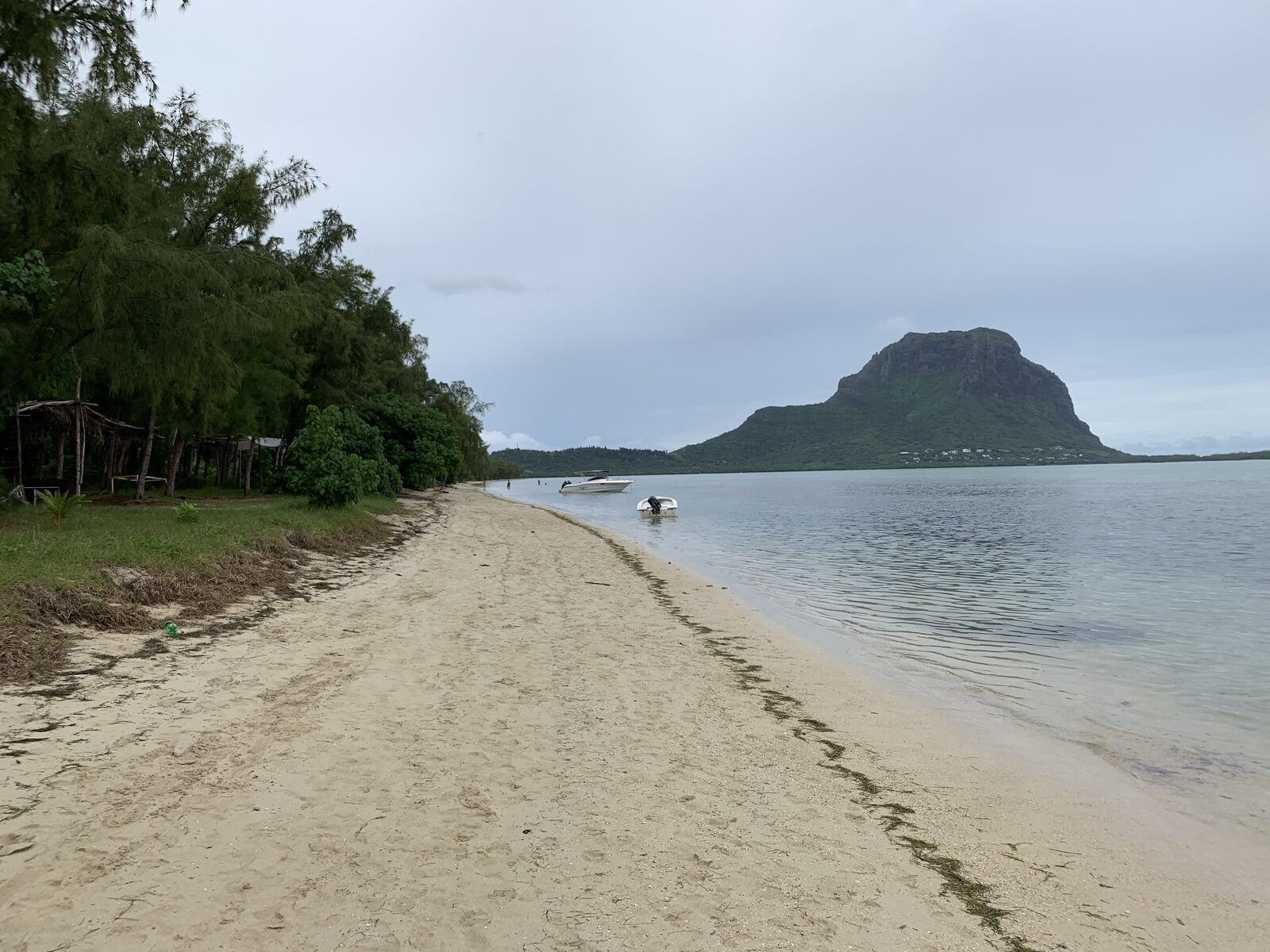
Winter (May–Dec): the cool, dry, popular season
This is the Mauritius most people picture and the reason May to December is the most popular window. The southern-hemisphere winter is dry, sunny and noticeably less humid — days are warm rather than baking, evenings can feel fresh, and the lagoons turn clear and inviting. June, July and August are the coolest and breeziest months; expect comfortable mid-20s by day and a light jacket for dinner, especially on the central plateau, which is always a few degrees cooler and wetter than the coast.
If you want our pick, it’s September to December. The wind has dropped from its July peak, the sea is calm and clear, the humidity hasn’t yet climbed back, and the island looks its best. The two ends of this window are also the busiest of the whole year — the European and South African winter holidays fill resorts from July, and the festive fortnight around Christmas and New Year is the single busiest, priciest stretch. Book those weeks well ahead.
- Best for: beaches, honeymoons, diving and snorkelling, families, anyone who dislikes humidity.
- Watch out for: July–Aug winds on the east coast, cooler evenings on the plateau, and festive-season prices in late December.
Summer (Jan–Apr): warm, lush, with rain & cyclone risk
The southern-hemisphere summer is hot and humid, and it’s when most of the year’s rain falls — short, heavy tropical downpours rather than days of drizzle, usually clearing to sun. The island turns vivid green, flame trees bloom, and the sea is at its warmest. It’s also the season many travellers overlook, which means quieter beaches and softer prices outside the New Year peak — April in particular is an underrated sweet spot, with the heat easing and the rain thinning out.
The real caveat is cyclones. Mauritius lies in the southwest Indian Ocean cyclone belt, and the official season runs November to April, with the highest risk from January to March. A direct hit is uncommon in any given year, but even a distant system can bring a few days of wind, heavy rain and rough seas, and trigger official cyclone warnings that close beaches and excursions. If you travel in these months, build in some flexibility and keep an eye on the forecast — but don’t write the season off, as plenty of summer days are pure sunshine.
- Best for: lush scenery, warm sea, lower prices, surfers chasing the south-coast swell, travellers who don’t mind a tropical shower.
- Watch out for: high humidity, heavy downpours, and the Jan–Mar cyclone peak.
East vs west coast: the trade-wind difference
This is the detail that catches first-timers out. The southeast trade winds blow across Mauritius for much of the year, so where you stay changes your experience as much as when you go. The east and southeast coasts (Belle Mare, Trou d’Eau Douce) catch the wind head-on — cooler, breezier, with more movement on the water. That’s a downside for flat-water swimming on a windy winter day, but it’s exactly why the east is the island’s kitesurfing and windsurfing hub, best from roughly June to September.
The west and northwest coasts (Flic en Flac, Le Morne, Trou aux Biches, Grand Baie) sit in the lee of the central hills and stay calmer, warmer and more sheltered — the better bet for glassy lagoons, sunset swims and laid-back beach days, especially in winter. The north around Grand Baie is the liveliest for nightlife and restaurants and is sheltered most of the year. The south is wilder, greener and best for dramatic scenery and surfing. None of this is rigid — but if calm water matters to you in the breezy mid-winter months, lean west.
Best time to visit Mauritius for…
Beaches & honeymoon
For a beach holiday or honeymoon, aim for the dry winter, September to December — calm, clear lagoons, low humidity, reliable sun and warm evenings. May and the start of the season are lovely too, and a touch quieter. Base yourself on the sheltered west or northwest for the flattest water. If you want the postcard weather without the festive crush, late September to mid-November is hard to beat.
Diving & snorkelling
Visibility is best in the calm, dry months — roughly October to April, with the early summer (October–December) offering warm water and clear conditions before the heaviest rains. The cooler winter is still very diveable, especially on the sheltered west coast around Flic en Flac, which is the island’s main dive base. The lagoons are warm and snorkel-friendly all year; for the clearest water and calmest seas off the boat, the Sep–Dec window is the safe pick.
Surfing & kitesurfing
These two pull in opposite directions. Kitesurfing and windsurfing peak in the windy winter, about June to September, on the east and southeast coasts — Le Morne’s lagoon and Belle Mare are the classic spots. Surfing works best when the summer swells arrive, roughly May to August on the south coast (Tamarin and One Eye at Le Morne are the famous breaks), with the bigger waves landing in the southern winter. If wind sports are the whole point of the trip, travel in winter and base yourself on the windward side.
Dolphin & whale watching
Spinner and bottlenose dolphins are resident off the west coast (Tamarin Bay) and can be seen year-round on early-morning trips. Humpback whales migrate past Mauritius during the southern winter, roughly July to October/November, when respectful whale-watching boats head out from the west coast — peak sightings tend to fall in August and September. So winter does double duty here: calm mornings for dolphins and the whale season at the same time.
Budget
The cheapest time to visit Mauritius is the warm, wet summer — roughly late January to March, the quiet stretch after the New Year peak and before the dry season. You accept more humidity, the chance of downpours and the cyclone risk, but rates on resorts and flights are at their lowest and the island is at its greenest. April is the value sweet spot if you want most of the savings with less rain and a smaller cyclone chance.
How many days & getting there
Most visitors fly into Sir Seewoosagur Ramgoolam International Airport (MRU) in the southeast, then transfer 45 minutes to over an hour to their resort depending on the coast. There are direct or one-stop connections from major hubs in Europe, the Gulf, India, South Africa and Asia; from Singapore and Southeast Asia it’s typically a one-stop routing. For the timing, weather and logistics of a larger trip, see our Mauritius incentive & group travel guide.
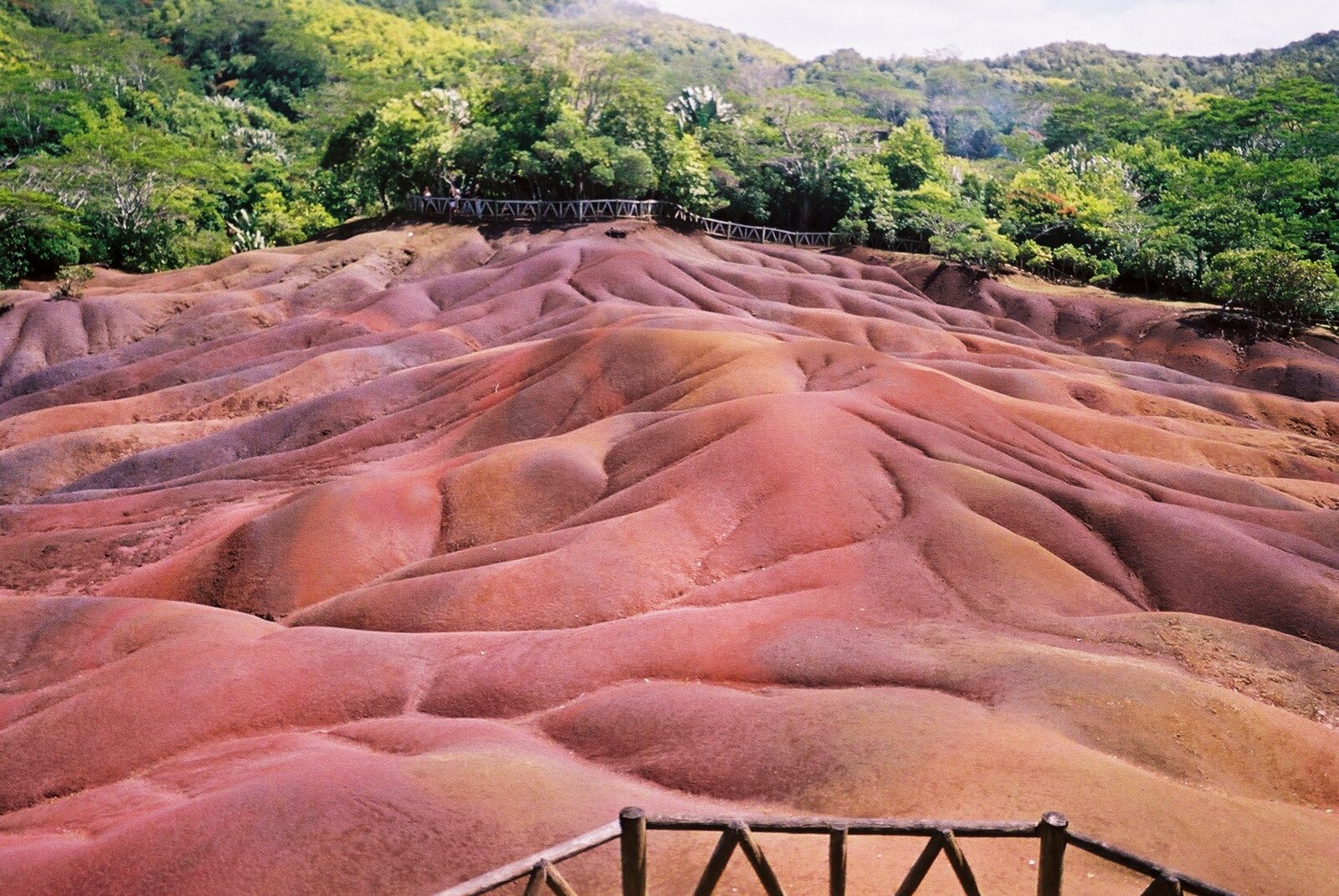
On length of stay: five to seven nights is the comfortable range for a beach-focused trip, leaving room to relax and still see a couple of highlights — Chamarel and the southwest, Black River Gorges, Port Louis market, or a catamaran day to the northern islets. Ten nights lets you split between two coasts (say, a calm west-coast base plus a few breezy days in the east) or combine the beach with the interior. For a honeymoon, seven nights on one good coast is the easy default.
Frequently asked questions
What is the best month to visit Mauritius?
October is a standout — warm, dry, low humidity, calm clear seas and fewer crowds than the festive peak. September and November are nearly as good. In broad terms, any month from May to December gives you the cool, dry winter weather most travellers want, with September to December the most reliable.
What is the cheapest time to visit Mauritius?
The warm, wet summer is cheapest, roughly late January to March, in the quiet window after New Year. Resort and flight prices drop and the island is lush and green, but you accept more humidity, the chance of heavy showers and the cyclone risk. April offers most of the value with less rain.
Is Mauritius a year-round destination?
Yes. The sea stays warm in every month and there’s no truly bad time to go — only trade-offs. Winter (May–Dec) is cooler, drier and most comfortable; summer (Jan–Apr) is hotter, greener and wetter with a cyclone risk but lower prices. Choosing the right coast for your dates matters as much as the month.
When is cyclone season in Mauritius?
The official cyclone season runs November to April, with the highest risk from January to March. A direct hit in any given year is uncommon, but distant systems can still bring a few days of wind, rain and rough seas. If you travel in these months, keep some flexibility in your plans and watch the forecast.
When is the best time for a Mauritius honeymoon?
The dry winter, especially September to December, gives honeymooners the calm, clear lagoons, low humidity and reliable sun they’re after. For the same weather with fewer crowds and softer rates, target late September to mid-November and stay on the sheltered west or northwest coast.
When is the best time for diving and surfing in Mauritius?
For diving and snorkelling, the calmest, clearest water is roughly October to April, with October–December a reliable pick on the west coast around Flic en Flac. Surfing is best when summer swells hit the south coast, around May to August. Kitesurfing peaks in the windy winter, June to September, on the east coast.
Plan your Mauritius trip
Once you’ve picked your window, the next decisions — which coast, which resort, how to dodge the wind or the rain on your exact dates — are where a local operator earns its keep. As a Mauritius DMC, we match the season to the right coast, line up transfers and excursions, and handle the on-the-ground detail so your trip runs smoothly. Tell us your dates and what you’re after and we’ll build a tailored plan — get in touch with our team.
Hero photo: Benoît Prieur, CC0, via Wikimedia Commons. Chamarel photo: Mauritiustrip, public domain, via Wikimedia Commons.

Travel DMC Group
Travel DMC Group is a B2B destination management company handling ground services — hotels, transfers, guided tours, MICE and group logistics — across Asia, the Middle East and the Caucasus. These guides are written by our in-house operations and product team from first-hand experience running group departures.
Recommended Posts
Mauritius for Incentives & Group Travel
June 19, 2026

How to Check an AI-Built Itinerary Before You Sell It
October 20, 2026