

Best Time to Visit the Maldives: A Month-by-Month Guide (2026)
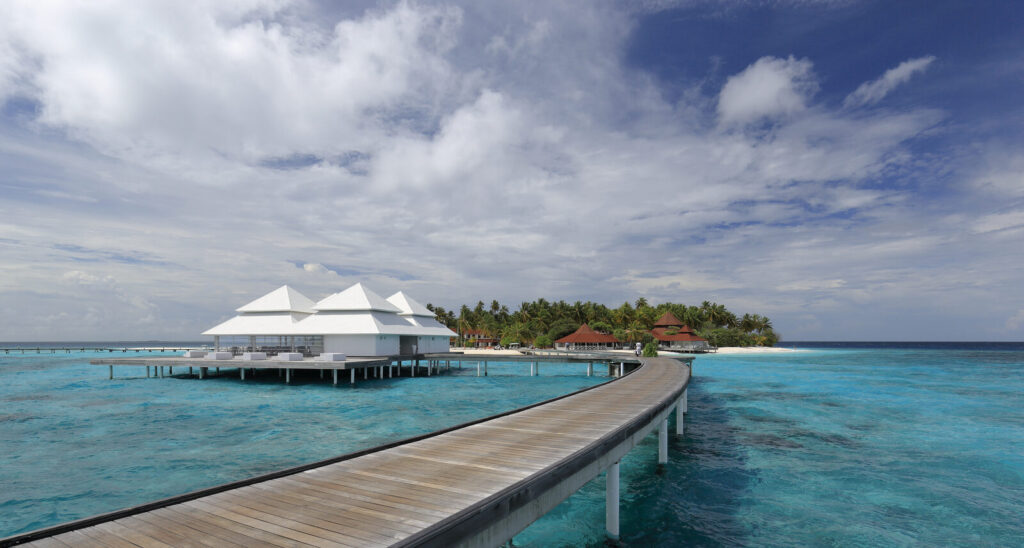
The short answer: the best time to visit the Maldives is the dry northeast monsoon, roughly November to April, with sunny skies, low humidity and the calmest, clearest water of the year. That window is also the busiest and priciest — peak rates land in December, January and February. The wet southwest monsoon (May to October) brings more cloud, wind and the odd downpour, but it stays warm, showers are usually short, and it’s when prices drop and the big marine life shows up. In other words, there’s no genuinely bad time to go — only trade-offs between weather, price and what you want to do.
We’re a Singapore-based DMC and we book Maldives trips year-round, so this is the honest version: month by month, what the sea and crowds are actually like, and which weeks suit a honeymoon versus a diving trip versus a budget escape. Temperatures barely move all year — air around 28–31°C, sea around 27–29°C — so “season” here is really about rain, swell and price, not whether you’ll be warm.
Maldives weather month by month
| Month | Temp °C | Rain / sun | Sea & crowds | Price level |
|---|---|---|---|---|
| January | 28–30 | Dry, very sunny | Calm, clear; busy | Peak |
| February | 28–31 | Driest month | Calm, clear; busy | Peak |
| March | 29–31 | Warm, mostly dry | Calm; busy easing | High |
| April | 29–31 | Hot, humid; first showers | Mostly calm; quieter | High → shoulder |
| May | 28–30 | Wet season begins | Choppier; quiet | Low |
| June | 28–30 | Wettest month | Windy, good swell; quiet | Lowest |
| July | 28–30 | Wet, breezy, sunny spells | Surf & manta season; quiet | Low |
| August | 28–30 | Wet but improving | Big swell; family peak | Mid (school holidays) |
| September | 28–30 | Variable, can be stormy | Manta peak; quiet | Low |
| October | 28–30 | Wettest tail of season | Settling; quiet | Low → shoulder |
| November | 28–30 | Drying out | Calming; filling up | Shoulder → high |
| December | 28–30 | Sunny (early rain possible) | Calm; festive rush | Peak (Christmas/NY) |
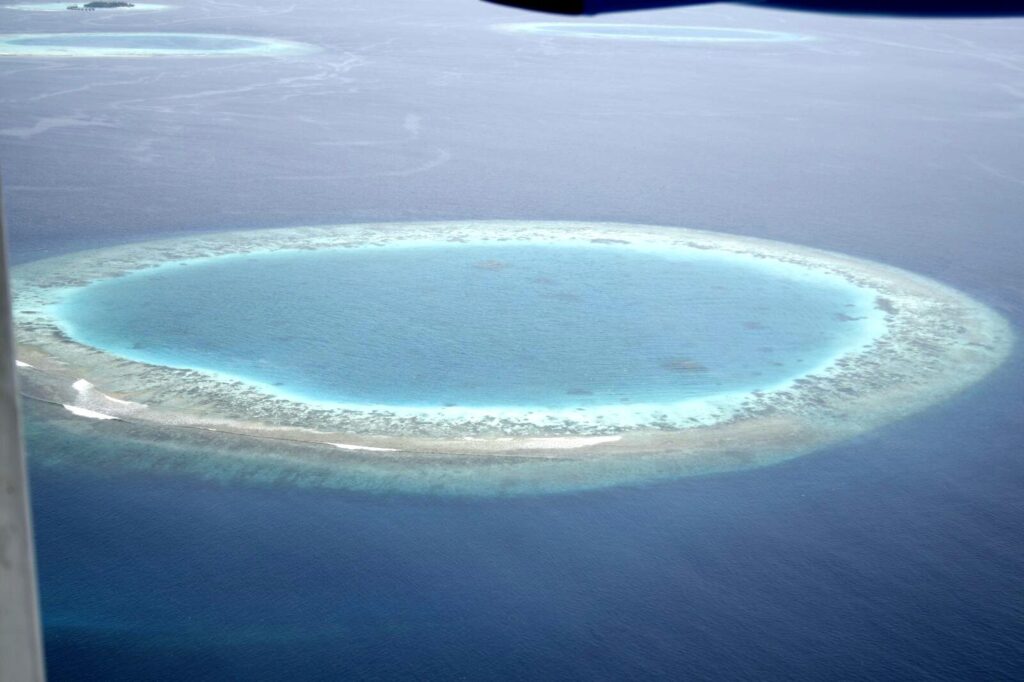
One thing the table can’t capture: the Maldives is a string of 26 atolls spread over nearly 900 km north to south, so rain and wind don’t arrive everywhere at once. A grey afternoon in the south can coincide with blue sky in the north. Forecasts for “the Maldives” as a whole are close to meaningless — what matters is your atoll, which we’ll come back to.
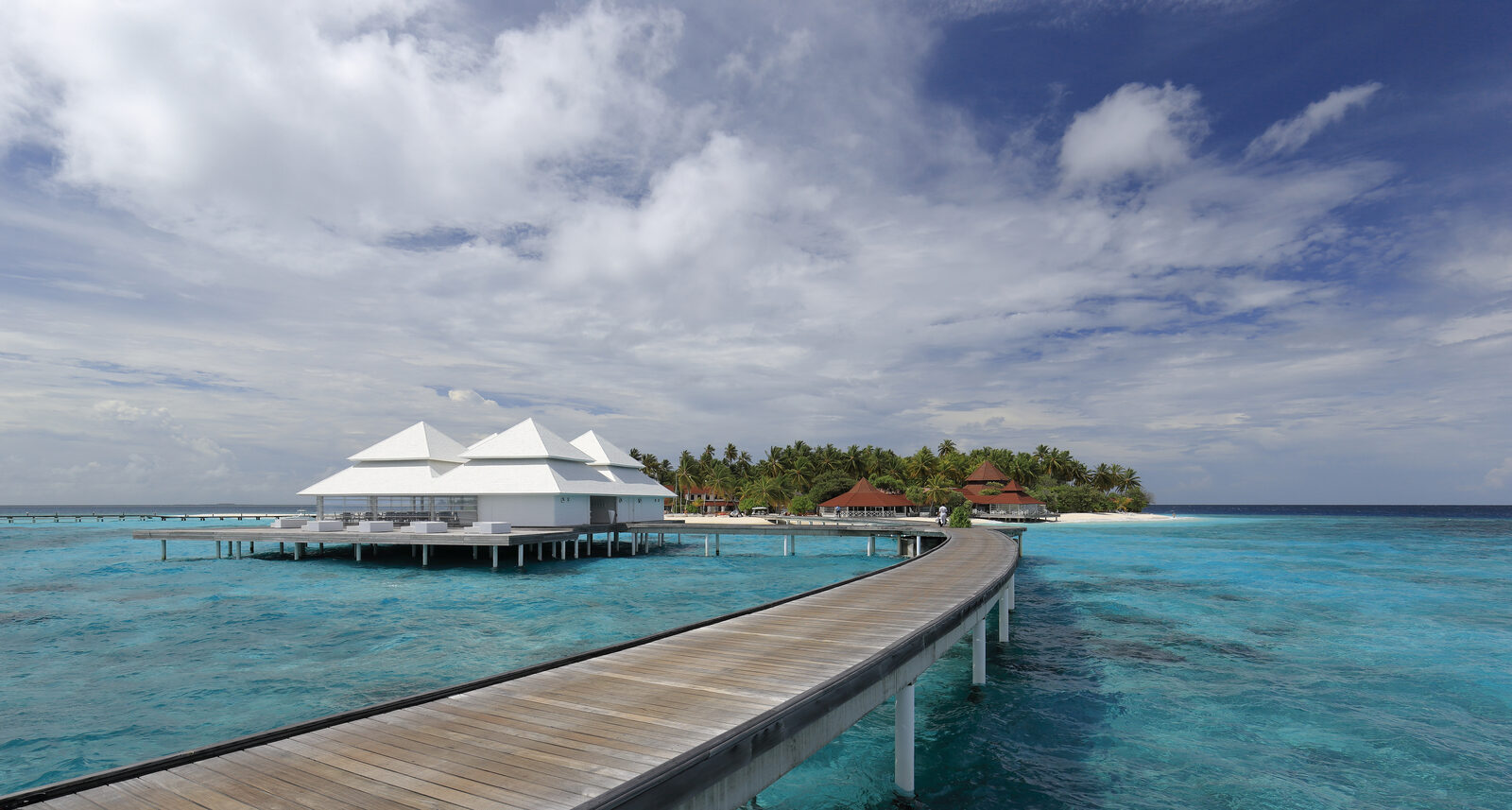
Dry season (Nov–Apr): the best — and priciest — months
The northeast monsoon brings the postcard Maldives. From November the skies clear, winds drop, and the lagoons turn glassy. January and February are typically the driest, sunniest months of all — if you want flat water for snorkelling straight off your villa steps and a golden sunset every evening, this is it.
The catch is everyone else wants the same thing. Rates climb through November and peak over Christmas and New Year — the single most expensive week of the year, often with minimum stays and festive supplements. Prices stay high through February, then ease in March and April. April is a quiet sweet spot: still largely dry and calm, warmer and more humid, but with smaller crowds and softening rates before the wet season sets in.
- Best for: honeymoons, first-timers, families wanting reliable beach weather, flat-water snorkelling and diving with great visibility.
- Watch out for: the highest prices of the year, especially late December; book popular resorts six to nine months ahead.
Wet season (May–Oct): value, surf & marine life
“Wet season” sounds worse than it is. The southwest monsoon brings more cloud, wind and heavier showers — June is generally the wettest month — but rain here tends to come in short, dramatic bursts rather than all-day greyness. Plenty of days you’ll get a heavy half-hour downpour then bright sun again, or it rains overnight and clears by breakfast. It stays warm throughout.
What you get in return is real: rates can fall by a third or more versus peak, overwater villas that are normally out of reach become bookable, and the ocean comes alive. The southwest monsoon pushes nutrient-rich water through the atolls — exactly what draws manta rays and whale sharks, plus the swell surfers chase. September and October can be the most unsettled and occasionally stormy, so they’re the gamble months; May and July balance value and decent weather. August coincides with northern-hemisphere school holidays, the one wet-season month where families push prices back up.
- Best for: budget-conscious luxury, surfers, divers chasing mantas and whale sharks, anyone who’d rather have the resort half-empty.
- Watch out for: choppier crossings, more cloud, and Sept–Oct being the least predictable stretch.
Best time to visit the Maldives for…
Honeymoon
For a honeymoon, aim for the dry season — November to April — when calm seas and reliable sunsets do the romantic heavy lifting. February is the safest bet for weather. If you’d rather stretch the budget to a longer stay or a fancier resort, late April or early May give you most of the dry-season feel for noticeably less, with fewer couples around.
Diving & snorkelling
Visibility is best in the dry season (best Dec–April), when the water is clearest and conditions easiest for new divers and casual snorkellers. But the wet season trades a little clarity for far more big animals — mantas, whale sharks and feeding aggregations. Channel and “thila” dives are productive year-round; your resort’s house reef is enjoyable whenever you go.
Manta rays & whale sharks
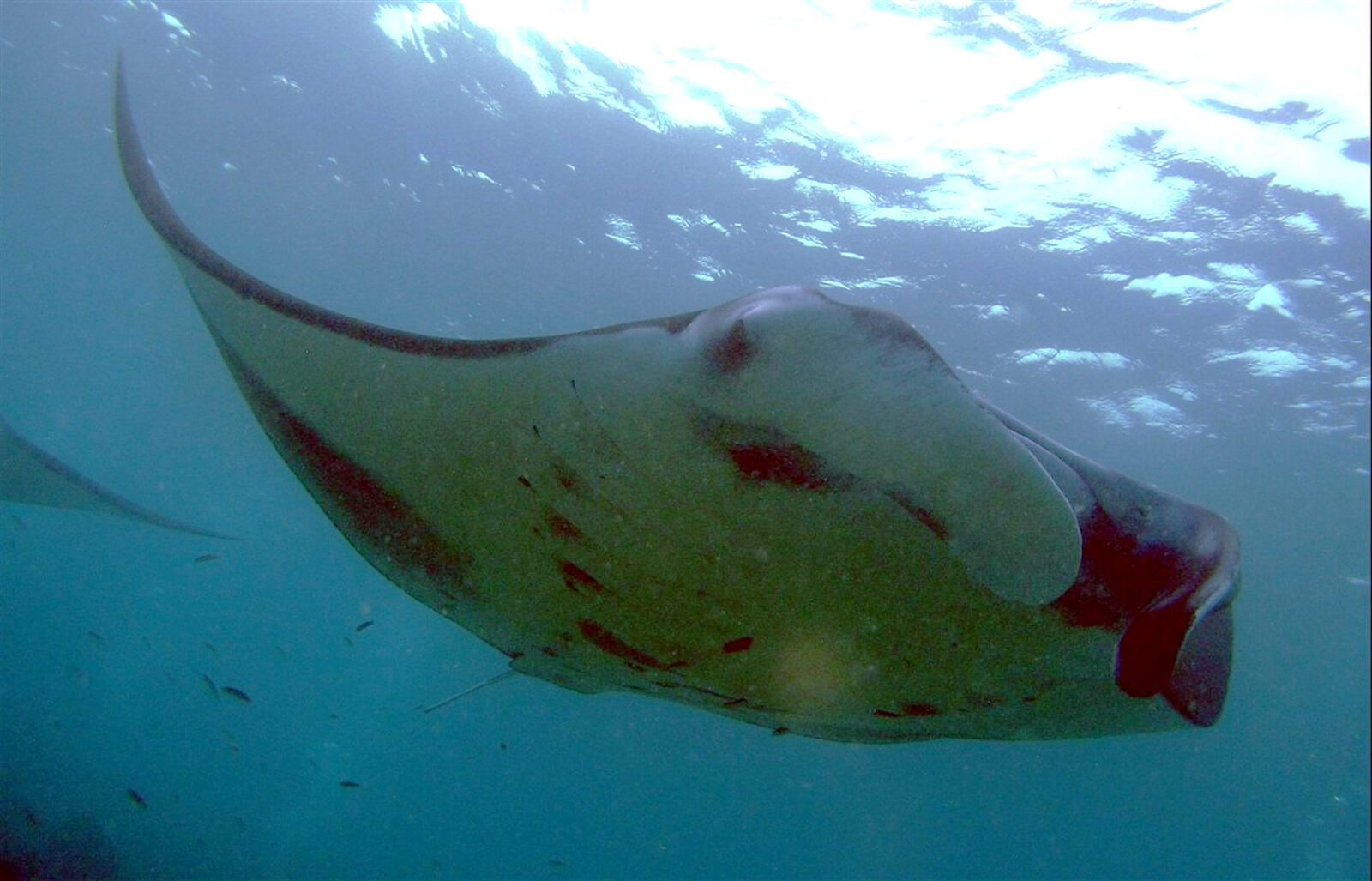
This is the wet season’s headline act. Manta season in the Maldives runs roughly May to November, with the famous Hanifaru Bay in Baa Atoll at its best around June to October — dozens, sometimes over a hundred, mantas funnel in to feed when currents concentrate plankton, and whale sharks often join them. Hanifaru is snorkel-only inside a protected marine area, so you don’t need to be a certified diver. If swimming alongside mantas is the whole point of your trip, base yourself in or near Baa Atoll and travel in the second half of the year.
Surfing
Surf season runs roughly March to October, with the most consistent, powerful swell from June to August. North and Central Atolls (the easiest to reach from Malé) work best across this window; the southern atolls have their own quality breaks. The dry-season months are smaller and mellower — fine for beginners, less exciting for experienced surfers.
Budget
The cheapest time to visit the Maldives is the heart of the wet season, May to September (June is usually the lowest). You’ll accept more cloud and the occasional downpour, but the savings on overwater villas and packages are substantial, and the islands are blissfully quiet. Avoid the August school-holiday bump if you can.
A note on the two monsoons & atolls
Because the Maldives stretches so far north to south, the two monsoons don’t hit every atoll the same way or at the same time. The southern atolls generally get more wet-season rain than the north, and a passing system can soak one part of the country while another stays sunny. This is why “what’s the weather in the Maldives?” is the wrong question — the right one is “what’s the weather in my atoll, in my month?”
Practically, your resort’s location matters as much as your dates. For a wet-season value trip we’ll often steer you toward atolls that fare better in those months, or pair the dates with marine-life sites that are actually better then. One cultural note: Ramadan shifts each year, and during it some local islands and a few resort facilities run reduced hours. It rarely affects a private-island resort stay, but it’s worth checking if you’re planning a guesthouse trip on a local island.
How to get to your resort & how many days
You’ll fly into Velana International Airport (MLE) near Malé, then continue to your island by speedboat, domestic flight or seaplane depending on distance. Seaplanes only fly in daylight, so a late landing can affect connections — worth factoring into your flight choice. We break the options, timings and costs down in our Maldives airport transfers guide.
On length of stay: five nights is the comfortable minimum to actually unwind after the travel and transfer; seven is the sweet spot for a honeymoon or diving trip. Three or four nights works if you’re tacking the Maldives onto another trip, but a chunk of that goes to transfers.
Frequently asked questions
What is the best month to visit the Maldives?
February is the standout — it’s typically the driest, sunniest month with the calmest seas. January and March are nearly as good. If you want great weather without peak crowds and prices, late April is an excellent shoulder-season pick.
What is the cheapest time to visit the Maldives?
May to September, in the wet season, is cheapest — June usually has the lowest rates. Resort prices can drop by a third or more versus the December–February peak, though you accept more cloud and occasional showers. Skip August if you want the lowest prices, as school holidays push rates back up.
Is the Maldives worth visiting in the rainy season?
Yes, for the right traveller. Wet-season rain usually comes in short bursts with plenty of sun in between, and it stays warm. You get big discounts, quiet islands, and the best marine life of the year — mantas, whale sharks and surf. September and October are the least predictable months, so they carry the most weather risk.
When is the best time for a Maldives honeymoon?
The dry season, November to April, gives you the calm, sunny, sunset-every-evening conditions honeymooners want, with February the safest for weather. For better value with most of the same feel, look at late April to early May, when crowds thin and rates soften.
When is the best time for snorkelling and seeing manta rays?
For the clearest water and easiest conditions, snorkel in the dry season (December–April). For manta rays and whale sharks, go in the wet season — manta season runs about May to November, peaking at Hanifaru Bay in Baa Atoll around June to October. Base yourself near Baa Atoll for the best access.
How warm is the water in the Maldives?
The sea stays warm all year, roughly 27–29°C (around 81–84°F), so you can swim and snorkel comfortably without a wetsuit in any month. Air temperatures are similarly steady at about 28–31°C year-round.
Plan your Maldives trip
Once you’ve picked your window, the next decision — which atoll and resort actually fit your dates, budget and wish list — is where a local operator earns its keep. As a Maldives DMC, we match the season to the right island, line up transfers, and handle the on-the-ground detail so your trip runs without snags. Tell us your dates and what you’re after and we’ll build you a tailored plan — get in touch with our team.
Hero photo: Martin Falbisoner, CC BY-SA 4.0, via Wikimedia Commons.

Travel DMC Group
Travel DMC Group is a B2B destination management company handling ground services — hotels, transfers, guided tours, MICE and group logistics — across Asia, the Middle East and the Caucasus. These guides are written by our in-house operations and product team from first-hand experience running group departures.
Recommended Posts

How Many Days Do You Need in the Maldives? (2026 Guide)
June 22, 2026

What Is SIC in Travel? SIC Full Form, Meaning and How SIC Transfers Work
September 9, 2026