

How DMC Net Rates Work: FIT vs GIT and How Agents Make Margin
“Net rate” is the term that decides whether a tour operator makes money on a programme — and it is the single thing agents most often ask us to explain plainly. When you book a hotel, transfer or excursion through a DMC, you are not paying the price a member of the public sees. You are paying a contracted net rate, and the gap between that and what you sell to your client is your margin. This guide breaks down how net rates actually work, why they sit well below public prices, the difference between FIT and group rates, and how agents build their markup on top.
What “net rate” means
A net rate is a confidential, agent-only price with no commission built in. It is the figure a DMC quotes you after contracting the supplier — the hotel, the coach company, the attraction — at volume. You then add your own markup and sell to the client at a higher, public-facing price. The difference is yours to keep.
That is the core distinction from a commissionable or published rate, where the price is fixed by the supplier and you earn a set commission (often 10%). With a net rate you control the sell price, so you control the margin — typically far more than a commission model returns. If you want the wider context on how a ground operator fits into all this, our explainer on what a DMC is covers the full picture.
Why net rates are 20–40% below public prices
The discount isn’t a favour — it’s a function of how a DMC buys. Three mechanics drive it:
- Volume. A DMC moves far more room-nights, seats and tickets through a supplier than any single agent could, and contracts a rate that reflects that volume.
- Allotments and commitment. DMCs hold blocks of rooms and guaranteed business with key suppliers, which earns a better rate than ad-hoc booking.
- Local contracting. Rates are negotiated on the ground, in-market, often in local currency and relationships built over years — not pulled from a booking engine.
The practical result is that DMC net rates commonly sit 20–40% below what an agent would pay booking the same components directly. That spread is what makes using a DMC profitable rather than just convenient.

FIT vs GIT: the two rate worlds
Net rates come in two flavours, and they price differently:
- FIT (Free Independent Traveller) — rates for individuals and small parties. More flexible, booked closer to travel, priced per the contracted FIT tariff. Best for tailor-made and small bespoke trips.
- GIT (Group Inclusive Tour) — rates for groups, usually from around 10–15 paying passengers up. Group rates are keener per head because of the volume, and often include value the FIT tariff doesn’t — a free place for a tour leader, complimentary rooming for a driver/guide, or inclusions negotiated for the block.
The reason agents quote groups through a DMC is precisely this: a GIT net rate plus the group inclusions (free leader places, coordinated logistics, one point of contact) is hard to replicate by assembling components individually. Our destination pages set out what we contract in each market.
How agents build margin on top
Once you hold the net rate, your sell price is your decision. Agents typically work in one of two ways:
- Markup (most common on net rates). You add a percentage — frequently in the 15–30% range, depending on market and product — to the net cost and quote the client a single inclusive price. The client never sees the breakdown.
- Commission model. On commissionable rates you earn a fixed cut (often ~10%) of a price the supplier controls. Simpler, but usually lower-yielding than marking up a net rate.
Because net rates are confidential, the golden rule is that they are never shown to the end client — you quote your gross sell price only. A DMC quotes you net; what you do above that is your business and your margin.
What moves a net rate
Net rates aren’t static. When we quote a firm figure, these are the variables behind it:
| Factor | Effect on the net rate |
|---|---|
| Group size | More pax → keener per-head rate and more inclusions |
| Season | Peak dates and events push rates up and reduce availability |
| Lead time | Early commitment secures allotment and better pricing |
| Hotel tier & inclusions | Star rating, meals and transfers all sit inside the net figure |
| Currency | Local-currency contracting can move the rate with exchange shifts |
This is why a DMC quotes a firm net figure only once it has your dates, pax and tier — the same itinerary can carry very different net costs across seasons and group sizes. Choosing the right partner to quote it matters; our guide on how to choose a DMC covers what to check before you contract.
Frequently asked questions
What is a net rate in travel?
A confidential, agent-only price with no commission included. You add your own markup and sell to the client at a higher price; the difference is your margin.
How much cheaper are DMC net rates than booking direct?
Commonly 20–40% below public prices, because DMCs contract suppliers at volume, hold allotments, and negotiate locally.
What’s the difference between FIT and GIT rates?
FIT rates are for individuals and small parties; GIT (group) rates apply from roughly 10–15 passengers and are keener per head, often with inclusions like free tour-leader places.
Can I show the net rate to my client?
No. Net rates are confidential and agent-only. You quote your gross sell price; the net cost stays between you and the DMC.
How do I make margin using a DMC?
Add a markup (often 15–30%) to the net rate and sell at the inclusive price. Because you control the sell price on a net rate, the yield is usually higher than a fixed-commission model.
Want net rates for your next programme?
We quote agents net across every destination we handle — FIT and group, with the inclusions that make a programme work. Send us your dates, passenger numbers and preferred tier, and we’ll come back with a firm net figure you can build your margin on. Get in touch or browse our DMC destinations to see where we operate.
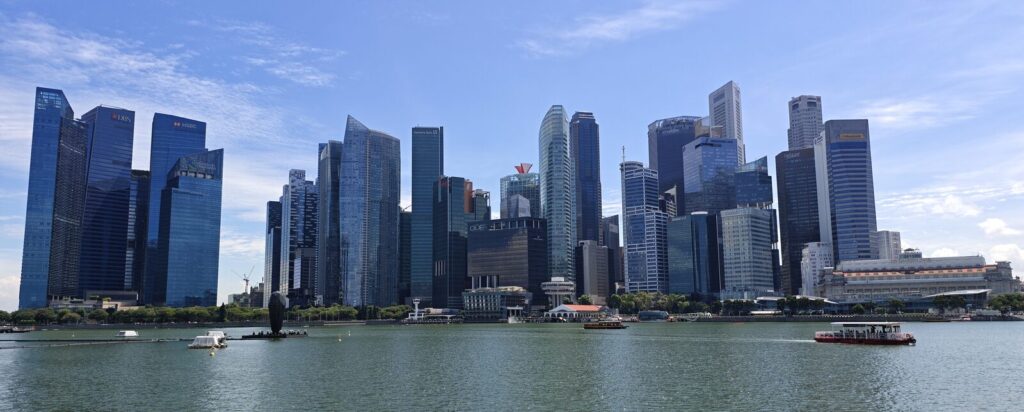
Inline image: Basile Morin, CC BY-SA 4.0, via Wikimedia Commons.

Travel DMC Group
Travel DMC Group is a B2B destination management company handling ground services — hotels, transfers, guided tours, MICE and group logistics — across Asia, the Middle East and the Caucasus. These guides are written by our in-house operations and product team from first-hand experience running group departures.
Recommended Posts
How to Check an AI-Built Itinerary Before You Sell It
October 20, 2026