

Thailand Visa-Free Stay for Indians Cut to 30 Days: What Agents Need to Change
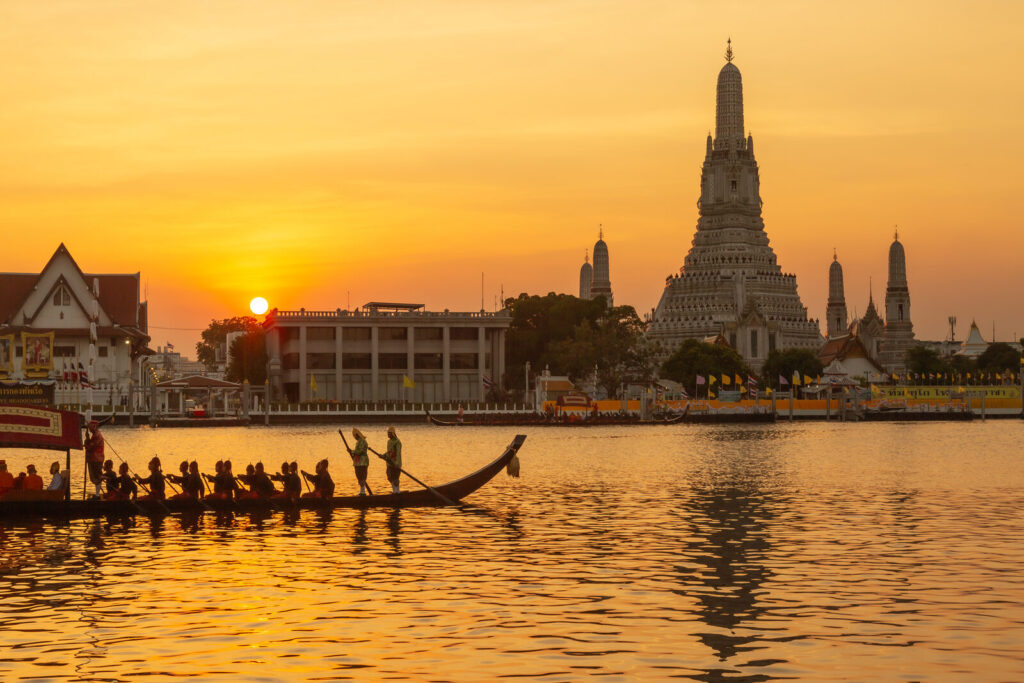
Since 15 September 2026, Indian tourists on ordinary passports can stay in Thailand without a visa for up to 30 days. Until then the visa-free stay was 60 days.
Two things haven’t changed: every traveller still files a Thailand Digital Arrival Card (TDAC) within 72 hours before arrival, and the Indian Embassy in Bangkok tells travellers to carry THB 20,000 in cash per person with confirmed return tickets and hotel bookings. For a normal 4 to 10 night package the itinerary doesn’t need to change. The paperwork is where trips now go wrong.
The 60-day rule came in during July 2024 as a tourism stimulus and was easy to sell around: nobody’s holiday came close to it. Halving it to 30 days sounds dramatic, and a fair amount of the coverage made it sound that way. For most of what travel agents in India actually sell to Thailand, it is a non-event. For a few specific trips it matters a lot, and those are worth catching before the client is standing at the immigration counter at Suvarnabhumi.
The rules from 15 September 2026
Thailand’s Ministry of Interior set the new limit as part of a wider reset of its visa exemption list. Cabinet approved it in the summer, and the Indian Embassy in Bangkok published the practical conditions for Indian travellers ahead of the 15 September start. Here is what applies now:
| Item | Rule now | What it means for your booking |
|---|---|---|
| Visa-free stay | Up to 30 days for tourism, Indian ordinary passports (was 60) | Nothing for packages under a month. Anything longer needs a tourist visa before travel |
| Arrival card | TDAC for every traveller, filed online within 72 hours before arrival | Can’t be done weeks ahead. On a multi-country trip the window often opens mid-tour |
| Cash | Carry THB 20,000 per person, per the embassy advisory | A family of four should hold THB 80,000 or the equivalent. Tell clients before they pack, not at the airport |
| Bookings | Confirmed return or onward ticket, hotel bookings and a clear itinerary | Give every traveller a printed or saved copy of the vouchers, not just the tour leader |
| Passport | Valid for at least six months from arrival | Check at the time of booking, not the week before |
| Purpose | Tourism. Anyone with a job offer in Thailand should not enter on the exemption | Work of any kind needs the right visa |
Who it actually affects
Packages under a month: not affected. A Bangkok and Pattaya trip of four or five nights, a Phuket and Krabi honeymoon, a nine-night Singapore, Malaysia and Thailand circuit all sit comfortably inside 30 days. Sell them exactly as before.
Long stays: affected. Parents visiting a son or daughter working in Bangkok, retired couples wintering in Hua Hin or Chiang Mai, and anyone who used 60 days plus an extension for a long break now needs a tourist visa through Thailand’s official e-Visa system before they fly. These trips are often booked months ahead, so check your forward bookings for anything over 30 days in Thailand.
Loops that re-enter Thailand: check first. Bangkok, then Siem Reap or Vientiane, then back into Thailand for the beach is a popular shape. Each entry is assessed on its own, and frequent short entries draw questions at the counter. Land borders have also long had tighter limits than airports for visa-exempt visitors. If a loop re-enters Thailand by road, ask us for the current land-border position before you sell it.
MICE groups: check the purpose. An incentive trip is tourism. If anyone in a conference group is going to work in Thailand, even for a few days on a stand or a project, they need the right visa rather than the exemption.
What it means for Singapore, Malaysia and Thailand combos
Thirty days covers any version of the Singapore, Malaysia and Thailand circuit. What these trips need is someone who owns the arrival cards, because each country has its own short window and two of the three open while the group is already travelling. On the classic nine-night routing it looks like this:
| Day | Arrive in | Card | Filing window | Where the group is |
|---|---|---|---|---|
| Day 1 | Singapore, by air | SG Arrival Card | From 3 days before, counting the arrival day | Still in India |
| Day 4 | Malaysia, by coach | MDAC | Within 3 days before arrival | In Singapore |
| Day 6 | Thailand, by air | TDAC | Within 72 hours before arrival | In Singapore or Kuala Lumpur |
Left to the travellers, those mid-trip cards get filed on a phone in a hotel lobby, or not at all. Decide who does it before departure: the tour leader with the passport scans, or your back office filing for the whole group on the right day. Put it on the tour leader’s day sheet either way.
The document pack for Thai immigration
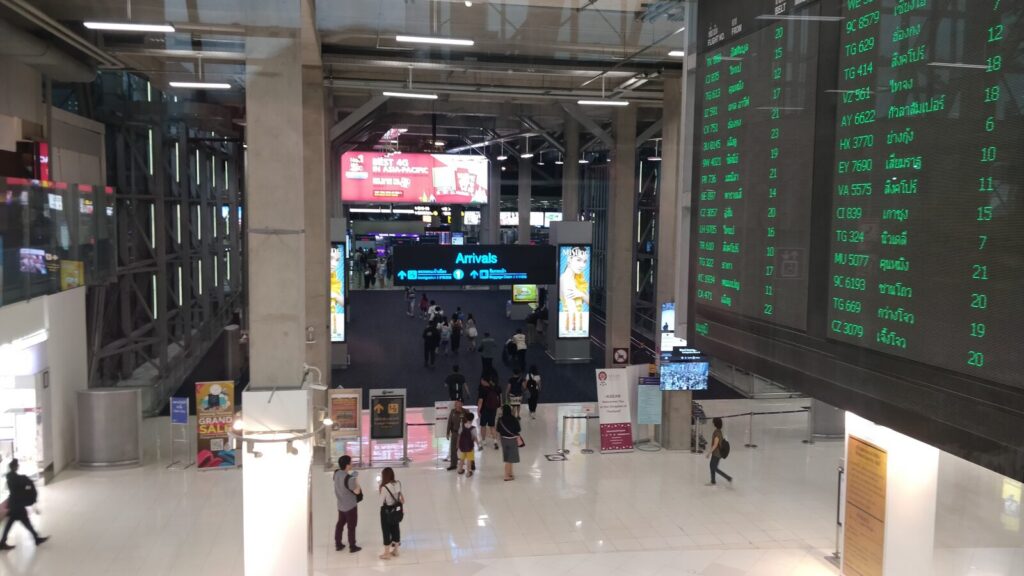
Officers don’t ask every traveller for every item, but a group is only as fast as its slowest passenger. Each person should be able to show:
- A passport valid for at least six months from the date of arrival.
- The TDAC confirmation, saved on the phone and ideally printed.
- The return or onward ticket out of Thailand.
- Hotel confirmations covering every night in Thailand.
- THB 20,000 in cash, or the equivalent, per person.
- A day-by-day itinerary. For groups, the tour leader carries the master copy and each traveller a summary.
Why AI answers still say 60 days
A large share of what is published about Thailand visas was written between July 2024 and mid-2026, when 60 days was correct. AI assistants learn from that material, and an answer built from it will repeat the old number with complete confidence. Expect clients to arrive with it. When a rule has a start date, check the date on the source as well as the rule. We wrote more about this in how to check an AI-built itinerary before you sell it.
Frequently Asked Questions
How long can Indians stay in Thailand without a visa now?
Up to 30 days for tourism, for holders of ordinary Indian passports. The limit applies from 15 September 2026 and replaces the 60-day stay that had applied since July 2024.
Can the 30 days be extended inside Thailand?
Thai immigration offices have historically allowed a one-time extension for visa-exempt visitors at the officer’s discretion. Treat it as a fallback, not a plan: if a client needs more than 30 days, apply for a tourist visa before travel.
Is the TDAC free?
Yes, on the official Thai immigration website. Paid look-alike sites exist and charge a fee for the same form, so send clients the official link rather than letting them search for it.
Does this change anything for Singapore or Malaysia?
No. Singapore still requires a visa for Indian passport holders, and Malaysia allows Indian citizens up to 30 days visa-free under an arrangement that runs to 31 December 2026. Both also require an online arrival card.
What should I tell clients who booked before the change?
If their time in Thailand is under 30 days, nothing changes. If it is longer, they need a Thai tourist visa through the official e-Visa system before they fly, or the itinerary needs to be shortened.
Selling Thailand with Singapore or Malaysia?
We handle all three countries on the ground. Send dates, pax and hotel category and you’ll get a costed programme back on net rates, with the arrival-card timing worked out.
- News On AIR (All India Radio), “Thailand allows visa-free entry and stay up to 30 days for Indian tourists”, 9 September 2026, relaying the Indian Embassy in Bangkok’s advisory: newsonair.gov.in
- KPMG, “Thailand: Cabinet approves revised visa exemption and visa on arrival rules”, GMS Flash Alert 2026-209, 10 August 2026: kpmg.com
- Immigration and Checkpoints Authority, SG Arrival Card: ica.gov.sg

Travel DMC Group
Travel DMC Group is a B2B destination management company handling ground services — hotels, transfers, guided tours, MICE and group logistics — across Asia, the Middle East and the Caucasus. These guides are written by our in-house operations and product team from first-hand experience running group departures.
Recommended Posts
How to Check an AI-Built Itinerary Before You Sell It
October 20, 2026

What Is SIC in Travel? SIC Full Form, Meaning and How SIC Transfers Work
September 9, 2026