

What Is SIC in Travel? SIC Full Form, Meaning and How SIC Transfers Work

SIC stands for “Seat-in-Coach” (sometimes written Seat in Coach or Sharing in Coach). In travel and tourism, a service sold on SIC basis means you are buying individual seats on a shared vehicle that also carries other travellers, running to a fixed route and a fixed schedule. The opposite is a private or PVT service, where the vehicle is exclusively yours. SIC is priced per person; private is priced per vehicle. That single difference drives almost everything else: cost, pickup timing, journey length and flexibility.
We are a Singapore-based DMC and we quote both SIC and private services every day across Asia, the Middle East and Europe. This covers what the abbreviation means, what “on SIC basis” actually commits you to on a quotation, how a SIC transfer works hour by hour, and when paying for a private vehicle is the better decision.
SIC full form in travel and tourism
The SIC full form is “Seat-in-Coach.” It is a business-to-business term that came out of the tour-operating trade, which is why travellers usually meet it for the first time on a quotation or a voucher rather than in everyday conversation. You will see it written several ways, all meaning the same thing:
- SIC — Seat-in-Coach
- SIC basis — the service is being quoted and operated on a shared basis
- SIC transfer — a shared airport, hotel or port transfer
- SIC tour — a shared sightseeing tour on a set departure schedule
- Seat-in-Bus / SIB — the same thing, less common wording
A common point of confusion: SIC has nothing to do with the Latin editorial [sic], and nothing to do with the “Standard Industrial Classification” code used in business registration. In a travel context it always means a shared, seat-by-seat service.
What “on SIC basis” means on a quotation
When a DMC or tour operator quotes a service on SIC basis, they are committing to a seat for each passenger, not to a vehicle, a departure time, or a direct route. In practice, accepting a SIC quote means accepting these conditions:
- A pickup window, not a pickup time. Vouchers typically read something like “0845–0915.” The coach arrives somewhere inside that window.
- Multiple stops. The vehicle collects from several hotels before heading to the destination, so the journey takes longer than a direct run.
- Designated pickup points. Hotels inside the operator’s central zone get door pickup. Hotels outside it require you to meet the coach at a nearby listed point.
- A minimum-numbers clause. SIC tours can be rescheduled or cancelled if too few passengers book that departure.
- Fixed inclusions. The route, stops and duration are set. You cannot add a detour or change the order.
- Luggage limits. Usually one large bag plus one piece of hand luggage per paying seat.
None of this is a catch. It is simply what makes the price possible. The cost of the coach, driver and fuel is divided across every seat sold, which is why a SIC transfer can be a fraction of the private rate for one or two people.
How a SIC transfer works, step by step
- Booking. You book per person. Children usually occupy a seat and are charged; infants on lap are often free but rarely get a child seat.
- Voucher. You receive a voucher showing the pickup window, the pickup point and a local operations number.
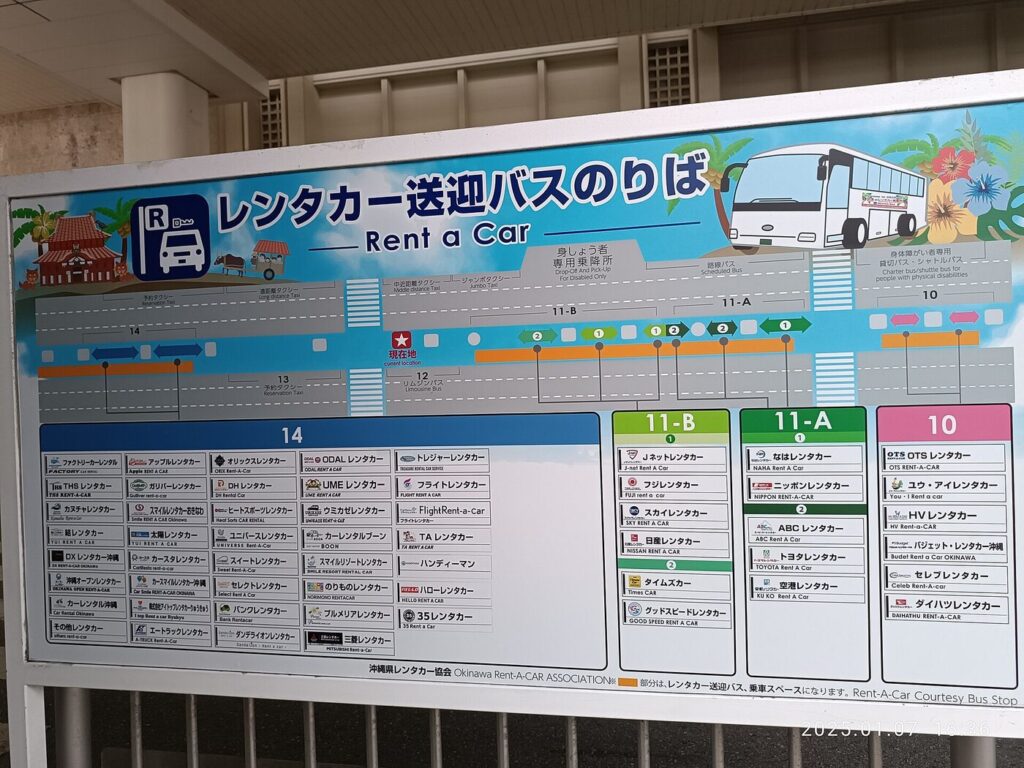
- Arrival transfers. After clearing immigration you meet a representative at a designated meeting point. The coach waits to consolidate passengers from several flights. That wait is normal, and it is the main reason arrival SIC takes longer than a taxi.
- Departure transfers. Pickup is scheduled well ahead of your flight to allow for the other hotel stops on the run.
- The journey. The coach works through its hotel list. Your hotel may be first on or last off; neither is guaranteed.
SIC vs private transfer, side by side
| SIC (Seat-in-Coach) | Private (PVT) | |
|---|---|---|
| Priced by | Per person | Per vehicle |
| Timing | Fixed schedule, pickup window | Your choice, exact time |
| Route | Multiple hotel stops | Direct |
| Typical airport run | 60–120 min with stops | Direct driving time |
| Waiting on arrival | Consolidates several flights | Meets your flight |
| Flight-delay tolerance | Low — miss it and you rebook | High — driver tracks the flight |
| Luggage | Limited per seat | Vehicle capacity |
| Child seats | Rarely available | Can be requested |
| Best for | 1–3 travellers, central hotels, daytime | Families, groups of 4+, late arrivals, remote hotels |
The crossover point matters more than the headline rate. Because SIC multiplies by headcount and private does not, a private car often becomes the cheaper option at around four passengers. It is almost always the better one for a family with young children, or a flight landing after midnight.
SIC tours vs SIC transfers
A SIC transfer moves you between two points: airport to hotel, hotel to port. A SIC tour is a shared sightseeing product: a city tour or day excursion on a published departure schedule with a guide, sold seat by seat. Both share the same economics, but SIC tours add one wrinkle worth knowing. A guaranteed departure runs regardless of numbers, while a standard SIC departure may be merged into another date if it is under-subscribed. If your itinerary depends on a specific day, confirm which of the two you have booked.
When SIC is the right choice, and when it is not
Choose SIC when: you are one to three travellers, staying at a mainstream central hotel, arriving and departing at civilised hours, travelling light, and price is the priority. On those trips SIC is excellent value and the extra 30–40 minutes costs you nothing that matters.
Choose private when: you are four or more, travelling with young children or anyone with reduced mobility, landing late at night or on a delay-prone route, staying at a resort outside the central pickup zone, carrying golf bags or excess luggage, or working to a tight connection. The premium buys certainty, and on those trips certainty is the product.
Other travel-trade abbreviations you will meet alongside SIC
| Term | Meaning |
|---|---|
| PVT | Private — exclusive vehicle or service |
| FIT | Free Independent Traveller — individual, non-group booking |
| GIT | Group Inclusive Tour — a group moving on one itinerary |
| DMC | Destination Management Company — the local operator on the ground |
| TRF | Transfer |
| APT / ARR / DEP | Airport / Arrival / Departure |
| HD / FD | Half-day / Full-day tour |
| Net rate | The trade price before the agent’s margin |
| Allocation | Seats or rooms held for an agent to sell |
If DMC is the unfamiliar one on that list, our explainer on what a DMC is and what one actually does covers it in full.
Frequently Asked Questions
What is the full form of SIC in travel?
SIC stands for Seat-in-Coach. It means a shared service where you buy individual seats on a vehicle carrying other travellers, rather than hiring the whole vehicle privately.
What does “on SIC basis” mean?
It means the service is quoted and operated on a shared, seat-by-seat basis. You are guaranteed a seat rather than a vehicle, and you accept a fixed schedule, a pickup window instead of an exact time, and multiple hotel stops along the route.
Is a SIC transfer cheaper than a private transfer?
For one to three passengers, usually yes, because the vehicle cost is split across every seat sold. SIC is priced per person and private per vehicle, so the saving shrinks as your group grows. At around four passengers a private vehicle is often the same price or cheaper.
How long does a SIC transfer take?
Expect longer than the direct driving time, typically 60 to 120 minutes on an airport run. The coach consolidates passengers from several flights on arrival and stops at several hotels en route, so your hotel may be first or last on the list.
What is the difference between a SIC tour and a private tour?
A SIC tour follows a published schedule and fixed itinerary shared with other travellers, sold per seat. A private tour runs only for your party, so you choose the departure time and can adjust the route, at a per-vehicle price.
What happens if my flight is delayed and I miss my SIC transfer?
SIC departures run to a schedule and generally cannot wait for a delayed flight, so a missed transfer usually has to be rebooked on the next available departure or replaced with a paid private transfer. If your arrival is late at night or on a route prone to delays, book private from the start.
Can I get a child seat on a SIC transfer?
Rarely. Shared coaches do not normally carry child or infant seats, and fitting one is not usually possible on a scheduled multi-stop run. Families travelling with young children should book a private vehicle and request the seat in advance.
Booking SIC and private services through a DMC
Travel agents and tour operators book both SIC and private services on net rates through a destination management company, which holds the vehicles, guides and schedules locally. Our published SIC and private transfer times and conditions set out the operating windows and pickup rules we work to, and our Singapore shared transfer page covers that market in detail.
If you are an agent looking for net rates on transfers, tours and land packages across Singapore, Malaysia, Thailand, Dubai and beyond, get in touch with our team and we will send a full tariff.

Travel DMC Group
Travel DMC Group is a B2B destination management company handling ground services — hotels, transfers, guided tours, MICE and group logistics — across Asia, the Middle East and the Caucasus. These guides are written by our in-house operations and product team from first-hand experience running group departures.
Recommended Posts
How to Check an AI-Built Itinerary Before You Sell It
October 20, 2026