

Best Time to Visit Vietnam: A Month-by-Month Guide (2026)
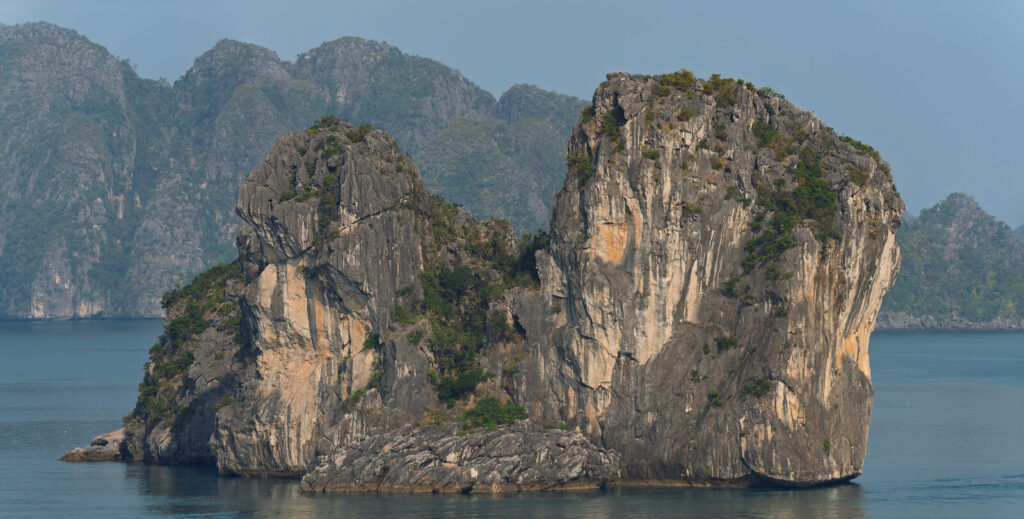
The honest answer: there’s no single best time to visit Vietnam, because the country is so long and narrow that it has three different climate regions — and they’re rarely “good” all at once. If you only care about one area, aim for the dry season there. If you want to travel the whole length of the country in one trip, the two windows where north, centre and south all behave reasonably well are roughly March–April and October–November.
We’re a Singapore-based DMC and we build Vietnam itineraries year-round, so here’s the version we actually tell clients: the north (Hanoi, Halong Bay, Sapa) is best October to April; the centre (Hoi An, Da Nang, Hue) is best February to August; and the south (Ho Chi Minh City, the Mekong, Phu Quoc) is best December to April. Below is the month-by-month detail, the best months for the things people fly in for — Halong cruising, beaches, Sapa trekking, the Mekong — and a heads-up about Tet, the one date that can quietly derail a trip.
Vietnam’s three climate regions
Vietnam stretches more than 1,600 km from the Chinese border to the Gulf of Thailand, so weather in Hanoi has almost nothing to do with weather in Ho Chi Minh City on the same day. Three broad zones matter:
- North (Hanoi, Halong Bay, Sapa): a true four-season climate. Cool, drier weather October–April (best), a genuinely cold, misty spell December–February, then hot and wet May–September.
- Central (Hue, Da Nang, Hoi An): hot and mostly dry February–August (prime beach months), turning wet with a real typhoon risk September–December.
- South (Ho Chi Minh City, Mekong Delta, Phu Quoc): tropical and warm all year, split simply into a dry season December–April (best) and a wet season May–November.
The takeaway: pick your region first, then your month. A trip that covers all three at once is always a compromise — which is exactly why the shoulder months matter.
Vietnam month by month, at a glance
| Month | North | Central | South | Overall |
|---|---|---|---|---|
| January | Cool, dry, misty | Cooler, some rain | Dry, warm — peak | Good (Tet may fall late) |
| February | Cool, dry | Drying out | Dry, warm — peak | Good (Tet often falls here) |
| March | Mild, pleasant | Warm, dry | Hot, dry | Excellent — full-country |
| April | Warm, fresh | Hot, dry | Hottest, dry | Excellent — full-country |
| May | Hot, humid, rain starts | Hot, dry, sunny | Wet season begins | Mixed — centre best |
| June | Hot & wet | Hot, dry beaches | Wet, humid | Centre for beaches |
| July | Hot, wettest | Hot, dry beaches | Wet (short storms) | Centre for beaches |
| August | Hot & wet | Warm, dry tail end | Wet, humid | Centre for beaches |
| September | Easing, warm | Wet, typhoon risk | Wet, humid | North improving |
| October | Cool, dry — superb | Wettest, typhoons | Wet, easing | Good — skip the centre |
| November | Cool, dry, clear | Wet, typhoon tail | Drying out | Good — full-country (centre damp) |
| December | Cold, misty, dry | Cooler, showers | Dry, warm — peak | Good (cold up north) |
Notice how the centre is the odd one out: its best months (June–August) are exactly when the north is hot and wet, and its worst months (Oct–Nov) overlap with the north’s best. That mismatch is the single biggest reason “the best time to visit Vietnam” can’t be answered in one date.
Best time to visit the North (Hanoi, Halong Bay, Sapa)
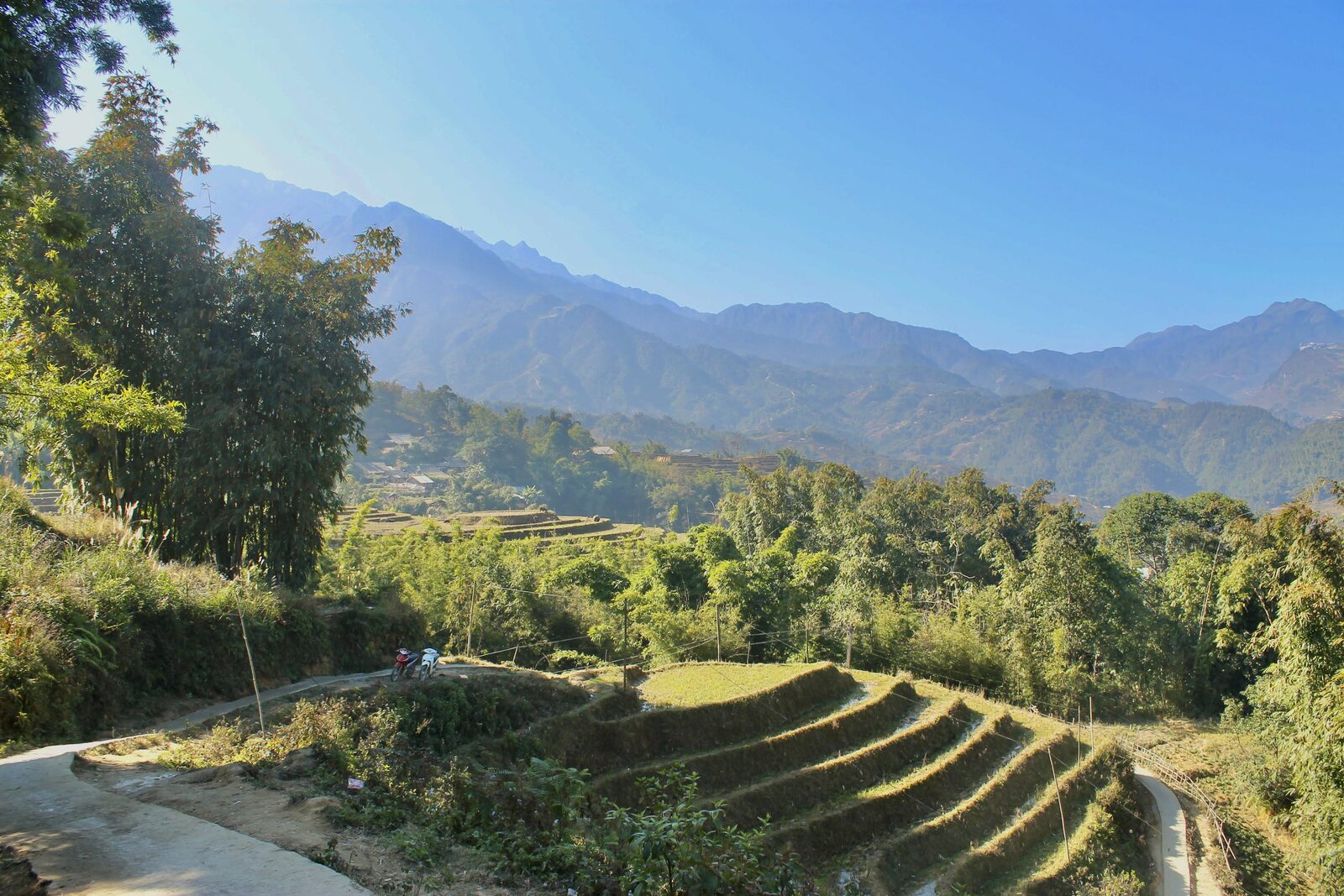
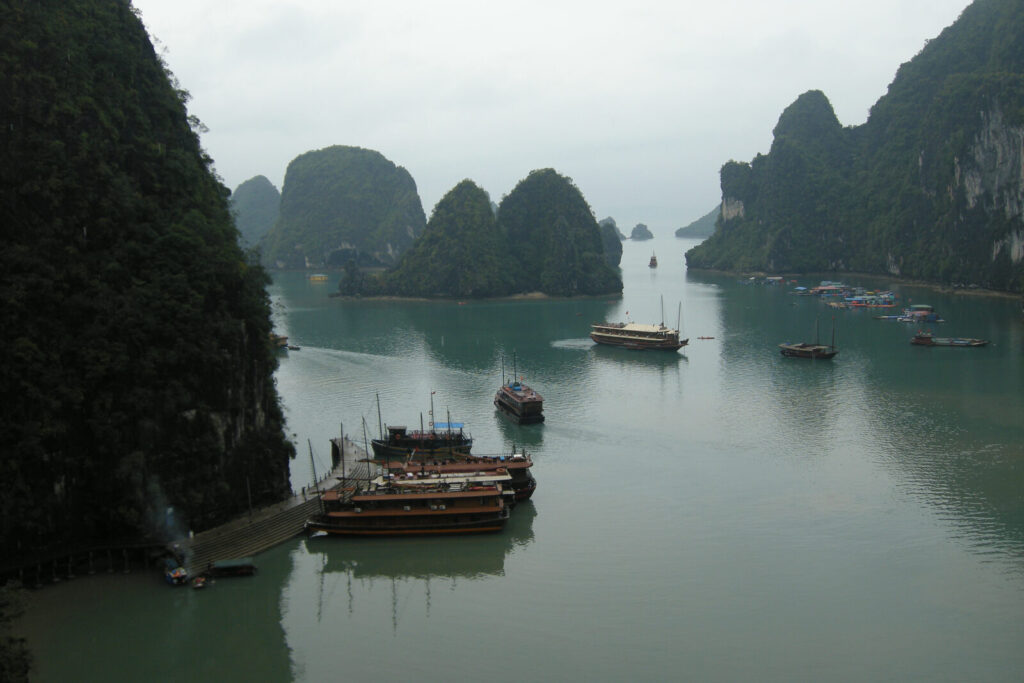
The north has a proper winter, which trips up first-timers expecting tropical heat everywhere. The sweet spot is October to April, but split it in two: October–November brings cool, dry, clear days — the best all-rounder for Hanoi, Halong Bay and trekking. December to February is dry but genuinely cold (Hanoi can drop to 10–15°C, Sapa colder, occasionally near freezing) and often grey and misty, which can flatten Halong Bay’s famous views. March and April warm up nicely before the heat and rain of summer.
From May to September the north is hot, humid and wet, with the heaviest rain in July–August. It’s not a write-off — Sapa’s terraces are lush green and prices soften — but expect sticky days and afternoon downpours.
- Best overall: October–November (cool, dry, clear).
- Best for Halong Bay: October–April; avoid the misty grey of deep winter if views matter.
- Watch out for: December–February cold and haze; summer storms can suspend Halong cruises.
Best time to visit the Centre (Hoi An, Da Nang, Hue)
Central Vietnam runs on a different clock. The dry, hot stretch is February to August, and that’s when Da Nang’s and Hoi An’s beaches are at their best — calm sea, blue skies, hot afternoons (often 33–35°C in midsummer). If sun and swimming on the central coast are the point of your trip, plan for May to August.
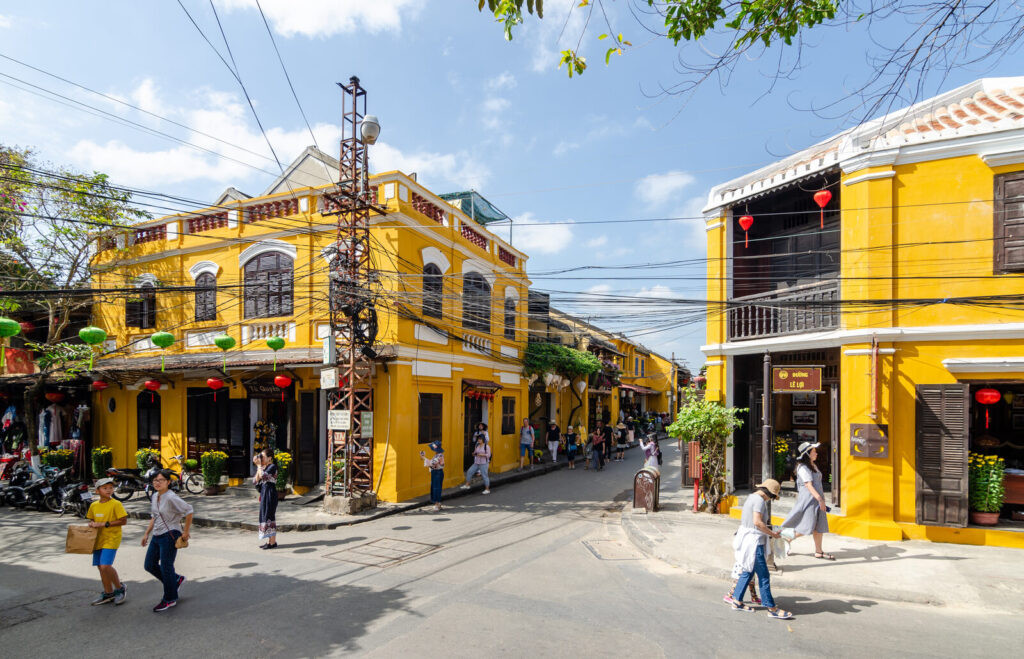
The flip side is the wet season, September to December, which is heavier and more concentrated than the south’s. October and November are the wettest, and this is the stretch with real typhoon risk on the central coast — Hoi An’s old town has flooded more than once. It’s still atmospheric and quiet, but build in flexibility if you travel then.
- Best for beaches: May–August (hot, dry, calm sea).
- Best all-round: February–April (warm, dry, fewer crowds than midsummer).
- Watch out for: September–December rain and typhoons, peaking October–November.
Best time to visit the South (HCMC, Mekong, Phu Quoc)
The south is the simplest: warm all year (roughly 25–35°C), with just two seasons. The dry season, December to April, is the clear best time — sunny, lower humidity, ideal for Ho Chi Minh City, Mekong Delta day trips and Phu Quoc beaches. March and April are the hottest.
The wet season, May to November, brings the southwest monsoon, but don’t picture all-day rain. It usually arrives as a heavy late-afternoon downpour that clears within an hour, leaving the rest of the day usable — and the countryside green. The Mekong is actually at its most photogenic and lush in the wet months. Phu Quoc is the exception to watch: its rougher seas and grey spells run roughly July–September.
- Best overall: December–April (dry, sunny).
- Best for Phu Quoc beaches: November–April.
- Watch out for: July–September is the wettest, with rougher seas off Phu Quoc.
Best overall windows to see the whole country
If your itinerary runs Hanoi to Ho Chi Minh City (or the reverse) in one trip, you’re looking for the weeks when all three regions are at least decent. Two windows stand out:
- March–April: the strongest full-country window. The north is mild and fresh, the centre is warming into beach weather, and the south is dry. Crowds are moderate (outside Tet) and skies are generally clear north to south.
- October–November: the north is at its best (cool, clear) and the south is drying out — but the centre is in its wet, typhoon-prone stretch, so keep Hoi An plans flexible or weight your time toward the ends of the country.
Between the two, March–April is the safer single bet for a first multi-region trip. October–November is excellent if Halong Bay and the north are your priority and you can absorb a damp day or two in the centre.
Tet (Lunar New Year): what to know
Tet is Vietnam’s Lunar New Year and the most important holiday of the year. The date shifts with the lunar calendar but usually falls in late January or February (in 2026 it lands in mid-February). The country effectively shuts down for several days around it: many restaurants, shops, museums and family-run businesses close, domestic transport and flights book out, and prices spike as the whole nation travels home.
It can be a wonderful cultural moment to witness — flower markets, fireworks, temples packed with families — but it’s a frustrating time to need normal services. If your dates fall on Tet, build the itinerary around it deliberately (and book early); if they don’t, just be aware the days either side get busy. We always flag the exact Tet dates when we quote a Vietnam trip.
How many days do you need, and how to get there
For one region, 4–6 days is enough — say Hanoi plus a Halong Bay overnight, or Ho Chi Minh City with a Mekong day trip. To do justice to two regions, plan 8–10 days; for a proper north-to-south sweep including Hoi An, allow 12–14. Domestic flights between Hanoi, Da Nang and Ho Chi Minh City are short (about 1–2 hours) and cheap, which is what makes a multi-region trip realistic inside two weeks.
If you’re organising a group or an incentive programme, the moving parts multiply fast — domestic flights, Halong cruise allocations, Hoi An’s typhoon season, Tet blackout dates. Our Vietnam group-tour planning guide walks through the logistics, and our Vietnam DMC services page covers what we handle on the ground.
Frequently asked questions
What is the best month to visit Vietnam overall?
For a trip covering the whole country, March or April is the best single month — the north is mild, the centre is moving into beach weather, and the south is dry. October and November are also strong, though the central coast is wet and typhoon-prone then.
What is the best time to visit Halong Bay?
October to April, with October–November the sweet spot for cool, clear days and the best visibility. Deep winter (December–February) is dry but can be cold and misty, which dulls the views, and summer storms occasionally suspend cruises.
When is the best time to trek in Sapa?
September to November and March to May. Autumn brings clear skies and golden, harvest-ready rice terraces; spring is green and mild. Avoid the cold, foggy depths of December–February and the heavy rain of June–August, which makes trails slippery.
What is the cheapest time to visit Vietnam?
The wet, low-demand months — broadly May to September — bring the lowest hotel and flight prices nationwide, with the obvious trade-off of more rain and heat. Avoid Tet (late Jan/Feb), when prices spike. Late spring and early autumn offer a good balance of value and reasonable weather.
What is Tet and should I avoid it?
Tet is Vietnamese Lunar New Year, usually in late January or February. Many businesses close, transport books out and prices rise for several days around it. It’s culturally fascinating but logistically tricky — fine if you plan around it, awkward if you don’t realise your dates land on it.
When is the best time for beaches and Hoi An?
For the central coast — Da Nang, Hoi An, Hue — the best beach months are May to August: hot, dry and calm. Avoid September to December, the wet, typhoon-prone season when Hoi An’s old town occasionally floods.
Plan your Vietnam trip
Once you’ve fixed your region and dates, the rest is logistics — and that’s our job. As a Singapore-based DMC we handle Vietnam end to end: Halong cruises, domestic flights, guides, Hoi An and Mekong programmes, and group and incentive travel timed around the weather and Tet. Tell us when and where you want to go and we’ll build it around the best conditions.
Contact our team for a tailored Vietnam itinerary, or explore our Vietnam DMC services to see what we cover on the ground.

Travel DMC Group
Travel DMC Group is a B2B destination management company handling ground services — hotels, transfers, guided tours, MICE and group logistics — across Asia, the Middle East and the Caucasus. These guides are written by our in-house operations and product team from first-hand experience running group departures.
Recommended Posts
How Many Days Do You Need in Vietnam? (2026 Guide)
June 22, 2026

What Is SIC in Travel? SIC Full Form, Meaning and How SIC Transfers Work
September 9, 2026