
How to Plan a Vietnam Group Tour: Costs, Visas & Logistics (Operator’s Guide)
Planning a Vietnam group tour looks simple on a map — Hanoi down to Ho Chi Minh City, a night on Ha Long Bay, a couple of days in Hoi An. In practice, the difference between a smooth departure and a stressful one comes down to the things you can’t see in a brochure: which region is actually dry in the month you’re travelling, how long the e-visas really take, and whether your coach can get near the old town in Hoi An or has to drop 600 metres away.
We handle group departures across the country every week, so this is the guide we wish more agents had before they confirmed dates. It is written for travel agents and tour operators putting groups of 15 to 40 pax on the ground — not for solo backpackers — and it covers the season, the visa rules, real costs, where to actually take a group, two sample itineraries, and the on-ground logistics that decide how a tour feels. New to the model? Start with our explainer on what a DMC is and how it works.
Why run a Vietnam group tour through a DMC
Vietnam is a long, narrow country with three different climates and a domestic travel system that rewards local relationships. A good Vietnam DMC isn’t booking the same hotels you could find online — it is holding group allotments in peak season, sequencing internal flights so you don’t lose half a day to a coach transfer, briefing guides on your group’s pace, and being reachable when a flight slips. That on-ground layer is where margins and reviews are actually won or lost. It also means one contract and one point of contact instead of juggling a hotel, a transport company and three local guides in each city.
The best time to visit Vietnam for groups
There is no single “best time to visit Vietnam” — it depends on how much of the country your itinerary covers. Because the regions don’t share a season, full-length north-to-south tours work best in the shoulder months when all three are reasonable at once:
- North (Hanoi, Ha Long, Sapa): October to April is cool and dry; December and January can be genuinely cold in the far north. June to August is hot and humid with heavy afternoon downpours, and tropical storms can affect Ha Long Bay sailings.
- Central (Hue, Da Nang, Hoi An): February to August is dry and beach-friendly. October to December brings heavy rain and a real risk of flooding in Hoi An’s low-lying old town — plan around it rather than through it.
- South (Ho Chi Minh City, Mekong Delta): December to April is the dry season; May to November is wetter but usually only short, sharp showers that rarely derail a group.
The sweet spots for a whole-country group are February–April and October–November. One firm warning: avoid scheduling a group over Tet (Lunar New Year, late January or February) unless your client specifically wants it. Many businesses close, domestic transport is booked out weeks ahead, and rates spike across the board.
Quick month-by-month read
- Feb–Apr: the strongest all-country window — dry north, dry centre, dry south.
- May–Aug: great for central beaches (Da Nang/Hoi An); hot and wet in the north.
- Sep–Nov: good in the north and south; watch central Vietnam for late-year rain.
- Dec–Jan: dry but cool up north; fine for a south-and-central focus.
Where to take a group in Vietnam
A first-time group itinerary usually strings together a handful of these anchors:
- Hanoi — the atmospheric capital: the Old Quarter, the Temple of Literature, a water-puppet show and superb street food.
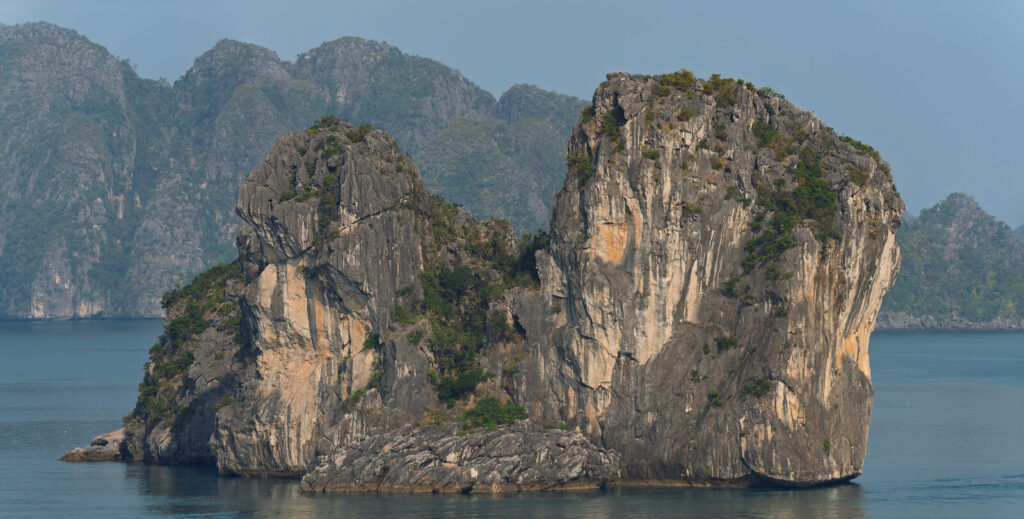
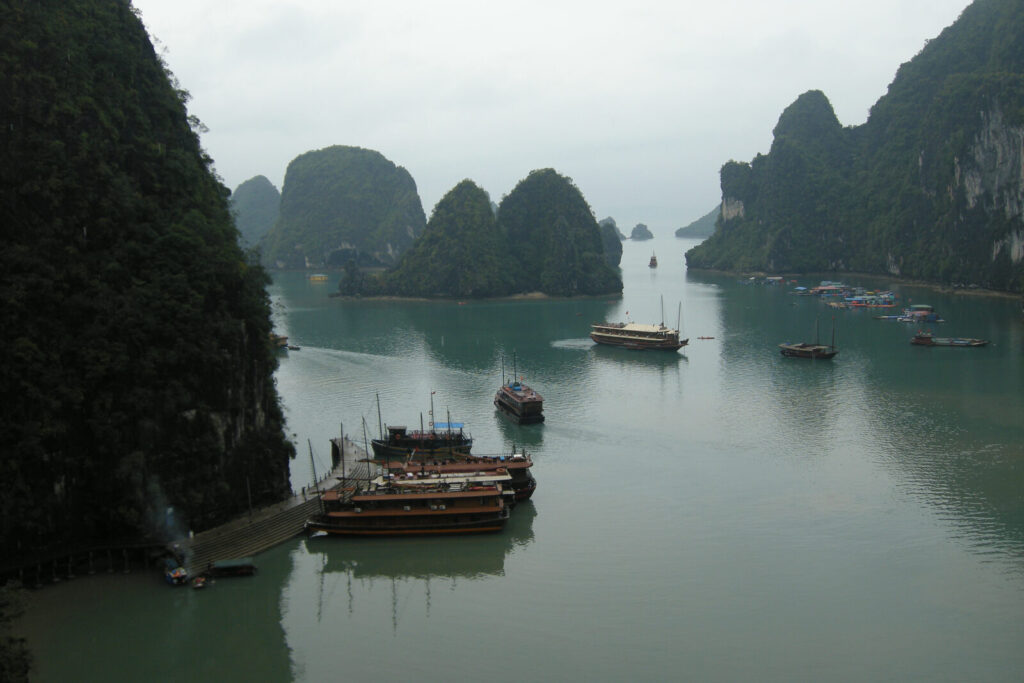
- Ha Long Bay / Lan Ha Bay — the iconic limestone seascape, best done as an overnight cruise; Lan Ha is the quieter, less crowded alternative.
- Sapa — terraced rice valleys and hill-tribe culture in the far north; a worthwhile extension for groups with time.
- Hue — the former imperial capital, with the Citadel and royal tombs along the Perfume River.
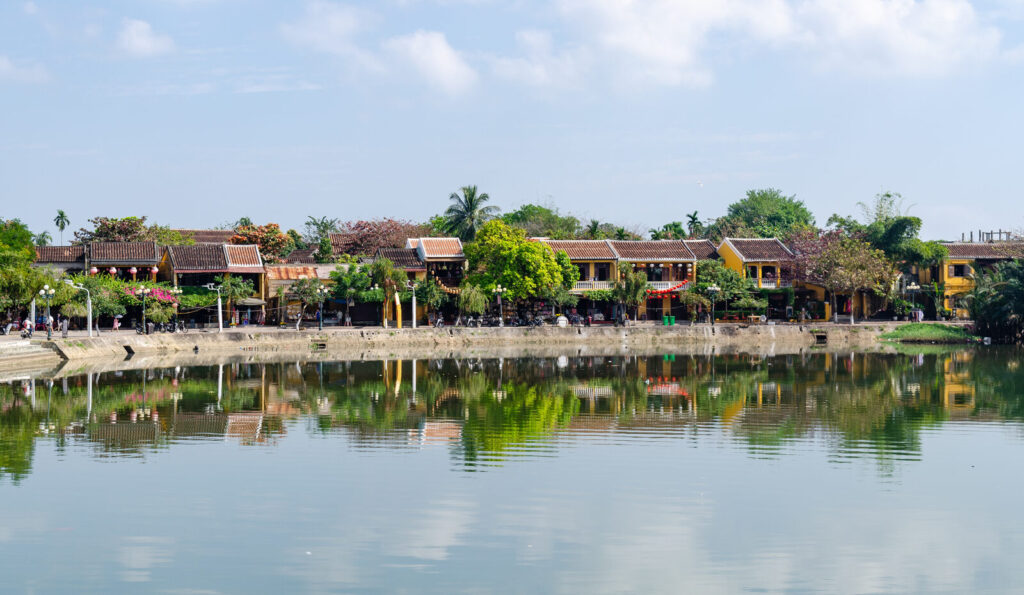
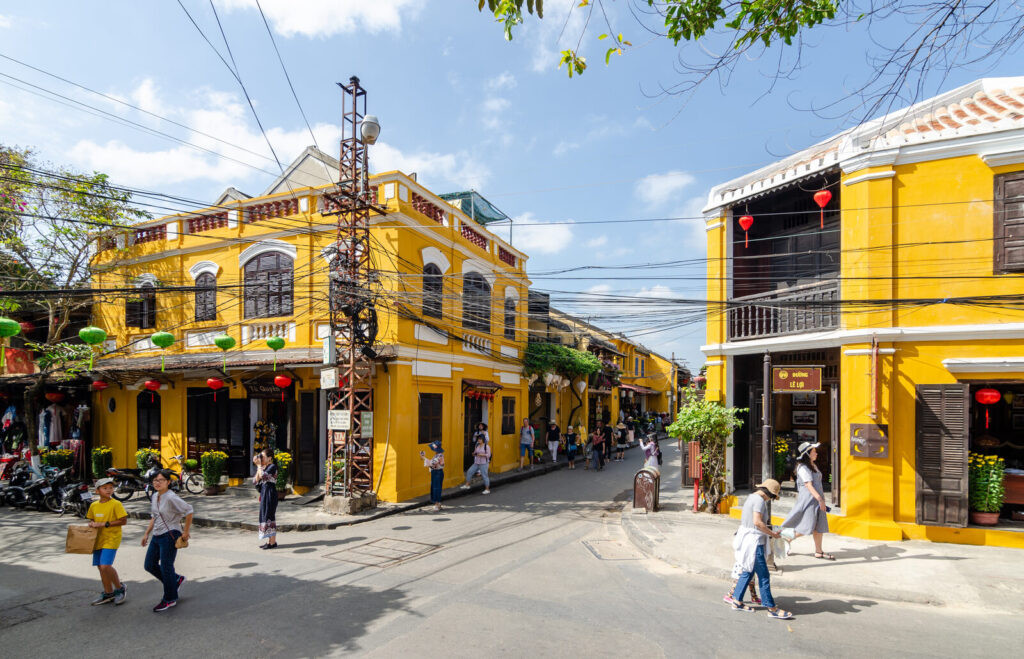
- Da Nang & Hoi An — a modern beach city beside a lantern-lit UNESCO old town; a group favourite for atmosphere and tailoring.
- Ho Chi Minh City — fast, modern and historic: the War Remnants Museum, Reunification Palace and the Cu Chi Tunnels nearby.
- Mekong Delta — sampans, floating markets and orchards, an easy day trip or overnight from Ho Chi Minh City.
Vietnam visas for groups: the 90-day e-visa
This got much easier in August 2023. Vietnam now issues an e-visa to citizens of all countries, valid for up to 90 days with a single- or multiple-entry option. For most groups this replaces the old visa-on-arrival approval-letter process entirely.
What we tell agents to brief their groups on:
- Apply online at the official government portal — budget about 3 working days, but apply at least two weeks out to be safe.
- Each traveller needs a passport valid for 6+ months plus a plain passport-style photo and a scan of the passport bio page.
- The e-visa names a specific entry checkpoint — confirm it matches your group’s actual arrival airport.
- A few nationalities are still visa-exempt for short stays; we confirm the rule for every passport in the group before you commit to dates.
- We can send a step-by-step visa sheet your clients forward straight to their travellers.
What a Vietnam group tour actually costs
Land costs move with hotel tier, group size, season and how many internal flights you build in. As an indicative, land-only, per-person twin-share guide for a group of 20+:
| Hotel tier | Indicative USD / person / day |
|---|---|
| 3-star comfort | ~USD 65–95 |
| 4-star | ~USD 95–150 |
| 5-star | from ~USD 180 |
Those figures typically cover hotels, private air-conditioned coach, English-speaking guides, entrance fees and most meals — but not international flights, visas or tips. The single biggest swing factor is season: the same itinerary in October can cost noticeably more than in May. The number of internal flights, the cruise standard on Ha Long Bay, and your group size (which sets the per-pax coach and guide cost) are the next biggest levers. Send us the dates and pax and we’ll quote the real number rather than a range.
Two sample itineraries
The classic 8-day north-to-central tour
- Day 1–2: Arrive Hanoi — Old Quarter, water-puppet show, city highlights.
- Day 3–4: Overnight cruise on Ha Long Bay or the quieter Lan Ha Bay.
- Day 5: Return to Hanoi, fly to Da Nang, transfer to Hoi An.
- Day 6–7: Hoi An Ancient Town, lantern evening, optional My Son or a cooking class.
- Day 8: Da Nang departure.
The full 13-day north-to-south journey
- Day 1–3: Hanoi and an overnight Ha Long Bay cruise.
- Day 4–5: Fly to Hue — the Citadel and royal tombs — then drive over the Hai Van Pass to Hoi An.
- Day 6–7: Da Nang and Hoi An at leisure.
- Day 8–10: Fly to Ho Chi Minh City — city tour, Cu Chi Tunnels and a Mekong Delta overnight.
- Day 11–13: Optional beach finish on Phu Quoc, or depart from Ho Chi Minh City.
Both are skeletons we tailor to your group’s pace and budget. Groups combining Vietnam with neighbours often run it alongside our Cambodia DMC programme for an Indochina loop through Siem Reap.
The logistics that make or break a departure
- Use internal flights wisely. Hanoi–Da Nang and Da Nang–Ho Chi Minh City flights turn a punishing coach day into an hour in the air. We hold group seats early because Vietjet and Vietnam Airlines sell out on popular dates.
- Right-size the coach. A 45-seat coach for 20 pax is comfortable; the same coach can’t reach parts of Hoi An’s pedestrian centre, so we plan drop-off points in advance.
- Lock hotel allotments early. In peak season, the gap between a confirmed group block and “on request” is the gap between selling the tour and not.
- Brief the guide on pace. A multi-generational group and a corporate incentive group want very different days — we match the guide to the group, not just the language.
- Plan meals deliberately. Group dining, dietary requirements and a mix of local and familiar food keep everyone happy over a long tour.
MICE & incentives in Vietnam
Vietnam has become a strong, well-priced incentive destination. Da Nang and the central beaches offer resort properties built for groups and gala dinners; Ho Chi Minh City and Hanoi bring city venues and conference space. Typical incentive add-ons that land well are a private Ha Long Bay cruise, a Hoi An lantern evening, cooking classes and beach team-building. We handle venue sourcing, room blocks, transport and on-site coordination end to end.
Practical tips for group leaders
- Money: the dong is the local currency; US dollars are useful as backup and cards are widely accepted in cities but not in rural areas.
- Connectivity: local SIMs and eSIMs are cheap and reliable; we can arrange them on arrival for the group leader.
- Tipping: not obligatory but appreciated for guides and drivers; we advise a per-pax guideline so it’s handled smoothly.
- Pace: Vietnam tempts itineraries to over-pack. Building in a slower beach day or a free morning noticeably improves group satisfaction.
Frequently asked questions
How far in advance should we book a Vietnam group tour?
For peak months (October–April in the north) we recommend confirming 8–12 weeks out to secure hotel blocks and group flight seats. Off-peak, 4–6 weeks is usually workable.
Do all travellers need a visa for Vietnam?
Most do, but Vietnam waives visas for several nationalities for short stays, and everyone else can use the 90-day e-visa. We confirm the rule for each passport in your group before you commit to dates.
What group size do you handle?
We run everything from small FIT groups of 8–10 up to large series departures of 40+, including MICE and incentive groups with bespoke logistics.
How many days do you need for Vietnam?
A satisfying first visit to the north and centre runs 7–8 days; a full north-to-south journey is best with 12–14 days.
Is Ha Long Bay worth an overnight, or is a day trip enough?
For groups, the overnight cruise is far better — it avoids a long same-day return to Hanoi and gives sunrise and sunset over the bay, which is when it’s at its best.
Planning a group departure to Vietnam? Our local team handles hotels, transfers, guides, internal flights and MICE logistics end to end. See our Vietnam DMC services or request a group quote with your dates and pax — we’ll come back with real numbers, not a brochure.
Photos: Ha Long Bay by Vyacheslav Argenberg (CC BY 4.0); Hoi An Ancient Town by Steffen Schmitz (CC BY-SA 4.0), via Wikimedia Commons.

Travel DMC Group
Travel DMC Group is a B2B destination management company handling ground services — hotels, transfers, guided tours, MICE and group logistics — across Asia, the Middle East and the Caucasus. These guides are written by our in-house operations and product team from first-hand experience running group departures.
Recommended Posts
How Many Days Do You Need in Vietnam? (2026 Guide)
June 22, 2026