
Slow MICE: How to Design Unrushed Incentive Programmes in 2026
The incentive trip that wins a sales team over has changed. For years the brief was “more” — more destinations, more activities, more boxes ticked in five days. Going into 2026, the buyers we quote for are asking for the opposite: fewer places, longer stays, real downtime, and experiences that feel rooted in where the group actually is. The trade has a name for it now — Slow MICE — and it is reshaping how incentive and meetings programmes get designed. Here is what it means in practice, why it is happening, and how we build a slow programme that still delivers the “reward” an incentive is supposed to be.
What “Slow MICE” actually means
Slow MICE borrows from the slow-travel and slow-food movements: it prioritises quality, depth and restoration over a packed itinerary. Instead of three cities in five days, a slow programme might anchor a group in one or two places with enough dwell time to genuinely unwind — a half-day with nothing scheduled, a long lunch that becomes the afternoon, a sunrise that nobody has to rush away from. The point is not to do less for the sake of it; it is to design space into a trip so the experiences land instead of blurring together.
It travels alongside three other shifts buyers are voicing for 2026: radical authenticity (local, real, not staged), bleisure (leisure deliberately bolted onto work travel), and hyper-personalisation (programmes shaped to the actual group rather than a template). For an operator, the four overlap into one design principle: build around place and people, not around a checklist. If you are new to where a ground operator fits into incentive delivery, our explainer on what a DMC does sets out the handoffs.
Why it’s happening now
This is not a fashion; it is a response to a few real pressures converging:
- Burnout is the thing being rewarded against. A reward trip that leaves people more tired than the office defeats its own purpose. Restoration has become the explicit goal, not a side effect.
- Sustainability is now a buying filter. A large majority of corporate travellers say they prefer to work with eco-conscious partners, and procurement increasingly asks the question on the RFP. Fewer, longer stays with less internal flying is both slower and lower-carbon — the two trends reinforce each other.
- Authenticity beats spectacle. Groups that have “done” the headline attractions want the version only a local operator can arrange — the family-run kitchen, the artisan’s workshop, the guide who actually knows the valley.
- Bleisure is mainstream. Attendees increasingly tack leisure days onto a corporate trip, so the programme has to flex around personal time rather than fill every hour.
How to design a slow incentive programme
The mechanics are where a DMC earns its place, because “slower” is harder to operate well, not easier. The things we change when a brief calls for Slow MICE:
- Cut the destination count. One or two anchors, not four. The saved transfer time becomes experience time, and the logistics get more reliable, not less.
- Build in genuine downtime. We schedule unscheduled time deliberately — and protect it — rather than letting the itinerary creep back to full.
- Lead with place. A nature setting, a heritage town, a coast — somewhere with enough depth to hold a group for several days without repeating itself.
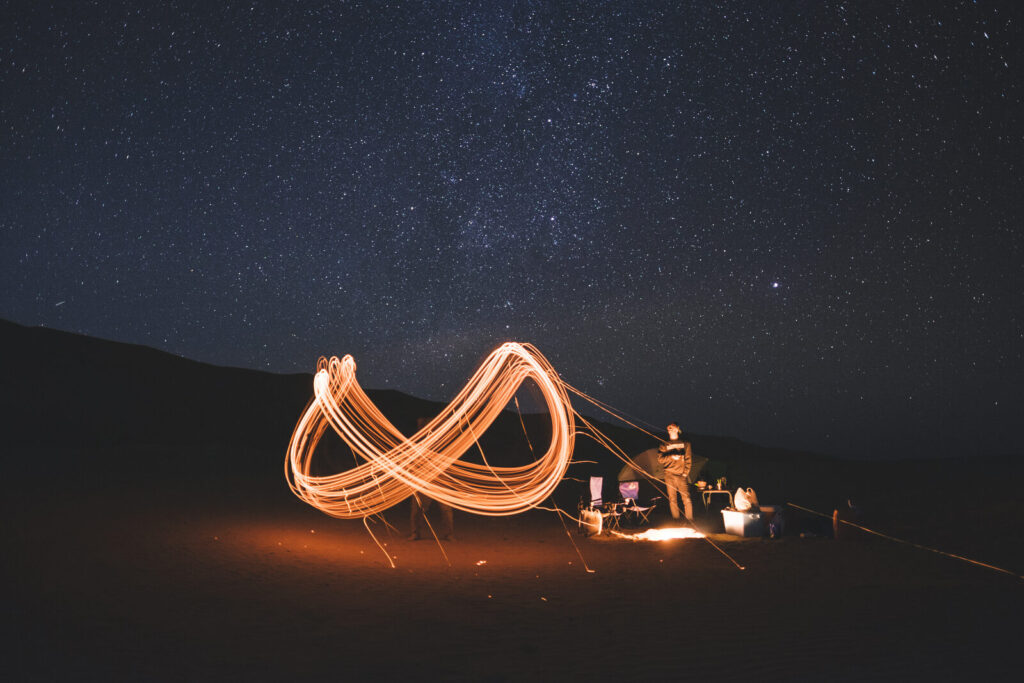
- Make the standout moment local, not loud. A quiet dinner in a restored courtyard or a sunrise in the desert tends to outlast the big-ticket spectacle in people’s memory.
- Design for choice. Parallel options on a free afternoon (spa, hike, market, or nothing) personalise the same programme across a mixed group.
Done well, the budget doesn’t drop — it shifts. Money that used to go on extra internal flights and a fourth hotel check-in goes into a better property, a longer stay and a more memorable single experience.
Where Slow MICE works in Asia & the Middle East
The regions we handle suit this shift particularly well, because they pair iconic anchors with the space to slow down:
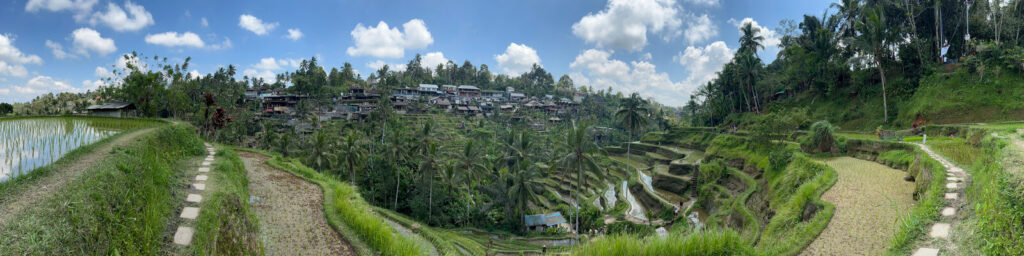
- Bali & Indonesia — Ubud’s rice-terrace interior and the wellness scene are built for restoration; a group can stay put and never run out of depth. See our guide to Bali for groups beyond the beach.
- Oman & the wider Gulf — desert camps under clear skies and a slower coastline are the antidote to high-rise itineraries; they balance a city anchor beautifully.
- Thailand & Sri Lanka — wellness, food and nature in concentrations that reward staying longer in one base; our Thailand DMC and Sri Lanka DMC teams build exactly these stays.
- Saudi Arabia (AlUla) — heritage and desert design at a pace that suits unhurried, high-end groups; see our Saudi Arabia DMC services.
- Bhutan & Nepal — for groups that want the trip itself to be the reset, not just the backdrop, handled by our Bhutan DMC and Nepal DMC teams.
For a fuller view of where incentive groups are heading across the region, see our overview of top incentive destinations in Asia & the Middle East.
What it means for budgets and logistics
A few practical points we raise with agents pitching a slow programme to a corporate client:
- Per-person cost rarely falls, but value perception rises. Fewer moving parts, spent on better quality, reads as more premium — useful when the trip is the reward.
- Reliability improves. Fewer transfers and flights mean fewer failure points; a delayed sector can’t cascade through a four-city plan that no longer exists.
- The sustainability story writes itself. Lower internal travel and longer local stays give procurement a credible, quantifiable eco line for the post-trip report.
- Personalisation needs ground intelligence. Parallel options and authentic local experiences only work if someone on the ground can actually deliver and staff them — which is the part we own.
Frequently asked questions
Is Slow MICE just a smaller budget in disguise?
No. The spend usually holds; it moves from transfers and extra stops into better accommodation, longer stays and a stronger signature experience. It reads as more premium, not cheaper.
Does a slower programme still feel like a reward?
That’s the whole point. Restoration is what today’s incentive travellers value — a trip that leaves them recharged outperforms one that leaves them exhausted.
Which destinations suit it best?
Places with depth and a natural setting: Bali, Oman and the Gulf, Thailand, Sri Lanka, AlUla in Saudi Arabia, and Bhutan or Nepal for a full reset.
How does it help with sustainability targets?
Fewer internal flights and longer single-base stays lower the trip’s carbon footprint, giving procurement a measurable eco-credential — increasingly a requirement on incentive RFPs.
Is it harder to operate?
In some ways, yes — protecting downtime and delivering authentic, personalised experiences takes more ground knowledge than ticking off headline sights. That’s exactly where a local DMC adds value.
Designing a 2026 incentive? Let’s build it slow
We design and operate incentive and MICE programmes across Asia and the Middle East, and we are increasingly building them the slow way — fewer places, deeper experiences, a cleaner sustainability story. Tell us the group, the dates and the brief, and our team will shape a programme that delivers the reward without the rush. Get in touch for a proposal.
Inline image: Tegallalang, Bali — Stefan Fussan, CC BY-SA 4.0, via Wikimedia Commons.

Travel DMC Group
Travel DMC Group is a B2B destination management company handling ground services — hotels, transfers, guided tours, MICE and group logistics — across Asia, the Middle East and the Caucasus. These guides are written by our in-house operations and product team from first-hand experience running group departures.
Recommended Posts
How to Check an AI-Built Itinerary Before You Sell It
October 20, 2026