

Why Use a DMC for Your MICE Event (vs Booking It Yourself)

Every few months we get the same call. An event organiser has been quoted a venue rate directly, found a hotel block online, and lined up a coach company through a quick web search — and then the questions start. Who handles the permit for the gala dinner on the rooftop? What happens if forty delegates land at 2am on a delayed flight? Is that “best available” rate actually any good? That moment, when the booking-it-yourself plan meets the reality of a live event, is exactly when a DMC for MICE earns its place.
A Destination Management Company is the local operator on the ground in the destination you’re running your event in. We don’t replace your in-house team or your client relationship — we sit underneath the programme as the people who actually know the suppliers, hold the net rates, pull the permits, and stand in the lobby at 6am when something goes sideways. This article makes the honest case for when that’s worth it, and when it isn’t.
What a DMC brings to a MICE event
Strip away the brochure language and a good DMC delivers four concrete things you can’t easily buy off a website.
Local expertise that isn’t on Google. We live in the destination. We know which “5-star” venue has a tired ballroom, which DMC-friendly restaurant can flip a room from theatre-style to banquet in ninety minutes, which coach operator’s drivers actually speak English, and which week your dates clash with a public holiday or a trade fair that will triple your transfer costs. That knowledge is the difference between a programme that runs and one that limps.
Supplier relationships and buying power. Because we contract the same hotels, venues, coach companies, AV crews and restaurants every week, we get attention, flexibility and priority that a one-off organiser simply can’t. When a hotel is full, a relationship gets you the rooms anyway. When you need a last-minute room change, it happens because they know they’ll see us again next month.
Net rates, not retail. This is the part most people underestimate. DMCs are contracted on confidential net rates — typically well below the public price — and pass through real buying power on rooms, transfers and venues. If you book direct, you’re usually paying close to rack. We’ve written a full breakdown of how DMC net rates work if you want the mechanics, but the short version is: the margin that makes a DMC viable often comes out of the gap between net and retail, not on top of your budget.
One point of accountability. Book it yourself and you’re managing eight separate contracts, eight invoices, eight people to chase, and eight chances for a gap to open up between them. A DMC consolidates all of that into a single point of contact who owns the whole ground operation. When something needs fixing, there’s one number to call and no finger-pointing between vendors.
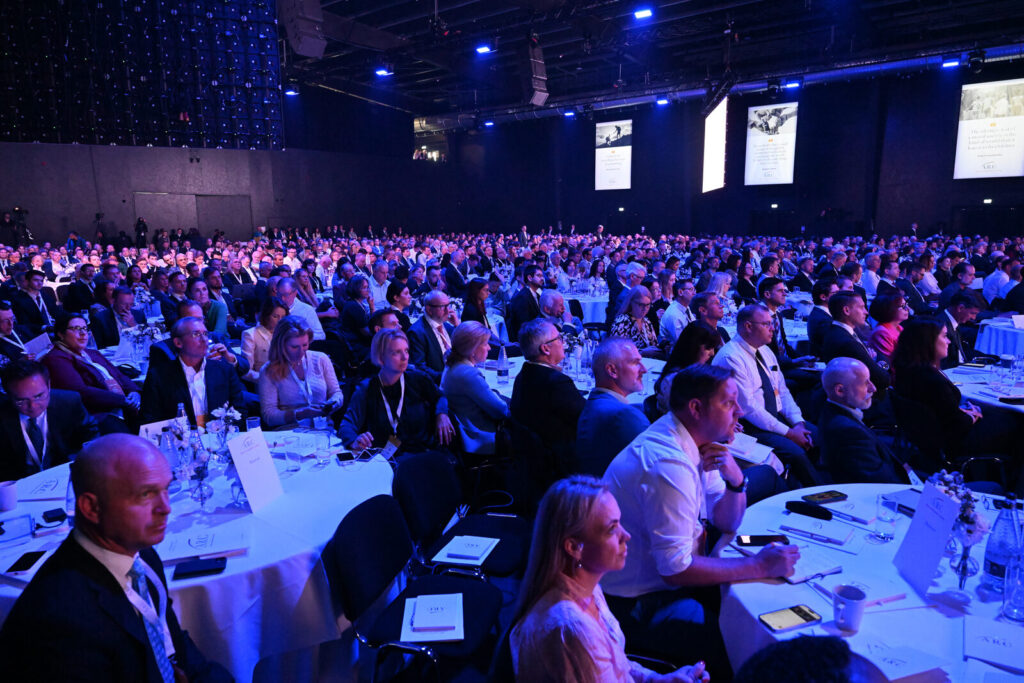
DMC vs booking direct or in-house — a side-by-side
Here’s an honest comparison of the same MICE programme handled three ways. None of these is “always right” — but the trade-offs are real.
| Factor | Using a DMC | Booking direct / in-house |
|---|---|---|
| Rates | Confidential net rates across rooms, venues, transport | Public / corporate rates, limited leverage |
| Local knowledge | Deep, current, on the ground | Whatever you can research remotely |
| Accountability | Single point of contact owns the ground op | You coordinate every supplier directly |
| Permits & compliance | Handled locally as standard | Your responsibility to identify and file |
| On-site crisis cover | Local staff and a Plan B already in place | You troubleshoot remotely, in another time zone |
| Your time | One brief, one contract, one invoice | Dozens of threads to manage yourself |
| Best for | Unfamiliar destination, groups, complex logistics | Small, simple, repeat events you know cold |
The real value: when things go wrong
Anyone can build a smooth itinerary on paper. The reason experienced organisers keep a DMC on speed-dial is what happens when the plan breaks — and on a live programme, something always does.
Take the classic scenario: a delayed flight. Half your delegation is now landing five hours late, missing the welcome dinner, and the pre-booked coaches have already done their run. If you booked direct, you’re on a phone in a different time zone trying to renegotiate transfers with a supplier who’s gone home for the night. With a DMC, our local team has already rebooked the transport, held the kitchen, and pushed the dinner back — often before you’ve even seen the flight notification, because we’re watching the inbound flights too.
Or supplier failure: the AV company double-books and can’t crew your conference. A one-off organiser is stuck. A DMC has three other crews on contract and makes one call. That’s not luck — it’s the direct payoff of those supplier relationships and buying power. The core job of a DMC is to absorb that operational risk so it never reaches your client.
This is also where local compliance quietly matters. Drone shots over a venue, a street-closure for a brand activation, alcohol service at an outdoor event, fireworks at a gala — most destinations require permits, and the timelines and paperwork are rarely obvious from abroad. Getting it wrong can shut your event down on the day. A local DMC files these as routine, because we do it every week.
DMC vs PCO vs event agency — the quick version
These terms get used interchangeably, but they’re different roles, and knowing which you need saves a lot of confusion.
- DMC (Destination Management Company) — the local ground operator in the destination. Owns suppliers, net rates, logistics, transfers, venues and on-the-ground delivery. That’s us.
- PCO (Professional Conference Organiser) — specialises in the conference itself: delegate registration, abstract management, the scientific or technical programme, and association congresses. Often works with a DMC for the local handling.
- Event agency — usually the client-facing creative and project-management layer: concept, branding, staging, experience design. Frequently briefs a DMC to execute the destination side.
In practice these overlap and good operators wear more than one hat. The point is that a DMC is the local execution engine — and PCOs and event agencies routinely use one rather than rebuild ground operations in every country they work in.
When you might not need a DMC
We’d rather you trust us than oversell you, so here’s the honest other side. There are cases where booking direct is perfectly sensible:
- Small, simple groups. A 12-person board meeting at a hotel you already use, in a city you know well, with no off-site logistics — you probably don’t need a DMC for that.
- A destination you genuinely know cold. If you run the same event in the same city every year and have your own supplier relationships, you’ve effectively become your own DMC.
- Pure single-venue events with no transfers or activities. When everything happens inside one property and the hotel’s own events team can cover it, the added coordination layer may not pay for itself.
The calculus shifts the moment you add unfamiliar territory, multiple suppliers, group transport, off-site activities, or a programme where a failure would embarrass you in front of a client. That’s the zone where a DMC stops being a cost and starts being insurance. If you’re weighing it up, our guide on how to choose a DMC walks through the questions to ask before you contract one.
Frequently asked questions
Should I use a DMC for my event?
Use one when the event is in a destination you don’t know intimately, involves a group, or has moving parts beyond a single venue — transfers, off-site dinners, activities, permits. For a small, simple, repeat meeting in a familiar city, booking direct can be fine. The bigger the consequence of something going wrong, the stronger the case for a DMC.
What’s the difference between a DMC and a PCO?
A DMC handles the local ground operation in the destination — suppliers, net rates, transfers, venues and on-site delivery. A PCO specialises in the conference itself: registration, the programme, and congress logistics. For a large conference you may use both, with the PCO running the event content and the DMC handling everything local.
Does using a DMC cost more than booking direct?
Usually less than people expect, and sometimes less outright. DMCs work on net rates below public pricing, so the margin often comes out of the gap between net and retail rather than being added on top of your budget. You’re also buying back a lot of your own time and removing risk. See how DMC net rates work for the detail.
What does a MICE DMC actually do?
For Meetings, Incentives, Conferences and Exhibitions (if you want the full breakdown, here’s what MICE stands for), a DMC sources and contracts venues, hotels and transport at net rates; designs the ground programme; handles permits and local compliance; manages on-site logistics and staff; and acts as your single point of accountability throughout.
Can a DMC handle events across multiple countries?
A single DMC is, by definition, local to one destination — but established DMCs maintain trusted partner networks across a region, so one relationship can coordinate programmes in several markets. We cover this across our MICE destinations in Asia and the Middle East.
Talk to us about your event
If you’ve got a MICE programme on the horizon and you’re weighing up whether to run it yourself or bring in a local operator, talk to us before you commit. Send us the destination, dates and rough delegate numbers and we’ll tell you honestly whether a DMC adds value for your specific event — and if it does, what we’d do differently. Get in touch and we’ll come back with straight answers, not a sales pitch.

Travel DMC Group
Travel DMC Group is a B2B destination management company handling ground services — hotels, transfers, guided tours, MICE and group logistics — across Asia, the Middle East and the Caucasus. These guides are written by our in-house operations and product team from first-hand experience running group departures.
Recommended Posts
How to Check an AI-Built Itinerary Before You Sell It
October 20, 2026