
MICE & DMC Glossary: 25 Travel-Trade Terms Explained
Spend a week reading DMC proposals and you will trip over a private language. Rates come “net”, groups arrive “GIT”, transfers are quoted “SIC”, and somebody keeps asking how many “pax” you have. None of it is hard once you know the words, but the jargon does real damage when it is misread — a misunderstood release period can cost you rooms, and a confused FIT-versus-GIT booking can blow a budget. This MICE glossary collects the 25 travel-trade terms you actually meet when you brief a Destination Management Company and run an event on the ground.
We have written it the way we explain things to a new client: plain English, no fluff, grouped so you can find the bit you need. If you are still deciding whether you even need a local partner, our piece on what a DMC is covers that first; this one is for when you are already in the conversation and want to keep up.
Who’s who in MICE
MICE
Meetings, Incentives, Conferences and Exhibitions (sometimes “Events”). It is the umbrella term for business travel that moves groups for a work reason rather than a holiday. If you want the longer version, see what MICE stands for.
DMC (Destination Management Company)
The local expert on the ground in the destination. A DMC contracts hotels, venues, transport and activities on your behalf, builds the programme, and runs it operationally on the day. Think of them as your office in a country you do not live in.
PCO (Professional Conference Organiser)
A specialist that plans and runs conferences and congresses end to end — registration, abstract management, the scientific programme, the exhibition floor. A PCO owns the conference; a DMC handles the destination side. On a big congress the two often work together.
Ground Handler
A company that executes the on-arrival logistics — transfers, guides, meet-and-greet, excursions — often as a sub-contractor to a DMC or tour operator. Every DMC is a ground handler, but not every ground handler offers the full DMC planning and contracting layer.
Receptive Tour Operator (RTO)
An inbound operator that receives travellers sent by an overseas agent and provides local services. The terms RTO, ground handler and DMC overlap heavily; the practical difference is scope, with the DMC usually sitting at the most strategic, consultative end.
Tour Leader / Tour Manager
The person who travels with a group from start to finish, usually from the origin country, managing the experience and the people. Not to be confused with a local guide, who is destination-specific and joins for sightseeing. A long programme may have both.
Inbound vs Outbound
Inbound means bringing visitors into a destination (a Singapore DMC handling a German incentive group is doing inbound work). Outbound means sending travellers out from their home market. Your agency may be outbound; your DMC is inbound.

Rates & contracting
Net Rate
The price the DMC gives you with no commission baked in — your raw cost. You add your own margin on top before you quote the end client. This is the foundation of trade pricing; we break down exactly how DMC net rates work in a dedicated guide.
FIT (Free / Fully Independent Traveller)
An individual or small party travelling on their own arrangements rather than as part of an organised group. FIT rates and logistics differ from group ones, which is why proposals separate them.
GIT (Group Inclusive Tour)
A group travelling together on one programme, usually with a minimum headcount that unlocks group pricing. The split between FIT and GIT drives almost everything — rates, room blocks, transfer type and guide ratios.
Allotment
A block of rooms (or seats) a hotel holds for an operator to sell, without each one being individually confirmed up front. It lets a DMC promise availability for a group before names are finalised.
Release Period
The deadline by which unsold allotment rooms must be handed back to the hotel without penalty. Miss it and the rooms either drop or convert to a paid commitment. Watch this date — it is where avoidable money leaks.
Per Diem
A fixed daily allowance given to a traveller for meals and incidentals, instead of reimbursing each receipt. Common on incentive and corporate programmes; the DMC may quote it per person per day.
On the ground
Transfer (SIC vs Private)
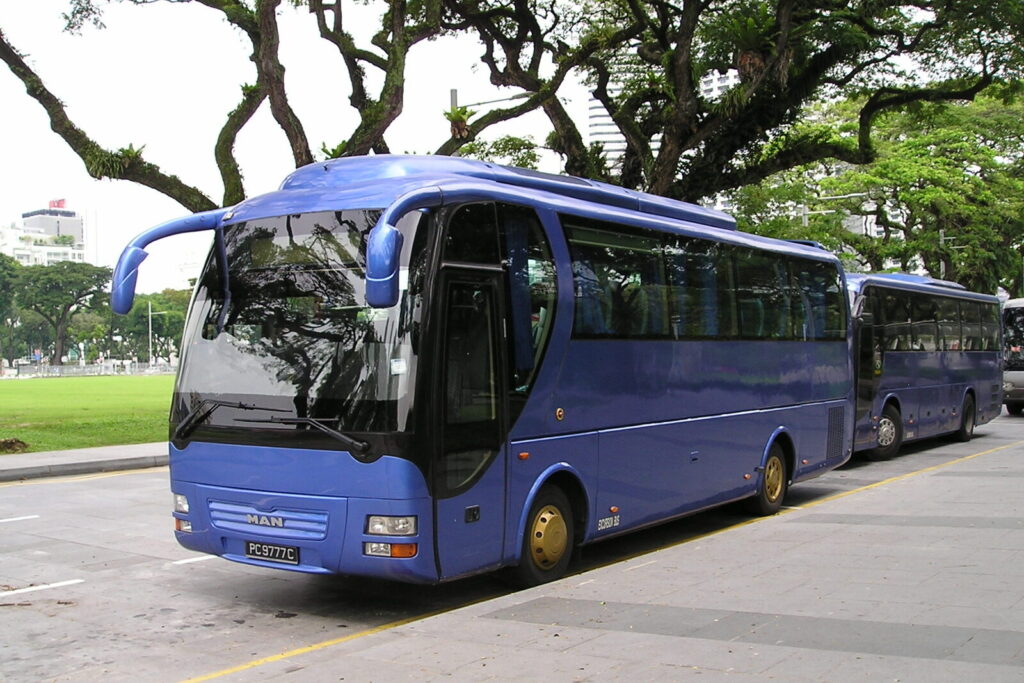
A transfer is any A-to-B transport — airport to hotel, hotel to venue. SIC (Seat-In-Coach) is a shared service: cheaper, scheduled, multiple parties on one vehicle. Private is a dedicated vehicle for your group only: pricier, on your timing. Our note on Singapore shared transfers shows the trade-off in practice.
Meet & Greet
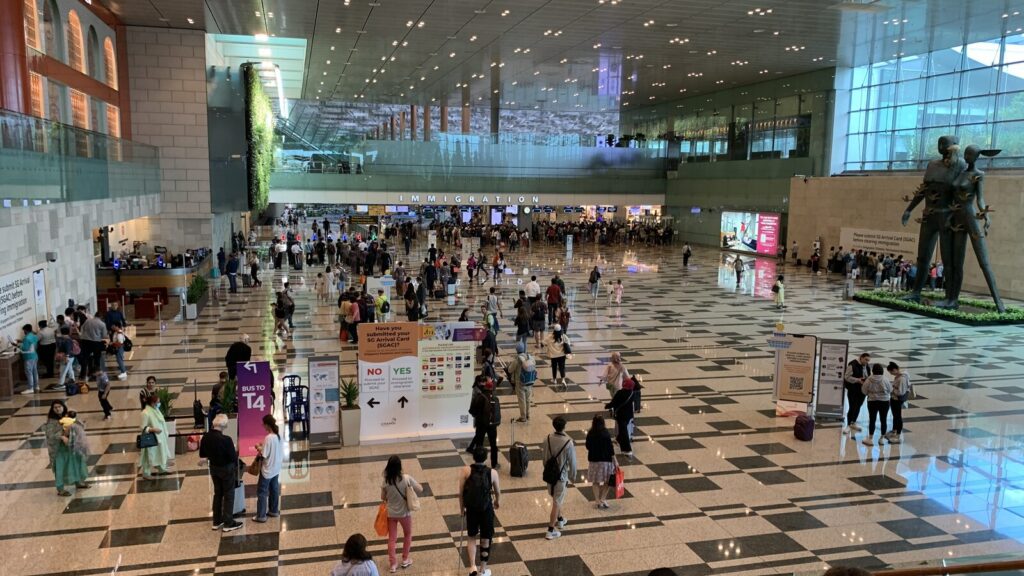
A representative waiting at the arrivals hall with a name board to receive your guests and walk them to their transfer. Small touch, big difference for VIPs and large groups landing tired.
Rooming List
The final spreadsheet of who sleeps where — names, room types, sharing arrangements, arrival and departure dates. The DMC needs it by a cut-off to confirm the block; late or messy rooming lists are a classic source of check-in chaos.
Pax
Trade shorthand for passengers or persons. “How many pax?” simply means how many people are travelling. It is the number that drives almost every quote you will receive.
Site Inspection
A pre-event visit to view the actual hotels, venues and routes before committing. The DMC arranges and hosts it. For a large conference or incentive it is non-negotiable — you do not sign off a gala venue from a PDF.
Fam Trip (Familiarisation)
A trip the DMC or a tourism board hosts for agents and planners so they experience the destination first-hand and can sell it with confidence. Educational, not a holiday — expect a packed itinerary of inspections.
Programme & event terms
Incentive Travel
A trip awarded to staff or partners as a reward for hitting targets — the “I” in MICE. The bar is high: memorable experiences, surprise touches, the kind of programme people brag about. See our MICE and incentive destinations across Asia and the Middle East.
Gala Dinner
The headline evening event — awards night, themed banquet, the big finale. Venue, staging, catering and entertainment all sit under it, and it is usually where a programme’s budget and ambition show.
Teambuilding
Structured group activities designed to improve collaboration — from cooking classes and amazing-race formats to CSR builds. The DMC sources, themes and runs them around your objectives, not just for fun.
Bleisure
Business plus leisure: extending a work trip with personal days, or weaving downtime into a corporate programme. Increasingly expected, and a smart way to lift the value of an incentive without adding much cost.
RFP (Request for Proposal)
The brief you send DMCs to bid on — dates, pax, budget, objectives, must-haves. A tight RFP gets you comparable, useful proposals; a vague one gets you guesswork. Be specific about dates and headcount.
Shoulder Season
The window between peak and low season — decent weather, softer rates, fewer crowds. For flexible groups it is often the sweet spot for value, and a good DMC will steer you to it when the calendar allows.
Frequently asked questions
What does DMC stand for?
DMC stands for Destination Management Company — a local partner that plans, contracts and operates travel and events on the ground in a specific destination, on behalf of overseas agents and corporate clients.
What is the difference between FIT and GIT?
FIT (Free Independent Traveller) is an individual or small party on independent arrangements; GIT (Group Inclusive Tour) is an organised group travelling together, usually above a minimum headcount that unlocks group rates, blocked rooms and shared transfers.
What is a fam trip?
A familiarisation trip — a hosted, educational visit that lets travel agents and planners experience a destination and its hotels first-hand so they can sell it accurately and confidently.
What does pax mean?
Pax is trade shorthand for passengers or persons — the number of people travelling. It is the headline figure behind nearly every DMC quote.
Work with a DMC
Knowing the vocabulary is half the battle; having a local partner who speaks it fluently is the other half. If you are pricing a group programme, planning an incentive, or just want a net-rate proposal you can actually read, get in touch with our team and we will translate the brief into a costed plan — jargon explained, nothing lost.

Travel DMC Group
Travel DMC Group is a B2B destination management company handling ground services — hotels, transfers, guided tours, MICE and group logistics — across Asia, the Middle East and the Caucasus. These guides are written by our in-house operations and product team from first-hand experience running group departures.
Recommended Posts
How to Check an AI-Built Itinerary Before You Sell It
October 20, 2026