

Best Time to Visit Sri Lanka: A Month-by-Month Guide (2026)
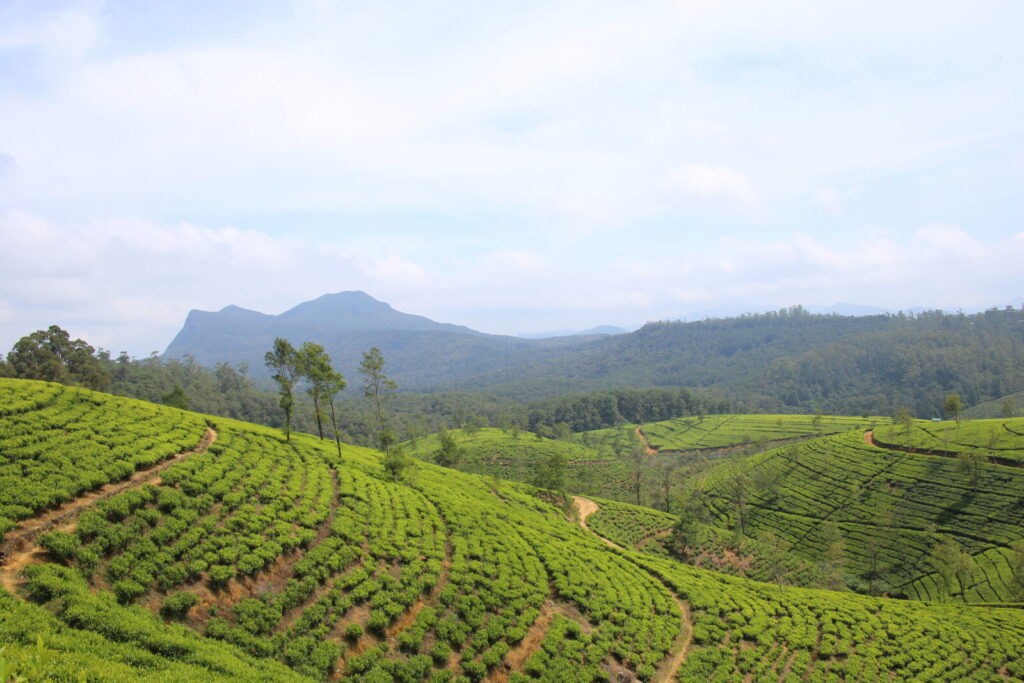
The single most useful thing to know about the best time to visit Sri Lanka is that there is no single best time. The island sits in the path of two separate monsoons that hit opposite coasts at opposite times of year, so while one side is wet, the other is dry and sunny. That makes Sri Lanka a genuine year-round destination — the trick is to pick the right coast for your dates, not to pick your dates around one weather window.
Quick answer: For most travellers, the best time to visit Sri Lanka is December to March, when the south and west coasts (Colombo, Galle, Mirissa, Bentota) and the hill country are at their driest and sunniest. If you want the east coast (Trincomalee, Arugam Bay, Nilaveli), come May to September instead. The Cultural Triangle around Sigiriya and Kandy is reasonable to visit almost any month.
The two monsoons explained
Sri Lanka’s weather is driven by two monsoon systems blowing in from different directions. Understanding them is the whole game.
- The Yala (southwest) monsoon — roughly May to September. It blows in from the southwest and dumps rain on the west and south coasts (Colombo, Galle, Mirissa, Hikkaduwa, Bentota) and the hill country (Ella, Nuwara Eliya). During these months the south and west are at their wettest.
- The Maha (northeast) monsoon — roughly October to January. It blows in from the northeast and brings rain to the east and north (Trincomalee, Arugam Bay, Batticaloa, Jaffna). During these months the east is at its wettest, while the south and west dry out.
Because the two monsoons are out of phase, one coast is always in its dry season. Add two short inter-monsoon periods (roughly March–April and October–November) when brief afternoon thunderstorms can pop up almost anywhere, and you have the full picture. The rain in the inter-monsoon months is usually short and heavy rather than all-day drizzle, so it rarely ruins a trip.
Month-by-month at a glance
| Month | West & south coast | East coast | Hill country | Overall |
|---|---|---|---|---|
| January | Excellent — dry, sunny | Wet, tailing off | Dry, cool, clear | Peak season |
| February | Excellent — driest month | Improving | Dry and clear | Peak season |
| March | Very good | Good, drying out | Good, warming | Excellent all round |
| April | Good (inter-monsoon showers) | Good — best balance | Warm, some showers | Good, shoulder |
| May | Yala monsoon begins | Drying, good | Wetter, misty | East improving |
| June | Wet | Very good | Wet, misty | Best for the east |
| July | Wet | Excellent — dry, sunny | Wet, misty | Best for the east |
| August | Wet | Excellent — dry, sunny | Wet, misty | Best for the east |
| September | Easing | Very good | Easing | East still strong |
| October | Inter-monsoon showers | Maha monsoon begins | Showery | Shoulder, fewer crowds |
| November | Drying out, improving | Wet | Improving | South recovering |
| December | Excellent — dry, sunny | Wet | Dry, cool, clear | Peak season begins |
The pattern is easy to read once you spot it: the south and west run December to March, the east runs roughly June to September, and the two shoulder windows (March–April and September–October) are when the most of the island is dry at the same time — often the sweet spot for a circuit that covers several regions.
Best time for the south & west coast (December to March)
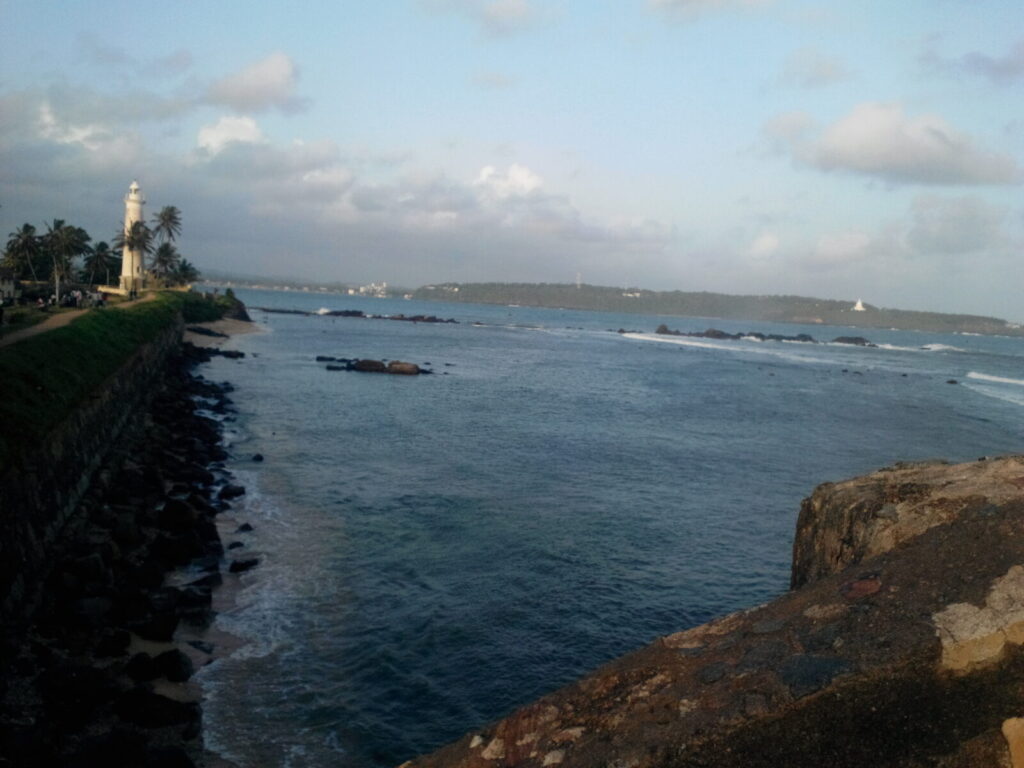
This is the classic Sri Lanka beach season and the busiest time of year. From December to March the southwest monsoon has cleared, leaving the south and west coasts dry, calm and sunny. February is typically the driest month of all. This is when Galle Fort, the surf and sand at Hikkaduwa and Weligama, the bays at Mirissa and Unawatuna, and the resorts at Bentota are at their best.
It is also peak season, so book accommodation early — especially over the Christmas, New Year and February school-holiday weeks, when the popular south-coast towns fill up and prices climb. If you want the same dry weather with fewer crowds, target late November or March, the edges of the season.
Best time for the east coast (May to September)
While the south sits under the Yala monsoon, the east coast comes into its own. From May to September — with July and August the most reliable — Trincomalee, the beaches at Nilaveli and Uppuveli, Pasikuda and Arugam Bay are dry, hot and calm. This is the mirror image of the south-coast season, and it is why a Sri Lanka trip in the European and Middle Eastern summer can still deliver perfect beach weather.
The east is also the surf coast. Arugam Bay is one of Asia’s best point breaks and its season runs roughly April/May to September, peaking around July and August. If your group is coming for waves rather than the south’s calmer swimming beaches, the east in summer is the answer.
Best time for the Cultural Triangle & hill country
The Cultural Triangle — Sigiriya, Dambulla, Anuradhapura, Polonnaruwa and Kandy — sits in the drier central part of the island and can be visited almost any month. It catches less of either monsoon than the coasts, so it stitches the year together: you can pair it with the south in winter or the east in summer. The most comfortable conditions are generally the cooler, drier months of January to March, but it is rarely a wash-out at any time.
The hill country (Kandy, Nuwara Eliya, Ella, Haputale) is a little different. It stays green and cool year-round, but it gets the heaviest rain and mist during the southwest monsoon from May to September, when views of the tea estates can disappear into cloud. For clear skies over the tea hills and that famous Kandy-to-Ella train ride, aim for December to March. Nights up here are genuinely chilly, so pack a layer.
One date worth planning around: the Esala Perahera in Kandy, a spectacular ten-night procession of decorated elephants, dancers and drummers held over late July into August (the exact dates follow the lunar calendar). It is one of Asia’s great festivals — book Kandy well ahead if your trip overlaps it.
Best time to visit Sri Lanka for…
- South-coast beaches: December to March (peak February).
- East-coast beaches & Arugam Bay surf: May to September (peak July–August).
- Hill country & tea estates: December to March for clear views; green year-round.
- Whale watching: Mirissa (south) November to April; Trincomalee (east) May to September. Blue and sperm whales are seen in both seasons.
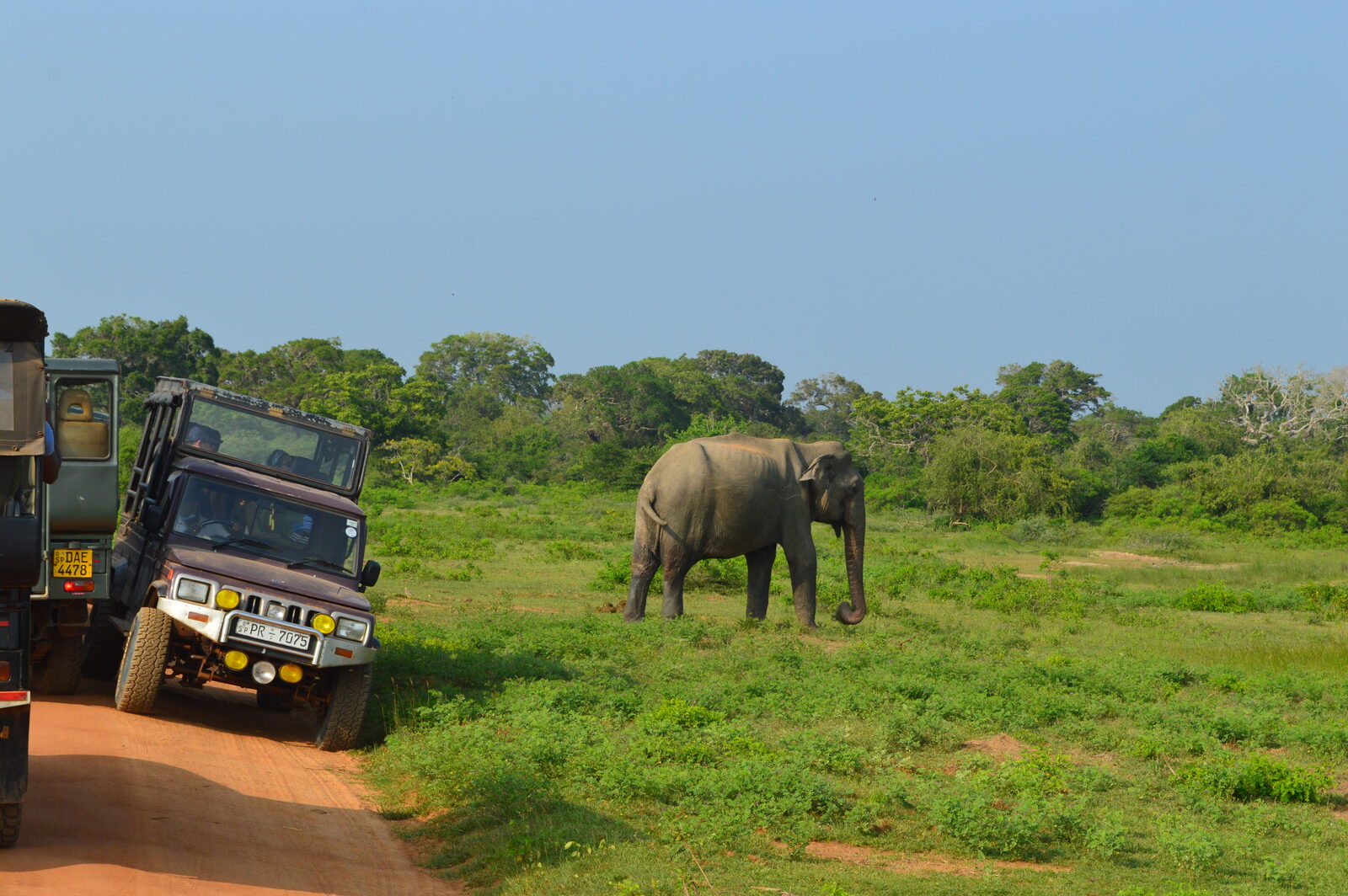
- Safari & wildlife: the dry months are best for animal sightings. Yala National Park is at its best February to July (it usually closes around September for a month); Udawalawe is good year-round; for leopards, the drier season concentrates wildlife around waterholes.
- Budget & fewer crowds: the shoulder months of April–May and September–October bring lower prices and quieter sites, with weather that is often still good on whichever coast is in its dry season.
How many days & getting there
Most international visitors arrive at Bandaranaike International Airport (CMB) near Colombo, with good connections from the Middle East, India and Southeast Asia. The island is compact but the roads are slow and winding, so build in realistic transfer times rather than trying to cover everything at once.
A first trip works well over 7 to 10 days: enough to combine the Cultural Triangle, a few days in the hill country, and a stretch of beach on whichever coast is in season. For a ready-made route, see our Sri Lanka 7-day itinerary, which pairs Sigiriya, Kandy and Ella with the south coast.
Frequently asked questions
What is the best month to visit Sri Lanka overall?
For a first visit covering several regions, February is hard to beat: the south and west coasts are at their driest, the hill country is clear and cool, and the Cultural Triangle is comfortable. March and December are nearly as good. If your priority is the east coast instead, July or August is the best month.
What is the cheapest time to visit Sri Lanka?
The shoulder and inter-monsoon months — roughly April–May and September–October — are the cheapest, with lower room rates and fewer crowds. You may catch some showers, but one coast is usually still dry, so with a flexible route you can get good weather at off-peak prices.
When is the best time for the south coast (Galle, Mirissa, Unawatuna)?
December to March is the best time for the south and west coast, when the southwest monsoon has cleared and the beaches are dry, calm and sunny. February is typically the driest month. Avoid roughly May to September here, when the Yala monsoon brings the rain.
When is the best time for whale watching in Sri Lanka?
It depends on the coast. From Mirissa in the south, the season runs November to April. From Trincomalee in the east, it runs May to September. Both offer chances to see blue whales — the largest animals on Earth — as well as sperm whales and dolphins.
When is the best time for the east coast and surfing?
May to September is the best time for the east coast — Trincomalee, Nilaveli, Pasikuda and Arugam Bay are dry and calm in these months, with July and August the most reliable. Arugam Bay’s surf season peaks at the same time, making summer the prime window for waves.
Is Sri Lanka a year-round destination?
Yes. Because the two monsoons hit opposite coasts at opposite times, at least one part of the island is always in its dry season. Whatever month you travel, there is a good-weather region to build a trip around — you simply choose the south and west in winter and the east in summer.
Plan your Sri Lanka trip
Once you have your dates, the rest is matching the right coast, the right parks and the right festivals to your group — and timing the slow drives so nobody spends the trip in a van. As a Sri Lanka destination management company, we build private, fully handled itineraries around exactly the season you are travelling in, from south-coast beach stays to east-coast surf trips and Cultural Triangle circuits.
Tell us your dates and what you want out of the trip, and we will put together a route that lands you on the right side of the island at the right time. Contact us to start planning, or browse our sample Sri Lanka 7-day itinerary for ideas.

Travel DMC Group
Travel DMC Group is a B2B destination management company handling ground services — hotels, transfers, guided tours, MICE and group logistics — across Asia, the Middle East and the Caucasus. These guides are written by our in-house operations and product team from first-hand experience running group departures.
Recommended Posts
How Many Days Do You Need in Sri Lanka? (2026 Guide)
June 22, 2026
A Sample 7-Day Sri Lanka Itinerary for Tour Operators
June 19, 2026