

How Many Days Do You Need in Japan? (2026 Guide)
“How many days do you need in Japan?” is the first question almost every client asks us, and the honest answer is: more than you think, but probably fewer than you fear. For a first trip that covers the headline sights without feeling like a route march, plan on 10 to 14 days in Japan. You can do a satisfying loop in 7 days if you stick to the classic Tokyo–Kyoto “Golden Route,” and 5 days is the realistic minimum to see one or two cities properly. Below is how we size a Japan trip in practice, what fits into each length, and a 10-day itinerary we build for clients again and again.
The short answer (and how the Shinkansen shapes it)
The reason Japan punches above its size is the Shinkansen. The bullet train turns what looks like a long country into a string of cities a couple of hours apart. Tokyo to Kyoto is about 2 hours 15 minutes; Kyoto to Osaka is under 30 minutes; Osaka to Hiroshima is roughly 1 hour 40 minutes. That speed is why we tell first-timers not to over-pack the map: you don’t need three weeks to see the best of Honshu.
If your trip is mostly Tokyo, Kyoto, Osaka and a single side trip, the Japan Rail Pass can still pay off — do the maths on your specific route, since the 2023 price rise changed the break-even point. As a rule of thumb: a 7-day pass roughly earns its keep once you do a Tokyo–Kyoto–Hiroshima round trip. For a city-only trip, point-to-point tickets and an IC card (Suica/PASMO) are usually cheaper. Either way, intercity transfers eat half a day, so the practical takeaway is simple: budget one travel day for every city you add.
What to see by trip length
| Trip length | Good for | What you can realistically cover |
|---|---|---|
| 5 days | Short breaks, stopovers, repeat visitors | One or two cities done well — e.g. Tokyo only, or Kyoto + Osaka. No deep side trips. |
| 7 days | First-timers on a tight schedule | The Golden Route: Tokyo, Kyoto and Osaka, with a day in Nara or Hakone. |
| 10–14 days | Most first-time itineraries we plan | Tokyo + Hakone + Kyoto + Osaka/Nara, plus a side trip to Hiroshima/Miyajima or the Japan Alps. |
Notice the jump in value between 7 and 10 days. The extra three days are what let you slow down in Kyoto, add Hakone for an onsen night under Mount Fuji, and reach Hiroshima without rushing. That’s why 10–14 days is the sweet spot for a first visit — you cover the icons and still have evenings to wander.
A recommended 10-day Japan itinerary
This is the backbone we adapt for most first-timers: Tokyo → Hakone → Kyoto → Osaka/Nara. It balances big-city energy, traditional Japan and one mountain breather, with minimal backtracking.
- Days 1–3 — Tokyo. Senso-ji and Asakusa, Meiji Shrine and Harajuku, Shibuya and Shinjuku, plus a day for teamLab, the Tsukiji outer market or a Mt. Fuji-view day trip.
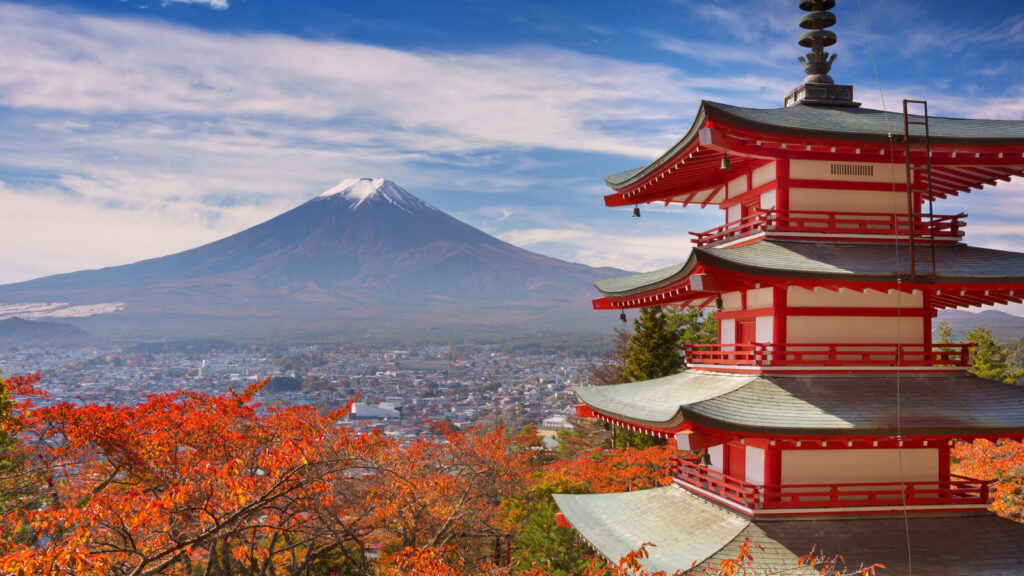
- Day 4 — Hakone. Slow down with an onsen ryokan, the open-air museum and Lake Ashi; on a clear day, Fuji from the cable car.
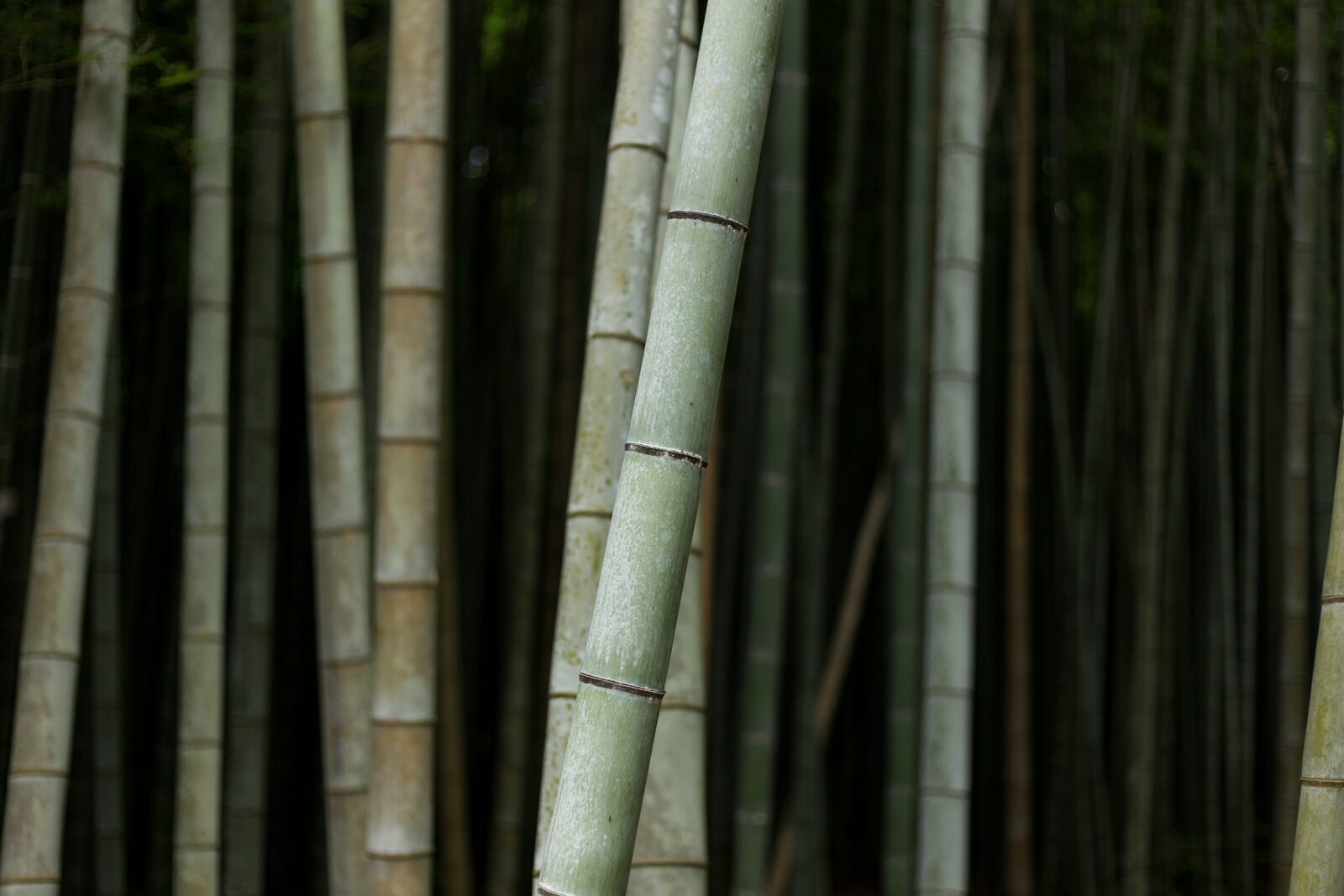
- Days 5–7 — Kyoto. Fushimi Inari at dawn, Kinkaku-ji, Arashiyama bamboo grove, Gion, and the temples of eastern Kyoto. This is where the extra days earn their keep.
- Day 8 — Nara (day trip). Todai-ji’s Great Buddha and the famous bowing deer, an easy 45 minutes from Kyoto or Osaka.
- Days 9–10 — Osaka. Dotonbori and Osaka Castle, street food in Namba, and an easy departure from Kansai Airport.
Want to flip the ends? Fly into Tokyo and out of Osaka (Kansai) so you never double back. An “open-jaw” flight saves a full travel day versus returning to your arrival city.
Got more time? Worthwhile extensions
If you have 14 days or more, here’s where we’d add days, in priority order:
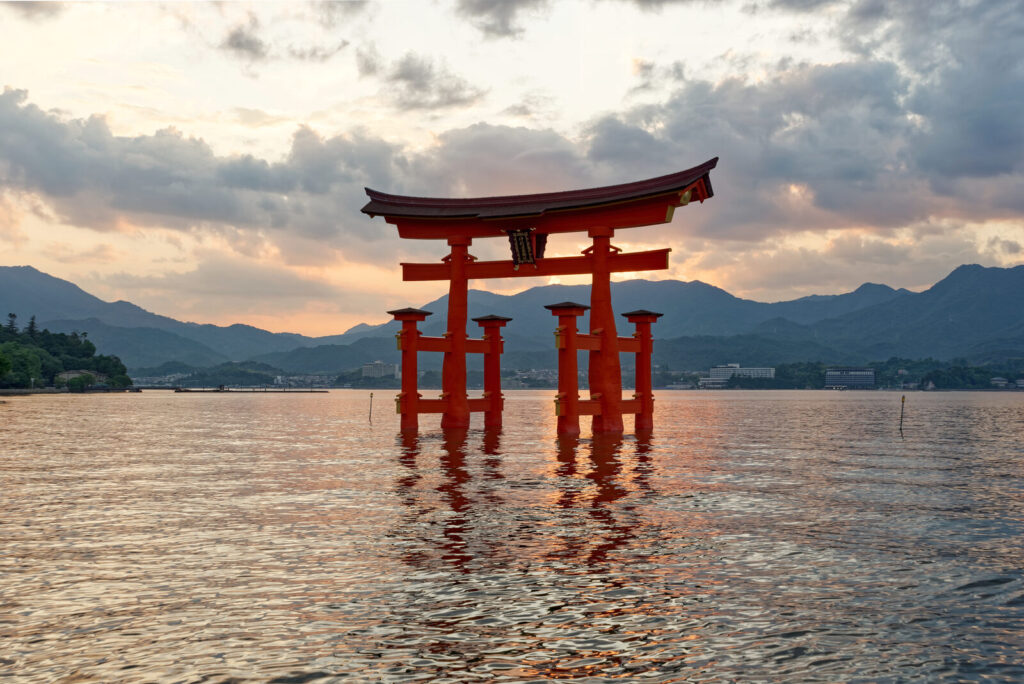
- Hiroshima & Miyajima (1–2 days). The Peace Memorial Park and Museum, then the floating Itsukushima torii at high tide on Miyajima island. Easy by Shinkansen from Osaka or Kyoto.
- Hokkaido (3+ days). Best in winter for Sapporo, powder skiing in Niseko and the snow festival, or in summer for Furano’s flower fields and cool, hike-friendly weather. It needs a domestic flight, so commit a few days.
- Okinawa (3+ days). Subtropical beaches, Ryukyu culture and reefs — a different Japan entirely, and a flight away. Pair it with a city, not squeezed into a packed loop.
- The Japan Alps (2–3 days). Takayama’s old town, the thatched farmhouses of Shirakawa-go and the Kamikochi valley, slotting neatly between Tokyo and Kyoto.
How many days for… different travellers
First-timers
Aim for 10–14 days and stick to Honshu. Resist adding Hokkaido or Okinawa on a first trip — the flights cost you days you’d rather spend in Kyoto. The Golden Route plus Hakone is the highest-reward, lowest-stress plan.
Families
Plan 10–12 days and base in fewer hubs to cut packing and unpacking. Kids do brilliantly in Japan — Nara’s deer, Osaka’s aquarium and Universal Studios, teamLab in Tokyo and a Shinkansen ride that counts as an attraction in itself. Build in slower mornings; jet lag with children is real.
Cherry blossom & autumn trippers
Give yourself 10–14 days in late March–early April (sakura) or November (autumn colour) so a few rainy or “not-quite-peak” days don’t wreck the trip. Both seasons move north to south at different speeds, so an itinerary that spans cities increases your odds of catching peak somewhere. Book early — these are Japan’s busiest, priciest weeks.
When to go & getting around
The length of your trip and the season interact: shoulder seasons are forgiving, peak weeks reward longer stays. For the full month-by-month breakdown, see our guide to the best time to visit Japan. On the ground, the Shinkansen and well-signed metro systems make Japan one of the easiest countries to travel independently — but reserved seats, ryokan bookings and pass logistics during peak season are exactly where things get fiddly. That’s where a good local partner earns its fee: see why it pays to use a DMC in Japan.
Frequently asked questions
Is 7 days enough for Japan?
Yes, 7 days is enough for a focused first trip along the Golden Route — Tokyo, Kyoto and Osaka, with a day in Nara or Hakone. You’ll see the icons but move fairly quickly. If you can stretch to 10 days, do it; the extra time turns a busy trip into a relaxed one.
What is the ideal number of days in Japan?
For most first-time visitors, 10 to 14 days is ideal. It covers Tokyo, Kyoto, Osaka and Nara comfortably and leaves room for Hakone and a side trip such as Hiroshima and Miyajima, without the trip feeling rushed.
How many days do you need in Tokyo?
Plan 3 to 4 days in Tokyo. Three days cover the main districts — Asakusa, Shibuya, Shinjuku, Harajuku and Akihabara — while a fourth day lets you add teamLab, the Tsukiji market or a day trip to Mount Fuji or Nikko.
How many days do you need in Kyoto?
Allow 2 to 3 days in Kyoto. Two days hit Fushimi Inari, Kinkaku-ji, Arashiyama and Gion; a third day adds the eastern Higashiyama temples and a half-day trip to Nara. Kyoto rewards a slower pace more than any other Japanese city.
Can you see Japan in 2 weeks?
Two weeks is plenty to see the best of Japan. You can cover Tokyo, Hakone, Kyoto, Osaka and Nara at a comfortable pace and still add Hiroshima and Miyajima or the Japan Alps. Save Hokkaido or Okinawa for a return trip, since both require domestic flights.
How many days do you need in Japan with kids?
For a family trip, 10 to 12 days works best. Base yourselves in two or three hubs to limit packing, build in slower mornings for jet lag, and lean on kid-friendly highlights like Nara’s deer, Osaka’s aquarium and Universal Studios, and Tokyo’s teamLab.
Plan your Japan trip
Once you’ve settled on how many days you have, the real work is sequencing cities, timing the Shinkansen and locking in ryokan and reserved seats before peak season fills up. That’s what we do every day. Explore our Japan DMC services to see how we build itineraries for agents and groups, or contact us with your dates and travel style and we’ll map a route around the days you’ve got.
Hero photo: Jakub Halun / Wikimedia Commons, CC BY 4.0.

Travel DMC Group
Travel DMC Group is a B2B destination management company handling ground services — hotels, transfers, guided tours, MICE and group logistics — across Asia, the Middle East and the Caucasus. These guides are written by our in-house operations and product team from first-hand experience running group departures.
Recommended Posts
Best Time to Visit Japan: A Month-by-Month Guide (2026)
June 22, 2026

What Is SIC in Travel? SIC Full Form, Meaning and How SIC Transfers Work
September 9, 2026