
Best Time to Visit Japan: A Month-by-Month Guide (2026)
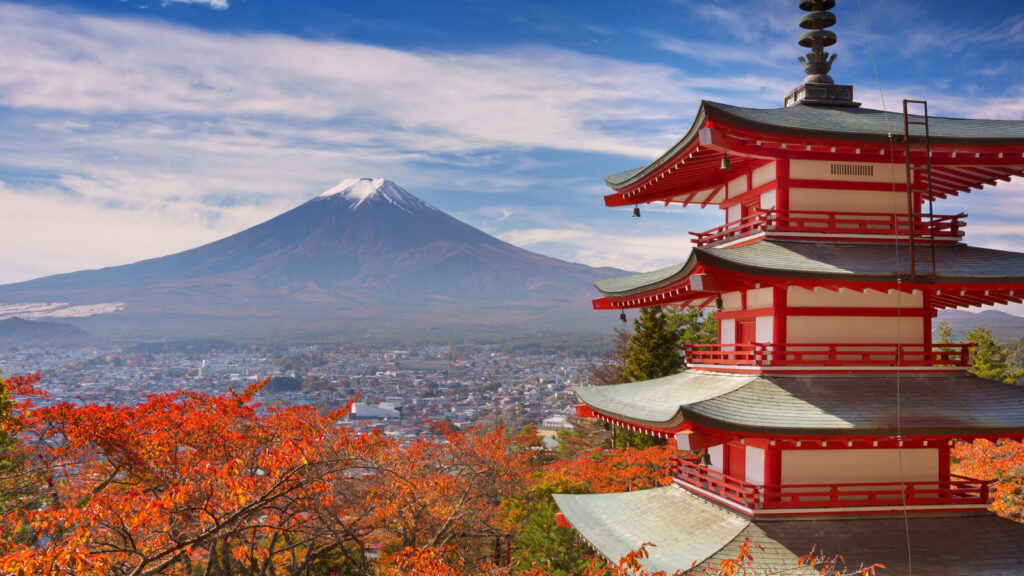
The short answer most travellers want: the best time to visit Japan is spring (late March to early April) for cherry blossom, and autumn (October to November) for the maple foliage. Those two windows give you mild, dry weather and the scenery the country is famous for — which is exactly why they are also the busiest and priciest. Japan is a year-round destination, though, and the “right” month really depends on what you came for: skiing in Hokkaido, climbing Mt Fuji, chasing summer festivals, or simply travelling on a budget without the crowds.
This is a month-by-month guide we use when we plan trips for clients. It covers the four seasons, how cherry blossom timing shifts from south to north, the rainy season and typhoon risk, and the crowd spikes — Golden Week and Obon — that catch a lot of first-timers out.
Japan weather & seasons month by month
| Month | Temperature & season | Highlights | Crowds |
|---|---|---|---|
| January | Cold, dry winter (Tokyo ~2–10°C) | Peak ski season, snow, onsen, clear Fuji views | Moderate (busy at New Year & ski resorts) |
| February | Cold winter, snowy north | Sapporo Snow Festival, skiing, plum blossoms | Low–moderate |
| March | Cool, warming (Tokyo ~6–14°C) | Cherry blossom begins late March in the south | Rising fast late month |
| April | Mild spring | Cherry blossom peak in Tokyo/Kyoto; Golden Week begins ~29 Apr | Very high |
| May | Warm, pleasant | Lush greenery, blossom in the north; great hiking | High during Golden Week, then eases |
| June | Warm, humid; rainy season (tsuyu) | Hydrangeas, fewer tourists, lower prices | Low |
| July | Hot, humid (Tokyo ~25–31°C) | Mt Fuji climbing opens; summer festivals fireworks | Moderate |
| August | Hot, humid; typhoon risk | Festivals, fireworks, beaches; Obon mid-month | High around Obon |
| September | Warm, easing; peak typhoon risk | Early autumn, fewer crowds | Low–moderate |
| October | Cool, dry, comfortable | Autumn foliage begins in the north | Moderate, rising |
| November | Cool, crisp, dry | Autumn leaves peak in Kyoto & Tokyo | High |
| December | Cold, dry winter | Illuminations, early skiing, clear skies | Moderate (busy at New Year) |
Japan has four distinct seasons and the climate changes sharply along the length of the country. When central Japan is in full cherry blossom, Hokkaido in the far north is still cold, and Okinawa in the south is already warm. Use the table as a starting point, then narrow it down to the experience you want below.
Spring & cherry blossom season
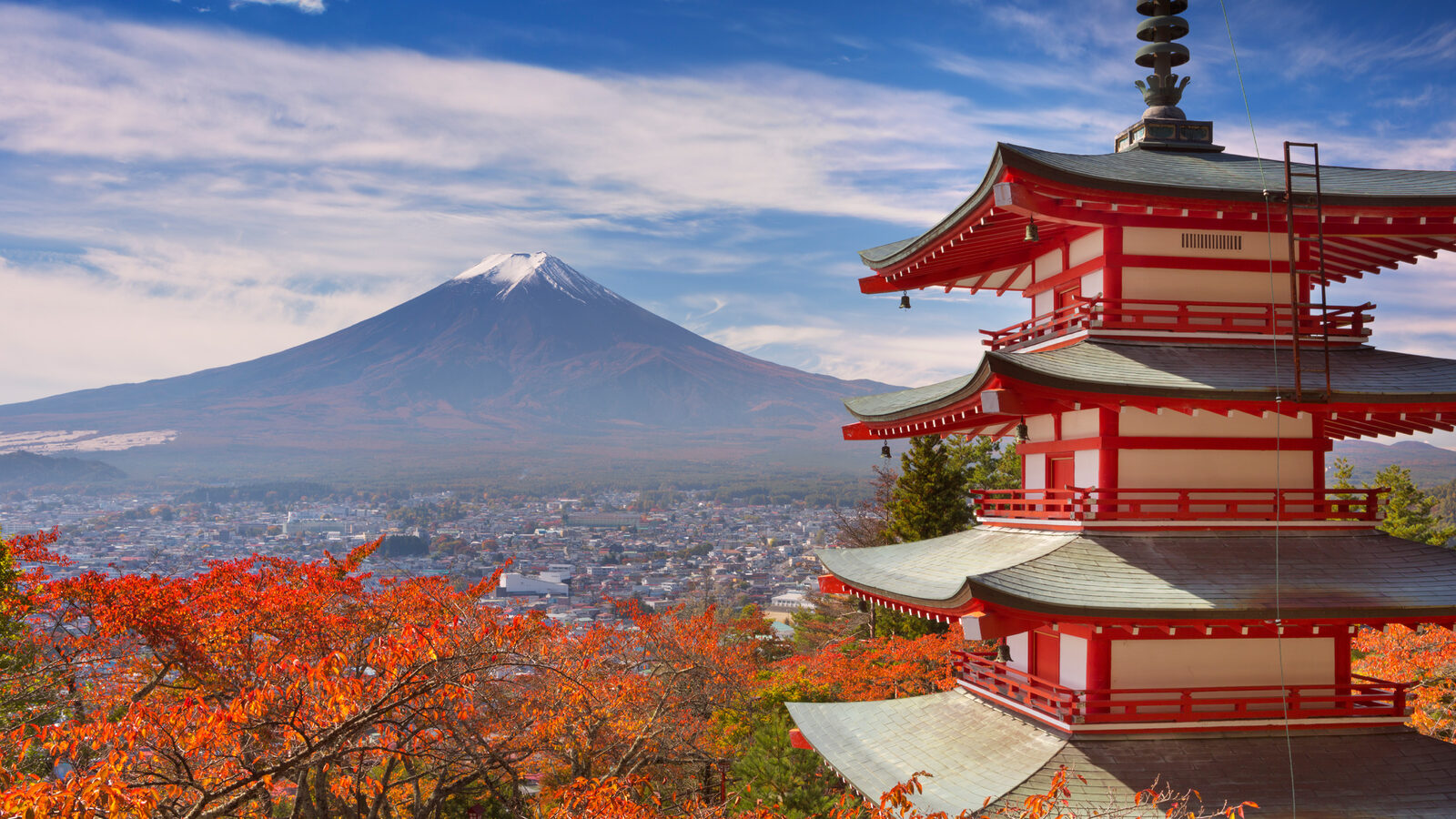
Spring is the postcard version of Japan, and cherry blossom (sakura) is the reason most people book it. The bloom follows a “cherry blossom front” that moves up the country from the warm south to the cool north. As a rough guide:
- Late March: blossom opens in southern cities such as Fukuoka and Hiroshima.
- Late March – early April: Tokyo, Kyoto and Osaka usually hit full bloom — the classic window.
- Late April – early May: the front reaches Tohoku and Hokkaido in the north.
Full bloom only lasts about one week at each location, and the exact dates shift a little every year with the weather, so it is impossible to guarantee. That is the catch with sakura: demand for late-March and early-April travel is enormous, hotels in Kyoto and Tokyo sell out months ahead, and prices climb. If cherry blossom is your priority, book flights and hotels four to six months in advance and build in a few days of buffer so you can chase the bloom if it runs early or late.
Autumn foliage — the other sweet spot
If you want spring weather without spring’s frenzy, come in autumn. The maple and ginkgo foliage (koyo) is every bit as photogenic as cherry blossom, the skies are clear and dry, and the heat of summer has gone. The colour front moves the opposite way — from north to south — so timing is easy to plan around:
- Late September – October: colour starts in Hokkaido and the mountains of the Japan Alps.
- Mid-to-late November: peak foliage in Kyoto, Tokyo and most of central Japan.
- Early December: the last colour lingers in southern and lowland areas.
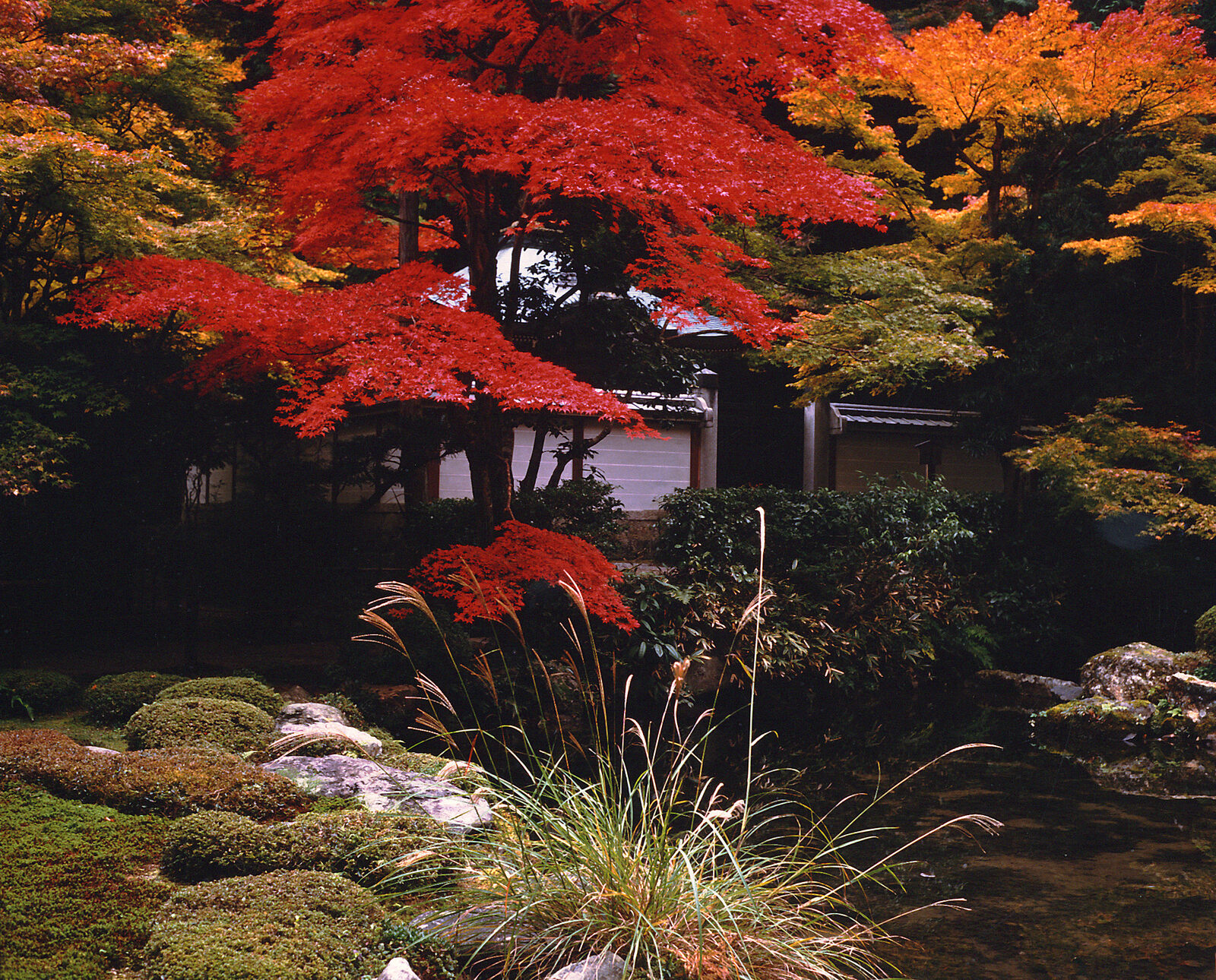
Kyoto in mid-November is the headline event and gets very busy at temples like Tofukuji and Eikando, but autumn spreads its crowds over a longer window than the one-week sakura rush, so it generally feels calmer. Still worth booking well ahead for the best hotels.
Summer & winter: festivals, Mt Fuji, snow and onsen
Summer (June–September)
Summer starts with the rainy season (tsuyu), which runs through roughly June into mid-July across most of the country (Hokkaido is largely spared). It is not constant rain — you still get sunny days — but humidity is high. July and August are hot and sticky, with city temperatures regularly hitting 30–35°C. The pay-off is the season of summer festivals (matsuri) and spectacular fireworks displays, plus the only window when you can climb Mt Fuji: the official season runs from early July to early September. Watch the calendar for typhoons, which are most likely from August into September and can disrupt flights and trains.
Winter (December–February)
Winter is dry, often sunny, and cold — and badly underrated. Hokkaido and the Japan Alps (around Nagano and Niigata) get some of the most reliable powder snow on earth, making December to February prime ski and snowboard season. It is also onsen (hot spring) season at its best: soaking in an outdoor bath while it snows is one of Japan’s great experiences. Cities like Tokyo and Kyoto stay relatively mild and uncrowded outside the New Year holiday, and the cold, clear air gives the sharpest Mount Fuji views of the year.
Best time to visit Japan for…
- Cherry blossoms: late March to early April for Tokyo and Kyoto; late April–early May if you head north.
- Autumn leaves: mid-to-late November for Kyoto and central Japan; October for Hokkaido and the mountains.
- Skiing & snow: January and February for the most reliable powder in Hokkaido and the Japan Alps.
- Hiking & climbing Mt Fuji: July to early September (the only time the official Fuji trails are open).
- Summer festivals & fireworks: July and August.
- Budget & fewer crowds: June (rainy season) and September give the lowest prices and the quietest sights — just pack a rain jacket and stay flexible.
Crowd & price warnings: Golden Week, Obon & sakura peak
Three periods reliably send domestic demand — and prices — through the roof. Plan around them:
- Cherry blossom peak (late March–early April): the busiest international window. Book hotels and flights months ahead.
- Golden Week (late April–early May): a cluster of national holidays when the whole country travels at once. Trains, flights and hotels are jammed and expensive; sights are packed.
- Obon (around mid-August): a major holiday when many Japanese return to their hometowns. Transport books out and prices spike.
If you are not specifically chasing blossom, travelling just before or after these dates makes a big difference to both your budget and your sanity.
How many days do you need, and getting around
A first trip that covers Tokyo, Kyoto and one or two extras (Osaka, Hakone, Nara, or Hiroshima) works well over 10 to 14 days. A week is enough for Tokyo plus Kyoto if you keep it tight. Japan’s rail network does the heavy lifting — the shinkansen (bullet train) links the main cities — and a Japan Rail Pass can pay off if you are covering long distances. During the peak windows above, reserve your bullet-train seats and intercity travel well in advance.
Getting the seasonal timing, the routing and the reservations right is the hard part, and it is what a destination management company handles day to day. For how the on-the-ground logistics work, see our Japan DMC services and the explainer on why use a DMC in Japan.
Frequently asked questions
What is the best month to visit Japan?
April for cherry blossom and November for autumn foliage are the two best months overall — mild, dry weather and Japan at its most scenic. If you want the same good weather with fewer crowds, May and October are excellent alternatives.
When is cherry blossom season in Japan?
Cherry blossom season runs from late March to early April in Tokyo, Kyoto and Osaka, starting earlier in the south (late March in Fukuoka) and later in the north (late April to early May in Hokkaido). Full bloom lasts only about a week in any one place, and exact dates vary each year with the weather.
What is the cheapest time to visit Japan?
June (the rainy season) and early-to-mid September are usually the cheapest, with lower airfares and hotel rates and far fewer tourists. Avoid the New Year period, Golden Week (late April–early May) and Obon (mid-August), when domestic demand pushes prices up sharply.
When is the best time for autumn leaves in Japan?
Mid-to-late November is the peak for autumn foliage in Kyoto, Tokyo and most of central Japan. The colour appears earlier — from late September into October — in Hokkaido and the higher mountains, so plan north-to-south as the season progresses.
When can you ski in Japan?
The ski season runs roughly from December to March, with January and February offering the most reliable powder snow in Hokkaido (Niseko) and the Japan Alps around Nagano and Niigata. Some high-altitude resorts stay open into April.
What is the worst time to visit Japan?
There is no truly bad time, but the trickiest windows are mid-July to August (hot, humid, with peak typhoon risk into September) and the Golden Week and Obon holidays, when crowds and prices peak. If you dislike heat and crowds, skip high summer and those holiday clusters.
Plan your Japan trip
Whatever season you choose, the difference between a good Japan trip and a great one is in the planning — timing the bloom or the foliage, booking ahead of the crowds, and getting the routing right. As a Japan-focused DMC we put all of that together for travel agents and private groups. Contact our team to start planning, or read more about our Japan DMC services.

Travel DMC Group
Travel DMC Group is a B2B destination management company handling ground services — hotels, transfers, guided tours, MICE and group logistics — across Asia, the Middle East and the Caucasus. These guides are written by our in-house operations and product team from first-hand experience running group departures.
Recommended Posts
How Many Days Do You Need in Japan? (2026 Guide)
June 22, 2026