

Best Time to Visit South Korea: A Month-by-Month Guide (2026)
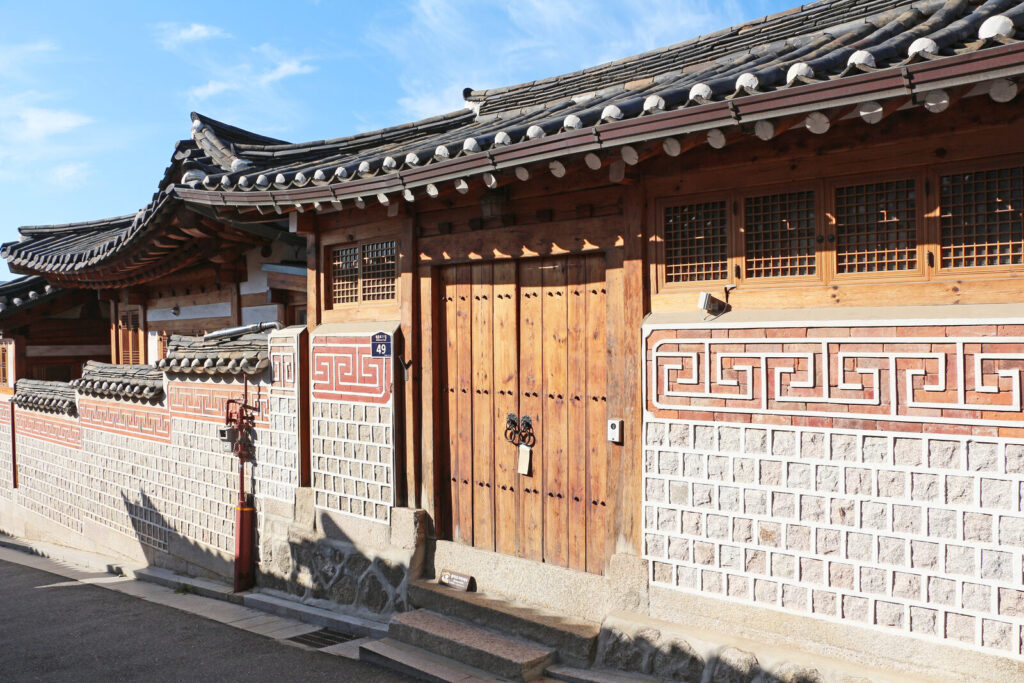
The short answer most travellers want: the best time to visit South Korea is spring (late March to mid-April) for cherry blossom, and autumn (October to early November) for the foliage. Both windows bring mild, dry, sunny weather and the scenery the country is famous for — which is exactly why they are also the most popular and the priciest. South Korea works year-round, though, and the right month really depends on what you came for: skiing in winter, hiking in the crisp autumn, chasing summer festivals and K-pop, or simply travelling on a budget without the crowds.
This is a month-by-month guide we use when we plan trips for clients. It covers the four seasons, how the cherry blossom and foliage timing shifts across the country, the humid summer monsoon (jangma) and typhoon risk, and the holiday crowd spikes — Chuseok and Seollal — that catch a lot of first-timers out.
South Korea’s four seasons, month by month
| Month | Temperature & season | Highlights | Crowds |
|---|---|---|---|
| January | Cold, dry winter (Seoul ~−6 to 2°C) | Peak ski season, snow, winter illuminations | Low–moderate (busy at Seollal) |
| February | Cold winter, snowy | Skiing, ice fishing festivals, fewer tourists | Low (spikes at Lunar New Year) |
| March | Cool, warming (Seoul ~3–11°C) | Early spring; first cherry blossom in the south late month | Rising late month |
| April | Mild, pleasant spring | Cherry blossom peak in Seoul; spring flower festivals | Very high |
| May | Warm, dry, comfortable | Lush greenery, lantern festival, great hiking | Moderate–high |
| June | Warm, humid; monsoon arrives late month | Beaches warming up; lower prices early month | Low–moderate |
| July | Hot, humid; monsoon (jangma) peak | Music festivals, indoor sights; heavy rain spells | Low |
| August | Hot, humid; typhoon risk | Beaches, summer festivals, mountain escapes | High (Korean holiday season) |
| September | Warm, easing; some typhoon risk | Early autumn, comfortable; Chuseok holiday | Spikes around Chuseok |
| October | Cool, dry, sunny | Autumn foliage peaks; ideal hiking weather | High |
| November | Cool, crisp, dry | Late foliage in the south; clear skies | Moderate, easing |
| December | Cold, dry winter | Winter illuminations, early skiing, markets | Moderate |
South Korea has four distinct seasons and a relatively compact geography, so the weather is fairly consistent across the mainland — though the far south and the island of Jeju are milder year-round, and the mountains in the east hold snow longest. Use the table as a starting point, then narrow it down to the experience you want below.
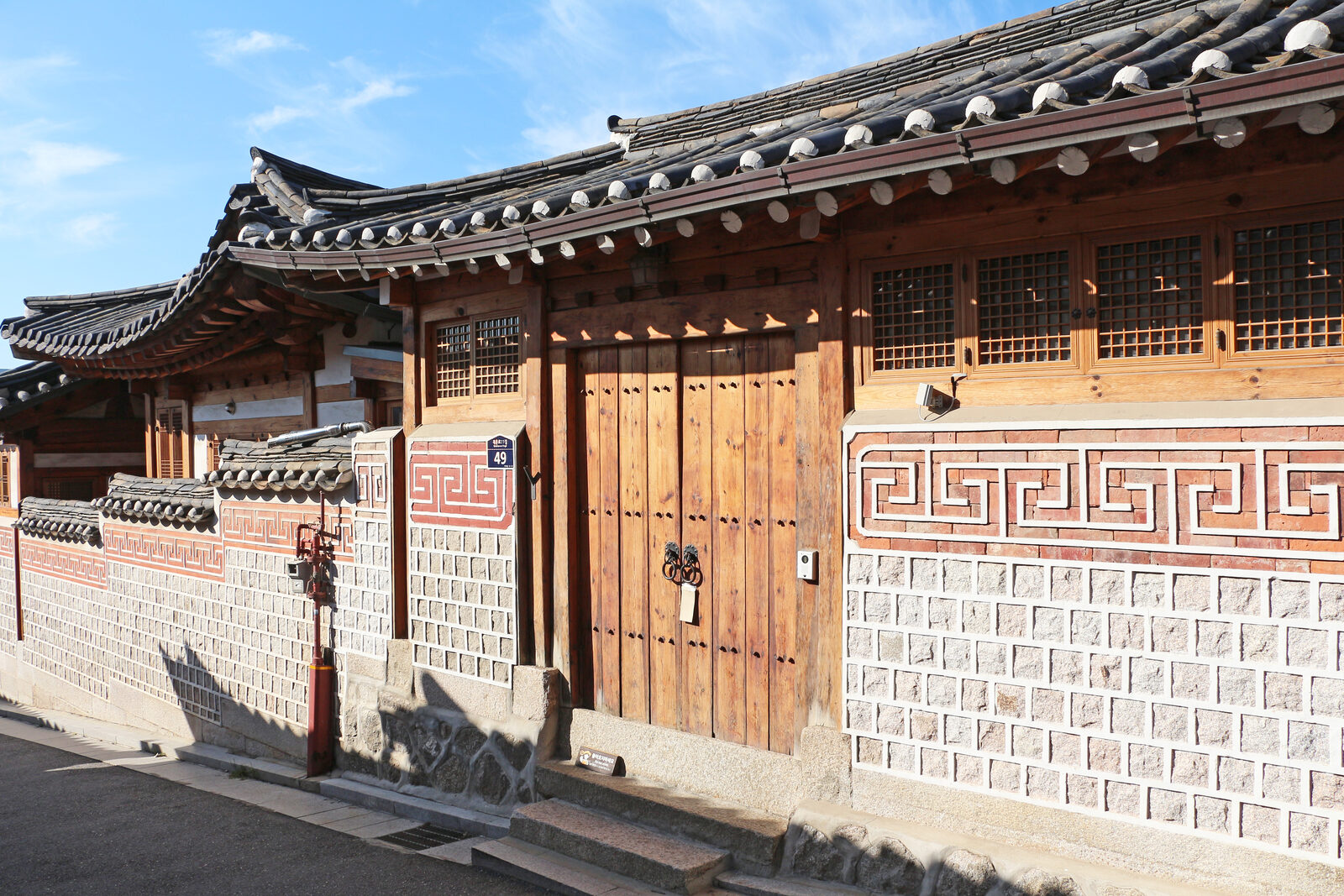
Spring & cherry blossom season
Spring is the postcard version of South Korea, and cherry blossom (beot-kkot) is the reason most people book it. The bloom follows a front that moves up the country from the warm south to the cooler capital region. As a rough guide:
- Late March: blossom opens first on Jeju and in southern cities such as Busan and Gyeongju.
- Early-to-mid April: Seoul usually hits full bloom — the classic window for the palaces, Yeouido and the Han River.
- Mid-to-late April: the bloom reaches the higher and more northern areas last.
Full bloom only lasts about a week at each location, and the exact dates shift a little every year with the weather, so it is impossible to guarantee. That is the catch with the cherry blossom: demand for late-March and April travel is enormous, hotels in Seoul and Busan sell out months ahead, and prices climb. If blossom is your priority, book flights and hotels four to six months in advance and build in a few days of buffer so you can chase the bloom if it runs early or late. Spring weather is otherwise close to ideal — mild, dry days that are perfect for sightseeing.
Autumn foliage — the other sweet spot
If you want spring’s weather without spring’s frenzy, come in autumn. The maple and ginkgo foliage (danpung) is every bit as photogenic as cherry blossom, the skies are clear and dry, and summer’s heat and humidity have gone. The colour front moves the opposite way — from the northern mountains down to the south — so timing is easy to plan around:
- Early-to-mid October: colour starts in the northern and eastern mountains, including Seoraksan National Park.
- Mid-to-late October: peak foliage around Seoul, the palaces and central Korea.
- Early November: the last colour lingers in the south and on Jeju.
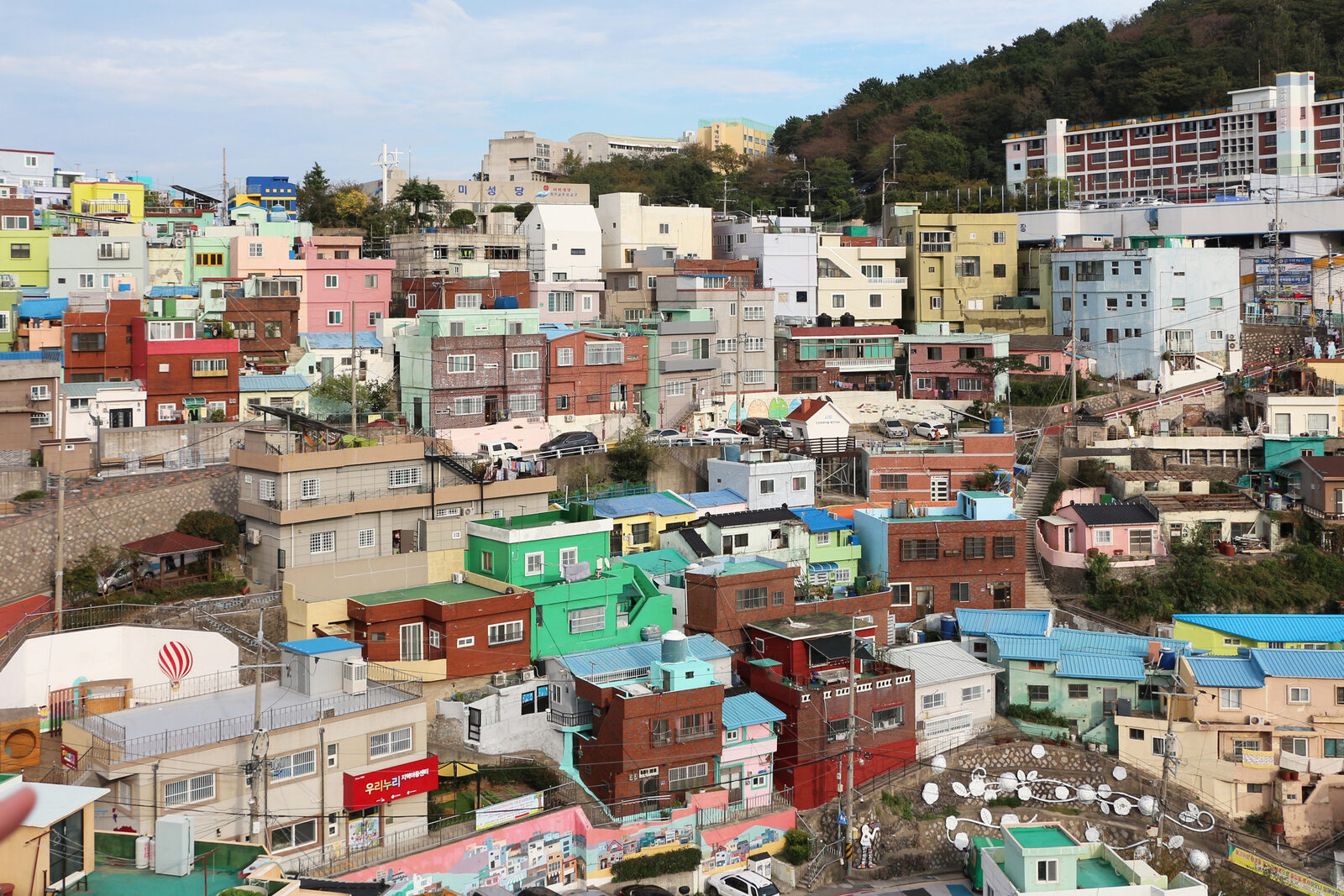
October is comfortably the best month for hiking in South Korea, and the country’s mountain national parks are at their busiest. Foliage spreads its crowds over a longer window than the one-week blossom rush, so it generally feels calmer — but the weekends at Seoraksan and the popular Seoul palaces still get packed, and the best hotels go early.
Summer (monsoon & festivals) & winter (snow, ski, illuminations)
Summer (June–August)
Summer is hot, humid and the wettest time of year. The monsoon, known locally as jangma, typically sets in from late June and runs through July, bringing concentrated spells of heavy rain rather than constant drizzle — you still get sunny days in between, but humidity is high. July and August temperatures regularly sit in the low-to-mid 30s°C. The pay-off is a packed festival calendar — from mud festivals to major music events — and lively beaches in Busan and on Jeju. Keep an eye on the calendar for typhoons, which are most likely from August into September and can disrupt flights and ferries. Early June, before the rains, is an underrated and quieter window.
Winter (December–February)
Winter is cold and dry, and badly underrated. The eastern mountains around Pyeongchang — host of the 2018 Winter Olympics — deliver reliable snow, making December to February prime ski and snowboard season at resorts an easy day trip or short transfer from Seoul. Cities stay walkable: Seoul is cold but largely snow-free for long stretches, and the season’s winter illuminations, light festivals and warm street-food markets give it real atmosphere. Jeju and the southern coast are noticeably milder, so winter is a fair time to visit the island. Pack properly for the wind chill and you will share the sights with far fewer people than in spring or autumn.
Best time to visit South Korea for…
- Cherry blossoms: late March on Jeju and in the south; early-to-mid April for Seoul.
- Autumn leaves: mid-to-late October for Seoul and central Korea; early October for the northern mountains; early November in the south.
- Skiing & snow: January and February for the most reliable snow at the resorts near Pyeongchang.
- Hiking: October is the standout — clear, cool and dry — with May a close second.
- Festivals & K-culture: summer for the big music and outdoor festivals; spring and autumn for cultural events and the best concert weather.
- Budget & fewer crowds: late autumn (November), winter outside the Seollal holiday, and early June give the lowest prices and the quietest sights.
Crowd & price notes: cherry blossom peak, Chuseok & Seollal
A few periods reliably send demand — and prices — through the roof. Plan around them:
- Cherry blossom peak (late March–April): the busiest international window. Book hotels and flights months ahead.
- Chuseok (Korean Thanksgiving, around mid-September to early October): a major three-day holiday when many Koreans travel to their hometowns. Transport and domestic flights book out, some shops and attractions close, and prices spike. The exact dates move each year with the lunar calendar.
- Seollal (Lunar New Year, late January or February): the other big family holiday, with the same closures and crowded transport. Again, dates shift each year.
If you are not specifically chasing blossom, travelling just before or after these dates makes a big difference to both your budget and how smoothly things run. We always check a client’s dates against the lunar holidays before locking in domestic travel.
How many days do you need, and getting around
A first trip that covers Seoul plus one or two extras (Busan, Gyeongju, or Jeju) works well over 7 to 10 days. Five or six days is enough for Seoul and a couple of day trips if you keep it tight; add a few more for Jeju or the south. The country is easy to cover — the high-speed KTX train links Seoul, Busan and the major cities in a few hours, intercity buses fill the gaps, and Jeju is a short domestic flight. During the peak windows above, reserve KTX seats and domestic flights well in advance.
Getting the seasonal timing, the routing and the reservations right is the hard part, and it is what a destination management company handles day to day. For how the on-the-ground logistics work, see our South Korea DMC services and our South Korea group tour options.
Frequently asked questions
What is the best month to visit South Korea?
April and October are the two best months. April brings cherry blossom and mild spring weather, while October offers clear skies, comfortable temperatures and peak autumn foliage. Both are dry and sunny — and the most popular, so book ahead. If you want lower prices and fewer crowds, late autumn and winter are good alternatives.
When is cherry blossom season in Korea?
Cherry blossom season runs from late March to mid-April, starting earlier in the south (late March on Jeju and in Busan) and reaching Seoul in early-to-mid April. Full bloom lasts only about a week in any one place, and exact dates vary each year with the weather.
What is the cheapest time to visit South Korea?
Late autumn (November) and winter — outside the Seollal holiday — are usually the cheapest, with lower airfares and hotel rates and far fewer tourists. Early June, before the summer monsoon, is another good-value window. Avoid the cherry blossom peak, Chuseok and Seollal, when demand pushes prices up sharply.
When is the best time for autumn leaves in South Korea?
Mid-to-late October is the peak for autumn foliage in Seoul and central Korea. Colour appears earlier — from early October — in the northern and eastern mountains such as Seoraksan, and lingers into early November in the south and on Jeju, so plan north-to-south as the season progresses.
When can you ski in South Korea?
The ski season runs roughly from December to February, with January offering the most reliable snow at the resorts around Pyeongchang, host of the 2018 Winter Olympics, which are an easy day trip or short transfer from Seoul. Some resorts open from late November and stay open into early March.
What is the best time to visit Jeju Island?
Spring (April to May) and autumn (October to early November) are the best times for Jeju, with mild, dry weather ideal for the coast, hiking Hallasan and the island’s gardens. Jeju is milder than the mainland year-round, so winter is also pleasant, while summer is hot, humid and the busiest with domestic holidaymakers.
Plan your South Korea trip
Whatever season you choose, the difference between a good South Korea trip and a great one is in the planning — timing the blossom or the foliage, booking ahead of the crowds, and working around the lunar holidays. As a South Korea-focused DMC we put all of that together for travel agents and private groups. Contact our team to start planning, or read more about our South Korea DMC services and group tours.

Travel DMC Group
Travel DMC Group is a B2B destination management company handling ground services — hotels, transfers, guided tours, MICE and group logistics — across Asia, the Middle East and the Caucasus. These guides are written by our in-house operations and product team from first-hand experience running group departures.
Recommended Posts
Best Time to Visit Japan: A Month-by-Month Guide (2026)
June 22, 2026
What Is SIC in Travel? SIC Full Form, Meaning and How SIC Transfers Work
September 9, 2026