

Best Time to Visit Saudi Arabia: A Month-by-Month Guide (2026)
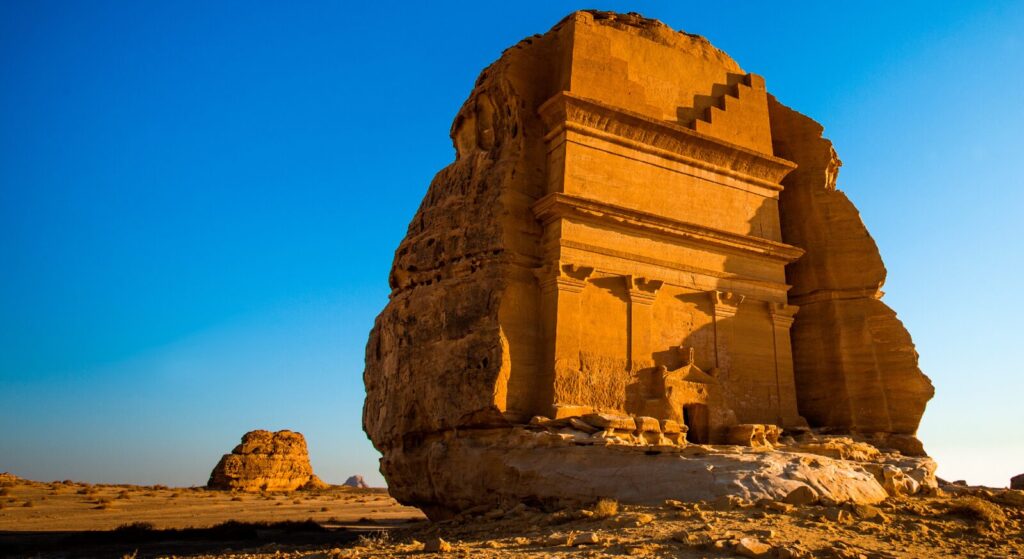
For a country that’s mostly desert, Saudi Arabia’s weather is more varied than people expect — but the timing advice is refreshingly simple. The best time to visit Saudi Arabia is November to March, when temperatures across the headline destinations — AlUla, Riyadh, Jeddah and the open desert — settle into a mild, comfortable range of roughly 15–28°C with clear skies. This is also when the big cultural seasons run, from AlUla’s winter festivals to Riyadh Season. The flip side is summer (May–September), when the interior and the plains routinely hit 40–45°C and beyond — uncomfortable for sightseeing, though there are two clever exceptions we’ll get to. Here’s the month-by-month breakdown and the best window for each kind of trip.
Saudi Arabia weather month by month
A quick at-a-glance guide. Saudi Arabia is large, so we’ve split it into the dry interior (Riyadh and the central plains), the desert-and-coast zone around AlUla and Jeddah, and the high Asir mountains in the southwest near Abha — which march to a completely different drummer.
| Month | Riyadh / interior | AlUla / Jeddah | Asir mountains | Crowds |
|---|---|---|---|---|
| Jan | Cool, 8–20°C | Mild & pleasant | Cold, can freeze at night | High (winter peak) |
| Feb | Cool, dry | Ideal sightseeing | Cold, crisp | High |
| Mar | Warming, comfortable | Warm, lovely | Mild, green starting | High |
| Apr | Warm, 20–33°C | Getting hot | Pleasant, blossoming | Moderate |
| May | Hot, 28–40°C | Hot | Warm days, cool nights | Low |
| Jun–Aug | Very hot, 40–45°C+ | Very hot; Red Sea warm | Green, misty, ~20–30°C | Low (Asir busy domestically) |
| Sep | Still hot, easing | Hot, humid coast | Lush, mild | Low |
| Oct | Cooling, comfortable | Warm, pleasant | Mild, clear | Rising |
| Nov–Dec | Mild, 15–28°C | Perfect sightseeing | Cold nights, crisp days | High (peak season) |
Peak season (November–March): the comfortable months
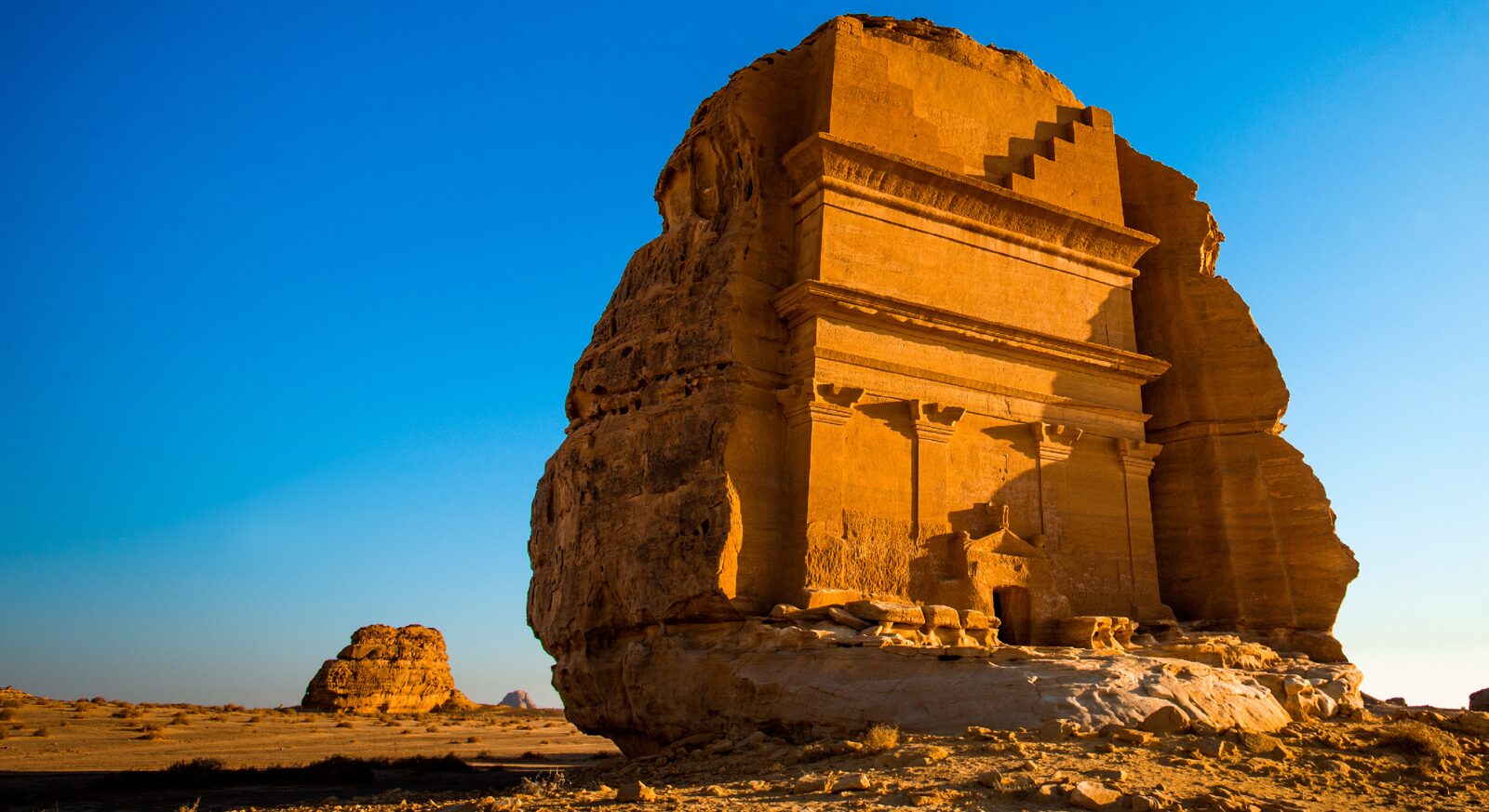
This is the window everything is built around. From November to March, daytime temperatures across the main sights are mild — think 20–28°C by day in AlUla and Jeddah, cooler in Riyadh, with cold desert and mountain nights. Skies are clear, the light is good for photography, and you can actually walk the rock-cut tombs of Hegra or wander Jeddah’s old town without wilting. It’s no coincidence that Saudi Arabia schedules its biggest cultural programming in these months: this is the high season for both visitors and the calendar of festivals. The trade-offs are higher hotel rates and busier sites at AlUla and the marquee events, so book accommodation and any AlUla experiences well ahead. Pack layers — winter nights in the desert and especially in the Asir highlands can drop close to freezing.
Summer (May–September): the heat — and where it still works
For most of the country, summer is genuinely punishing. Riyadh and the central plains sit at 40–45°C and frequently higher, AlUla bakes, and Jeddah adds coastal humidity to the heat. Daytime outdoor sightseeing becomes an early-morning-and-after-dark affair. But two exceptions make summer travel viable:
- The Asir mountains and Abha: in the cool, green southwest highlands (around 2,000–3,000m), summer is the best season — daytime temperatures often sit around 20–30°C, mist rolls through the terraced hills, and it’s the lushest, greenest the country gets. This is where Saudis themselves head to escape the heat, so Abha, the cable cars and the heritage villages of the region get busy with domestic visitors in July and August. Book hotels ahead and expect a holiday atmosphere rather than a quiet retreat.
- The Red Sea: the water stays warm and clear year-round, so diving and snorkelling off Jeddah, Yanbu and the wider Red Sea coast remain on the menu all summer — just plan water and shade around the land-side heat.
One more practical point about summer: if you do travel for the mountains or the coast, build the day around the heat. Sightseeing in the cities works best in the early morning and after dark, with the worst of the afternoon spent indoors — Saudi malls, museums and restaurants are all heavily air-conditioned. It’s a workable rhythm, but it’s the opposite of the relaxed, all-day exploring the winter months allow.
Best time to visit Saudi Arabia for…
- AlUla & Hegra: November–March, full stop. The mild months are when the desert, the tombs of Hegra (Saudi Arabia’s first UNESCO World Heritage Site) and Elephant Rock are comfortable to explore, and when AlUla’s festival season is in full swing.
- Riyadh & Diriyah: November–March for sightseeing at At-Turaif (the mud-brick birthplace of the Saudi state) and the Edge of the World cliffs, and to catch Riyadh Season. October and April are workable shoulders.
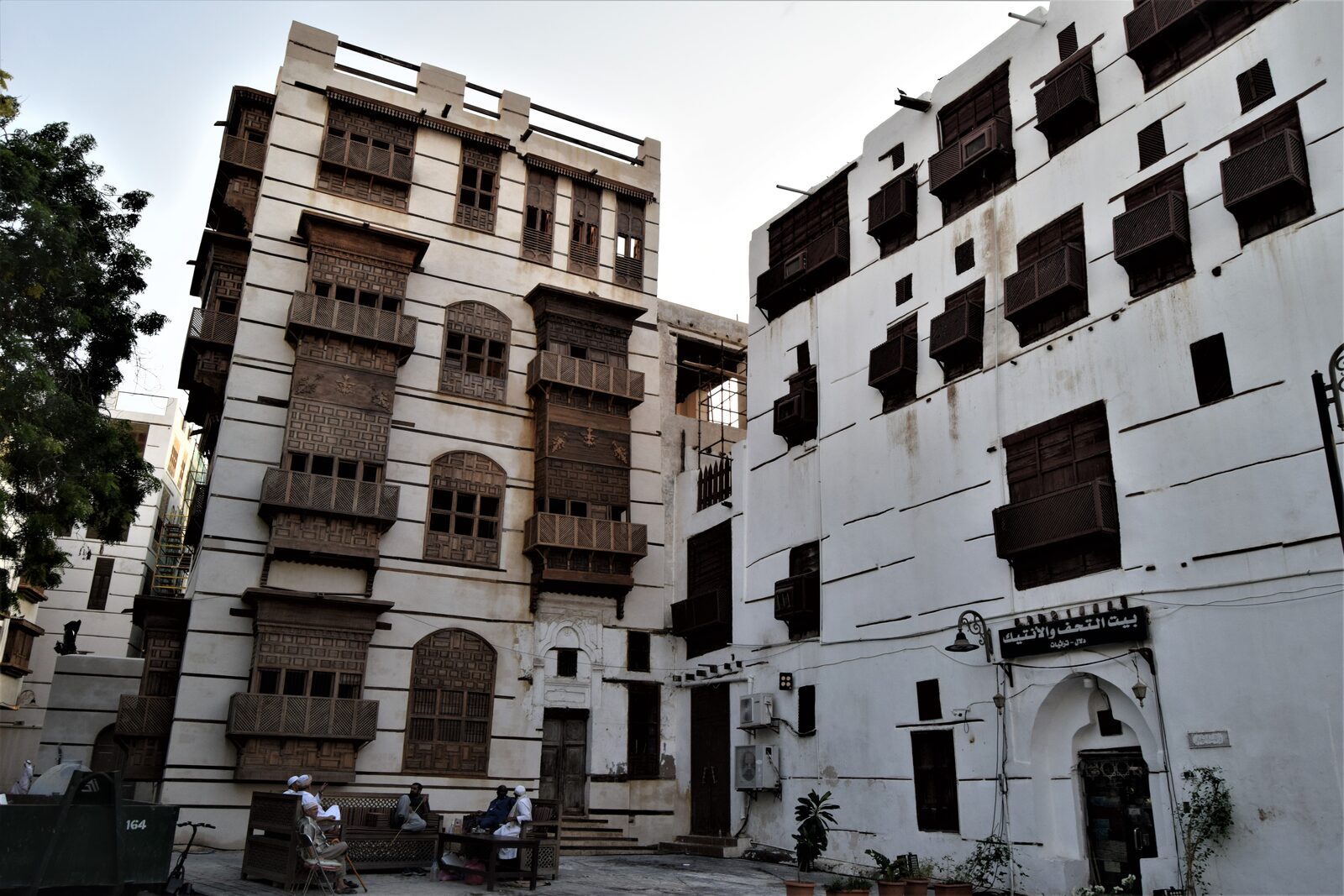
- Jeddah & the Red Sea: November–March for the old town of Al-Balad and the corniche; for diving, the Red Sea is good all year, including summer.
- The Asir mountains (Abha): June–September — the one place that’s at its best in high summer, cool and green.
- Budget & fewer crowds: the shoulder months of April and October, or summer if you’re focused on the mountains or diving — rates and crowds drop sharply outside the winter peak.
Ramadan, Umrah & the festival season
A few cultural notes that affect timing more than the weather does:
- Ramadan (dates shift each year): the holy month moves about 11 days earlier annually on the Gregorian calendar. During Ramadan, daytime hours are reduced — many restaurants and some attractions open later or only after sunset, and the rhythm of the day shifts toward the evening. It’s a fascinating time to visit, but plan around shorter daytime service and the lively post-sunset hours.
- Umrah is possible year-round: unlike the Hajj, which falls on fixed Islamic-calendar dates, Umrah pilgrimage to Makkah can be performed at any time of year, and the standard tourist e-visa now allows it.
- The festival season runs in the cool months: Saudi Arabia concentrates its headline events in roughly October–March — AlUla’s winter season of art, music and heritage events, and Riyadh Season, a months-long entertainment and culture festival in the capital. If events are part of your plan, the winter window is doubly rewarding.
How many days & getting around
Saudi Arabia is big, and the highlights are spread out, so distances drive your itinerary. A focused trip of 5–7 days covers one cluster well — say Riyadh and Diriyah, or AlUla on its own. 10–14 days lets you string together the classic triangle of Riyadh, AlUla and Jeddah, with domestic flights linking them. Entry is straightforward for many nationalities via the tourist e-visa or visa on arrival; for the practical rules on visas and group travel, see our guide to the Saudi Arabia tourist visa for groups. For tailor-made and group itineraries on the ground, our Saudi Arabia DMC services handle the logistics, transfers and permits end to end.
Frequently asked questions
What is the best month to visit Saudi Arabia?
November, December, February and March are the sweet spots — mild, dry days ideal for AlUla, Riyadh and Jeddah, plus the festival season. January is excellent too but the coldest, with near-freezing desert and mountain nights.
What is the cheapest time to visit Saudi Arabia?
Summer (May–September) is the lowest season for prices and crowds, because the heat keeps most leisure travellers away. The shoulder months of April and October offer the best balance of decent weather and lower rates than the winter peak.
Is summer too hot to visit Saudi Arabia?
For Riyadh, AlUla and the plains, yes — 40–45°C+ makes daytime sightseeing tough. But the high Asir mountains around Abha stay cool and green (about 20–30°C) and are at their best in summer, and the Red Sea is warm for diving year-round. Summer works if you tailor the trip to those.
When is the best time to visit AlUla?
November to March. The desert and the tombs of Hegra are comfortable to explore in the mild winter months, and this is when AlUla’s festival season of concerts, art and heritage events takes place. Summer is very hot and best avoided for AlUla.
When is the best time to visit the Red Sea in Saudi Arabia?
The Saudi Red Sea is good for diving and snorkelling all year, as the water stays warm. For combining the coast with land-based sightseeing in comfort, November–March is ideal; in summer, focus on the water itself and plan around the heat and humidity on land.
Can you visit Saudi Arabia during Ramadan?
Yes. Ramadan (dates shift each year) is a special time to visit, with atmospheric evenings after sunset. Just expect reduced daytime hours — many restaurants and some attractions open later or only after dusk — and be respectful of those fasting during the day.
Plan your Saudi Arabia trip
The short version: aim for November to March for AlUla, Riyadh and Jeddah; save the Asir mountains and Red Sea diving for summer; and check the Ramadan dates for your year. Whatever your window, getting the logistics right — permits, AlUla bookings, domestic flights and transfers — is what makes a Saudi itinerary run smoothly. As a Saudi Arabia destination specialist, we build tailor-made and group trips around exactly these seasons. Contact us to start planning, or explore our full Saudi Arabia DMC services.

Travel DMC Group
Travel DMC Group is a B2B destination management company handling ground services — hotels, transfers, guided tours, MICE and group logistics — across Asia, the Middle East and the Caucasus. These guides are written by our in-house operations and product team from first-hand experience running group departures.
Recommended Posts
Saudi Arabia Tourist Visa Guide for Group Travel (2026)
June 19, 2026
How to Check an AI-Built Itinerary Before You Sell It
October 20, 2026