

Best Time to Visit Hong Kong: A Month-by-Month Guide (2026)
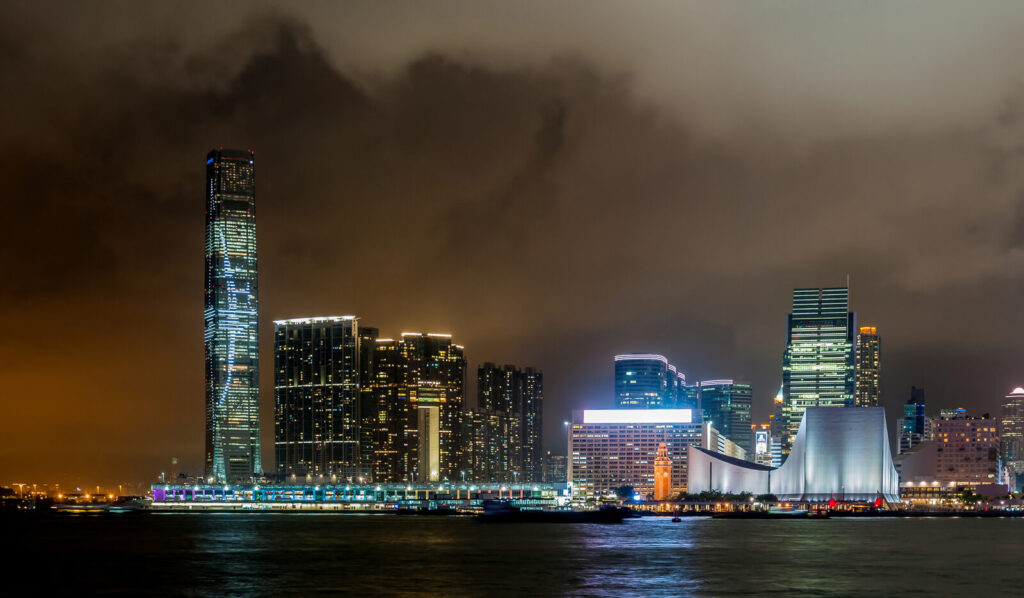
If you’re working out the best time to visit Hong Kong, here’s the straight answer from people who run trips here: autumn — roughly mid-October to early December — is the sweet spot. The summer rains have cleared, the air turns dry and noticeably clearer, skies are sunny, and temperatures settle into a comfortable 20–26°C. That combination is exactly what you want for the city’s signature views — the Peak, the harbour, the outlying islands — when the skyline actually shows up instead of hiding behind haze. Hong Kong is a year-round destination, but autumn is the season locals quietly guard for themselves.
We handle ground operations in the region, so this guide is built around what genuinely changes a trip — clear-sky days, humidity, the rainy season and typhoon risk, and the festival calendar — not just average temperatures that look identical in every column. Below you’ll find a month-by-month table, an honest take on each season, and the best months for skyline views, hiking, festivals, shopping and budget.
Hong Kong weather month by month
Hong Kong has a subtropical climate with four real seasons. Read the table by the weather and crowds columns — that’s what you’ll actually feel on the ground.
| Month | Temp (°C) | Weather | Crowds & notes |
|---|---|---|---|
| January | 14–18 | Cool, dry, sometimes grey | Quieter; busy around Chinese New Year build-up |
| February | 15–19 | Cool, dry, occasional fog | Chinese New Year (17 Feb 2026) — festive, some closures |
| March | 17–21 | Warming, humid, often foggy | Mild but hazy; skyline views can be lost in mist |
| April | 21–25 | Warm, humid, grey spells | Pleasant temps; frequent low cloud and drizzle |
| May | 24–29 | Hot, humid, rain increasing | Rainy season starts; Buddha’s Birthday (24 May 2026) |
| June | 26–31 | Hot, very humid, heavy rain | Wet season peak; first typhoons possible; Dragon Boat races |
| July | 27–32 | Hot, humid, downpours | Typhoon season; hottest stretch; indoor days fine |
| August | 27–32 | Hot, humid, storms | Peak typhoon risk; summer sales on |
| September | 26–31 | Hot, easing rain, still stormy | Typhoon risk lingers; Mid-Autumn Festival late month |
| October | 23–28 | Drying out, sunny, clearer | Best season begins; comfortable and bright |
| November | 19–24 | Dry, sunny, clear skies | Prime month; clear skyline views, great hiking |
| December | 15–20 | Cool, dry, mostly clear | Crisp and festive; WinterFest lights, Christmas markets |
Autumn (Oct–early Dec): the best season
If you only remember one thing, make it this: autumn is the best time to visit Hong Kong. From mid-October the heavy summer rains taper off, the humidity drops, and a steady northeasterly airflow brings the city its driest, clearest spell of the year. Temperatures sit in a very comfortable 20–26°C — warm enough for the islands and beaches, cool enough to walk and hike all day without wilting.
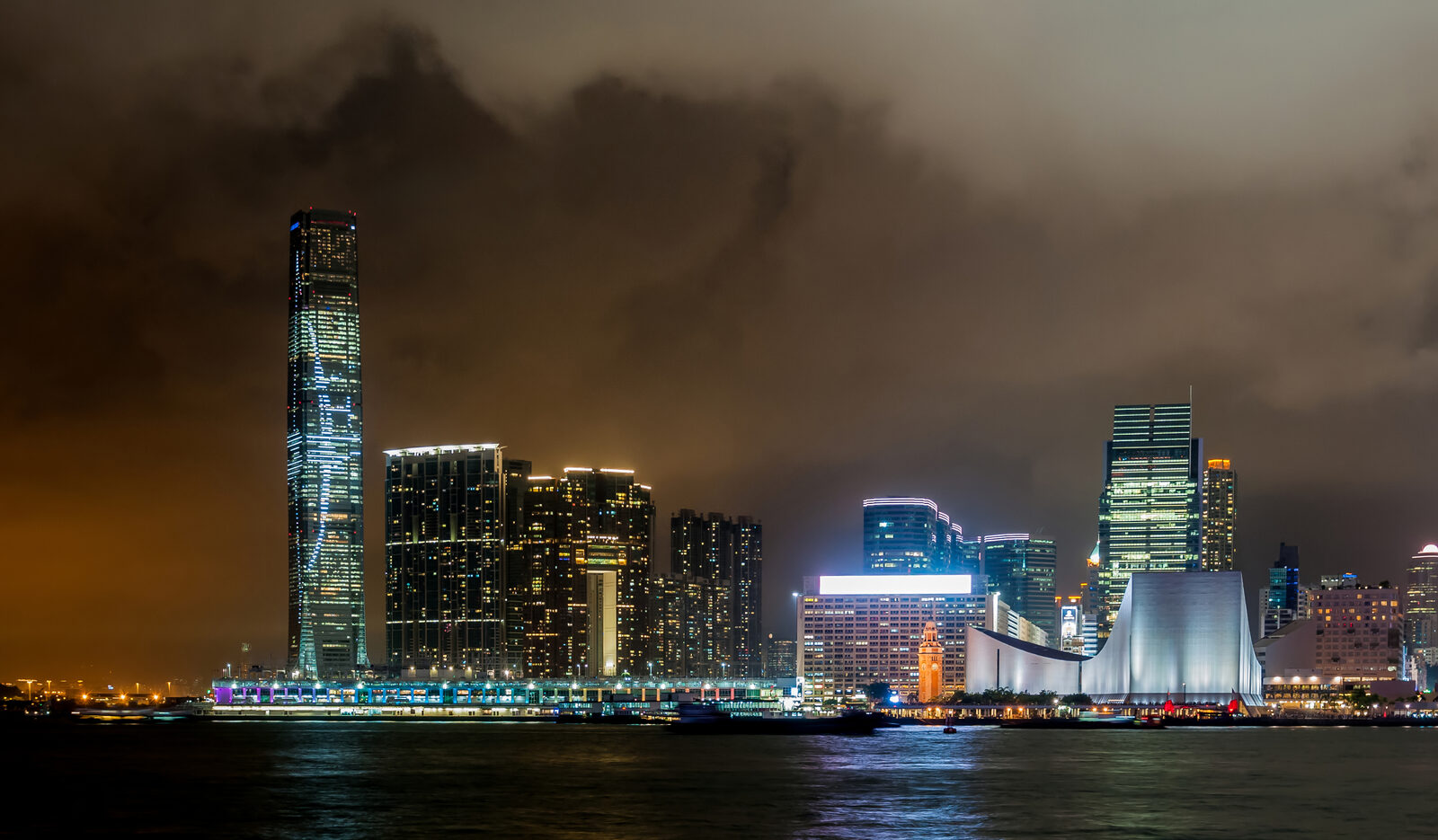
Crucially, autumn is when the views actually deliver. The haze that smudges the skyline through spring and summer lifts, so the panorama from Victoria Peak, the harbour-front Symphony of Lights, and the ridgelines above the city are all at their crispest. November in particular is many regulars’ single favourite month — reliably sunny, clear and dry. The trade-off is popularity: autumn is peak season, so book flights and well-located hotels early.
Spring, summer (typhoons & humidity) & winter
Spring (Mar–May): warming but grey
Spring is mild and the city greens up, but it’s the season most likely to disappoint view-hunters. As warm, moist air returns, Hong Kong gets humid, foggy and frequently overcast — March and April see a lot of low cloud, drizzle and mist that can hide the skyline entirely, sometimes for days. Temperatures are pleasant (high teens to mid-20s), so it’s fine for markets, museums and food, but don’t bank on a clear Peak view. By May the heat builds and the rainy season begins.
Summer (Jun–Aug): hot, humid, the rainy season
Summer is hot (often 31–33°C), very humid, and the wettest stretch of the year — June to August is the core of the rainy season, with heavy, sometimes prolonged downpours. It’s also typhoon season (see below), so a tropical cyclone can occasionally shut things down for a day or two. That said, summer is far from a write-off: “indoor Hong Kong” is superb in the heat. Dim sum, world-class shopping malls, museums, the MTR and air-conditioned everything make rainy or sticky days genuinely enjoyable. If you don’t mind sweat and you want lower hotel rates, summer works — just keep flexible indoor backups.
Winter (Dec–Feb): cool, dry, fewer crowds
Winter is cool and dry — typically 14–20°C, occasionally dipping lower on a cold snap. Skies are often clear, though some grey, hazy days creep in. It’s a comfortable time to hike (no heat, no humidity) and to explore on foot, and outside the Christmas–New Year and Chinese New Year peaks the crowds thin out. Pack a light jacket and a layer for the evenings; locals feel the chill more than the numbers suggest because of the damp air.
Best time to visit Hong Kong for…
…skyline views & The Peak
October to early December. Dry, clear autumn air gives the sharpest views from Victoria Peak and across Victoria Harbour. November is the safest bet for a haze-free skyline. Avoid March–April if the view is your priority — that’s the foggiest, greyest window.
…hiking & the outlying islands
Late October through February. Cool, dry, low-humidity days are ideal for the Dragon’s Back, Lantau and the country-park trails, and for boat trips to islands like Lamma and Cheung Chau. Summer is too hot and humid for serious hiking; autumn and winter are the trail seasons.
…festivals & Chinese New Year
Late January–February for Chinese New Year (17 February 2026) — fireworks over the harbour, a night parade, flower markets and an unbeatable atmosphere. Other highlights: the Mid-Autumn Festival (late September/early October) with the Tai Hang fire dragon dance, Dragon Boat races in June, and the WinterFest lights through December.
…shopping & sales
July–August for the summer sales, and late December into January for the winter sales, when the malls of Causeway Bay, Tsim Sha Tsui and Central run their deepest discounts. Hong Kong is duty-free, so it’s a strong shopping destination in any month — and a perfect rainy-day plan.
…budget travel
June to early September (excluding any public-holiday spikes). Hotel rates are softest in the hot, wet, low-season summer. You trade peak-season weather for noticeably better prices — fine if you’re happy to build the trip around indoor attractions and the odd storm.
Typhoon season & Chinese New Year — what to know
Typhoon season runs roughly July to September (with stragglers in June and October). When a tropical cyclone approaches, Hong Kong raises numbered warning signals — at Signal No. 8 and above, schools, most businesses, public transport and attractions shut down, and flights are often delayed or cancelled. The good news: the system is extremely well-drilled and storms usually pass within a day or two. If you travel in summer, build in buffer days, keep travel insurance, and monitor the Hong Kong Observatory’s warnings. It’s a risk to plan around, not a reason to avoid the season entirely.
Chinese New Year (17 February 2026, with festivities running several days) is one of the most atmospheric times to visit — fireworks, a night parade in Tsim Sha Tsui, flower markets and a city in celebration. The trade-off is that many smaller shops and family-run restaurants close for two to three days, and demand pushes up flight and hotel prices. Major attractions, malls and chain restaurants stay open, so with a little planning you get the spectacle without much inconvenience.
How many days & getting around
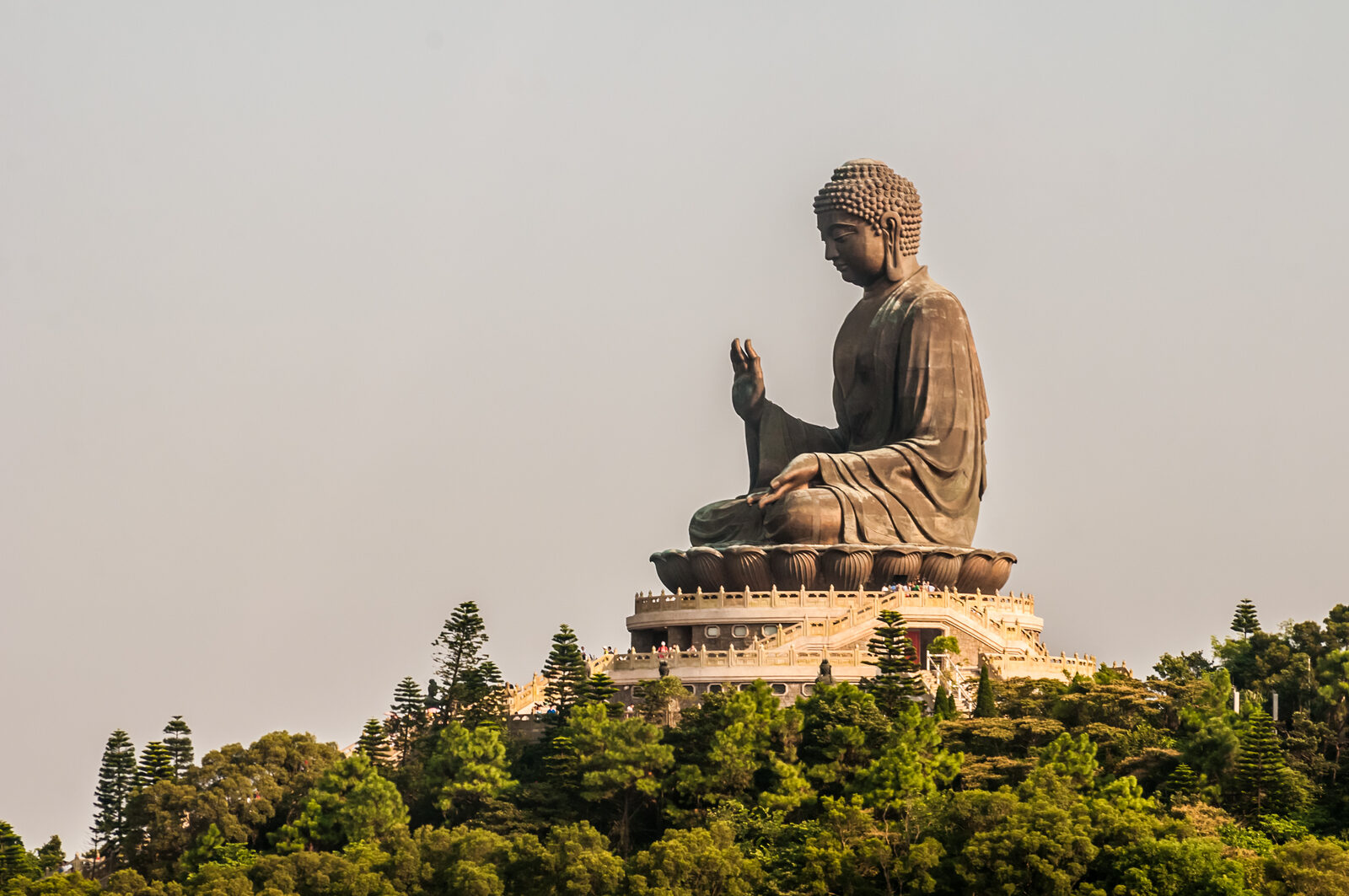
Hong Kong is compact and brilliantly connected, so you can cover the headline sights in a focused stay. Three to four days takes in Victoria Peak, the Star Ferry and Symphony of Lights, Central and Tsim Sha Tsui, the markets, and a day trip out to Lantau and the Big Buddha or one of the outlying islands. Add a day or two if you want serious hiking, Disneyland, or a Macau side-trip.
Getting around is easy and cheap: the MTR is fast, clean and air-conditioned (a blessing in summer heat or a typhoon downpour), the Star Ferry and trams are scenic and inexpensive, and a single Octopus card covers almost everything. For end-to-end planning — transfers, hotels, tours, group logistics and timing your trip around the weather and festivals — our Hong Kong DMC services handle the on-the-ground details so you don’t have to.
Frequently asked questions
What is the best month to visit Hong Kong?
November is the best single month — dry, sunny, clear and comfortably mild (around 19–24°C), with the cleanest skyline views of the year. October and early December are nearly as good. Together, the autumn window from mid-October to early December is the ideal time to visit.
What is the cheapest time to visit Hong Kong?
The hot, wet summer — roughly June to early September — is the low season, so flights and hotels are at their cheapest then (outside public-holiday spikes). You’ll deal with heat, humidity, heavy rain and some typhoon risk, but the city’s indoor attractions make a budget summer trip very workable.
What are the rainiest and typhoon months in Hong Kong?
The rainy season runs from May to September, with June to August the wettest. Typhoon season is roughly July to September (occasionally June or October). When a strong typhoon hits, Signal No. 8 or higher shuts down transport, businesses and flights for a day or two — so build in buffer time if you travel in summer.
When is the best time for the Hong Kong skyline?
October to early December, when dry autumn air lifts the haze and gives the clearest views from Victoria Peak and across Victoria Harbour. Avoid March and April, the foggiest and greyest months, when low cloud often hides the skyline completely.
Is winter a good time to visit Hong Kong?
Yes. Winter (December–February) is cool and dry — about 14–20°C — with often-clear skies, fewer crowds outside the festive peaks, and excellent conditions for hiking and walking. Pack a light jacket, as the damp air feels colder than the numbers suggest, and expect the odd grey day.
When is Chinese New Year in Hong Kong?
Chinese New Year falls on 17 February 2026, with celebrations running for several days. Expect fireworks over the harbour, a night parade and flower markets — but also higher prices and some smaller shops closing for two to three days. Major attractions and malls stay open throughout.
Plan your Hong Kong trip
Whatever month you choose, the right local partner turns Hong Kong’s weather, typhoons, festivals and crowds from a guessing game into a smooth itinerary. As a Singapore-based destination management company operating across Asia, we plan trips around the conditions — clear-sky autumn sightseeing, festival weekends, or a budget-friendly summer break — and handle transfers, hotels, tours and group logistics on the ground. Get in touch with our team to start planning, or explore our Hong Kong DMC services.
Image credits: Hong Kong skyline at night — Wilfredor, CC0, via Wikimedia Commons. Tian Tan Big Buddha — Wilfredor, CC0, via Wikimedia Commons.

Travel DMC Group
Travel DMC Group is a B2B destination management company handling ground services — hotels, transfers, guided tours, MICE and group logistics — across Asia, the Middle East and the Caucasus. These guides are written by our in-house operations and product team from first-hand experience running group departures.
Recommended Posts


What is DMC (Destination Management Company) ?
January 12, 2019

Where To Stay In Hong Kong | 9 Hotels in Hong Kong
September 5, 2018