

Singapore Arrival Rules for Tour Groups in 2026: A Checklist for Agents
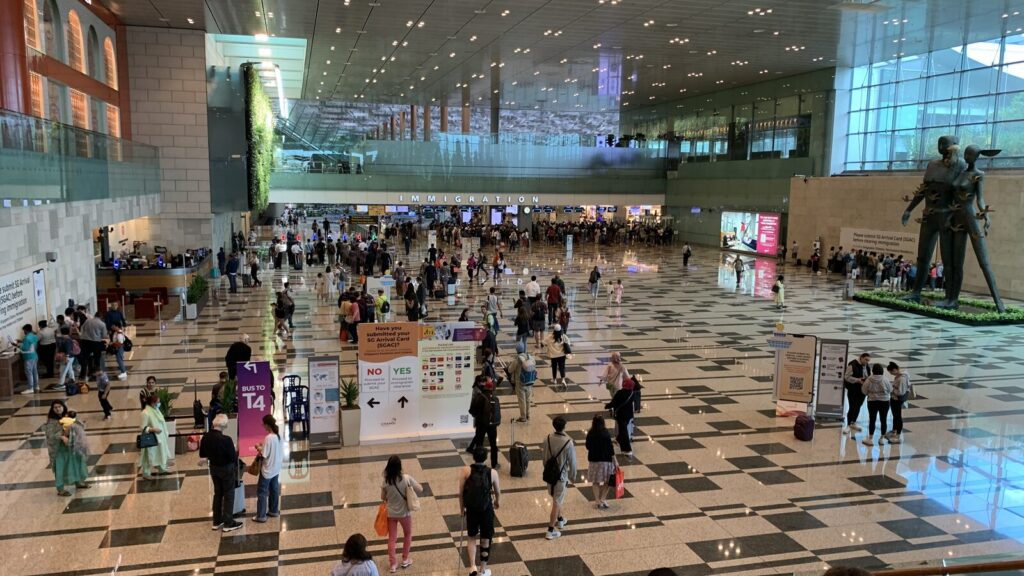
Every traveller in the group needs a passport valid for at least six months, an SG Arrival Card filed in the three days before arrival, and, for nationalities that need one, a Singapore visa. Since 30 January 2026, ICA can tell airlines not to board anyone who doesn’t meet the entry requirements, so a document problem now shows up at the check-in counter at the departure airport rather than at Changi.
The rules that catch groups out once they land are about what’s in the bags: vapes, gutkha and khaini, cigarettes, chewing gum and prescription medicines without the paperwork.
Singapore is one of the easiest countries in Asia to enter, and that is part of the problem. Because clearance at Changi is fast, tour leaders tend to treat it as a formality, and the few strict rules get missed. This checklist is for agents sending groups to Singapore from any market, in the order the group meets each rule: before booking, before flying, at the airport, and on the way home.
The three documents every traveller needs
| Document | The rule | What the agent should do |
|---|---|---|
| Passport | Valid for at least six months on arrival | Check every passport at the time of booking. Visas can’t be moved to a new passport, so a renewal after the visa is issued means a new application |
| Visa | Not needed for many nationalities. Where one is required, it is applied for through an authorised agent or a local contact in Singapore. For Indian passports, for example, the missions in New Delhi and Mumbai list a fee of INR 2,100 from 1 January 2026 plus the agent’s charge, and 3 to 5 working days to process | Apply early in busy seasons: the missions in India, for example, ask for two to four weeks between March and May. Validity can’t be extended, so check the dates cover the whole trip, including any return through Singapore |
| SG Arrival Card | Filed within 3 days before arrival, counting the arrival day. Free on the ICA website and the MyICA app, and it includes the health declaration | A group submission covers up to 10 people, so a group of 30 needs three. Use each traveller’s own email address: the visit pass arrives by email |
Several paid websites look like the official SG Arrival Card service and charge for it. ICA publishes a warning about them. Send travellers the link to the ICA site or the MyICA app rather than letting them search.
The No-Boarding Directive (from 30 January 2026)
From 30 January 2026, ICA has issued No-Boarding Directive notices to airlines flying into Changi and Seletar. ICA describes the aim as preventing “those who do not meet Singapore’s entry requirements, from boarding flights bound for Singapore”, and gives a valid visa and a passport with six months’ validity as examples. Airlines may also be asked to check visas and SG Arrival Card submissions before boarding.
For an agent, the practical change is where the problem surfaces. Before, a traveller with a visa issue reached Changi and was refused there. Now the same traveller is stopped at check-in at the departure airport, the rest of the group flies, and the traveller has to write to ICA through its feedback channel for approval before booking a new flight. ICA started with five airlines and said more would follow. Plan as if whichever airline your group is on is checking.
Collect a screenshot of every traveller’s visa and SG Arrival Card confirmation. Five minutes of checking the night before costs far less than one traveller left behind at check-in.
What not to pack
This is the section to send to every traveller, not just the tour leader. Most fines on arrival come from items people didn’t think twice about packing.
| Item | The rule in 2026 |
|---|---|
| Vapes and e-cigarettes | Illegal to bring in or use. Foreigners found with one have it seized and receive a fine, and repeat offenders on a visit pass are banned from re-entering. Since 1 May 2026 the penalties sit under a new law with fines of up to S$10,000, and vapes containing etomidate carry jail terms. There are disposal bins at the checkpoints: use them before immigration |
| Gutkha, khaini, zarda and snuff | Prohibited. They are on ICA’s list of goods that can’t be brought in at all |
| Cigarettes | No duty-free allowance, not even one opened pack. Declare and pay the duty, or leave them at home. Packs without Singapore’s standardised packaging are disposed of at the checkpoint |
| Alcohol | Duty-free up to 2 litres in total, in set combinations (for example 1 litre of spirits with 1 litre of wine), for travellers aged 18 and over who have been out of Singapore for at least 48 hours. No allowance if arriving from Malaysia |
| Chewing gum | Prohibited |
| Prescription medicines | Up to three months’ supply in the original labelled packaging, with a copy of the prescription or a doctor’s letter. Some medicines need approval from HSA, applied for at least two weeks before arrival |
| Cash | More than S$20,000 or the equivalent must be declared, on arrival and on departure |
| Shopping brought in | GST relief on goods up to S$500 for travellers away 48 hours or more (S$100 if less). Pay any GST due through the Customs@SG web app up to three days before arrival |
Getting a group through Changi
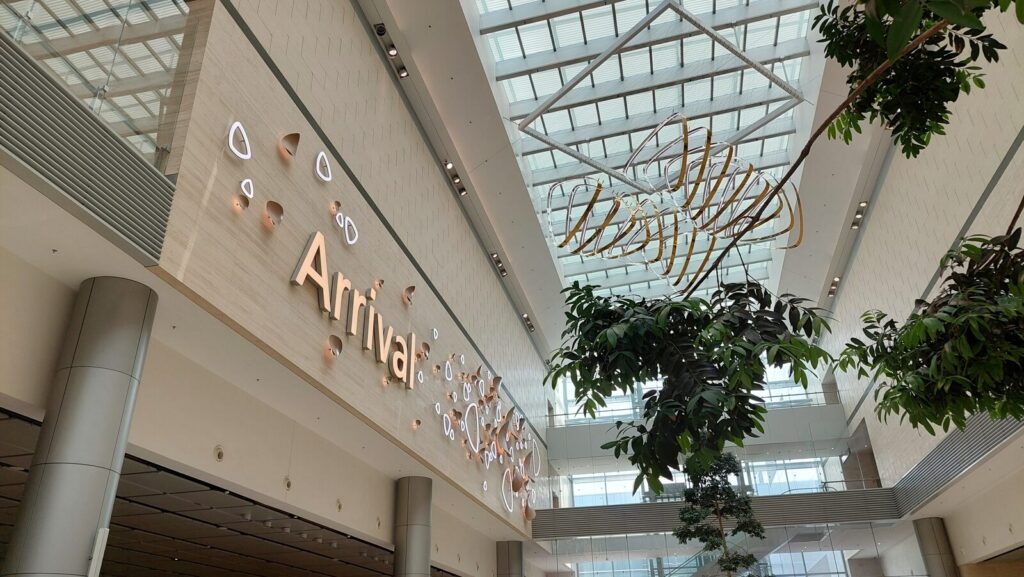
Changi has four terminals and airlines do move between them, so check each flight on the Changi Airport website the day before. At immigration, every foreign visitor aged six and above can use the automated lanes without enrolling first. They still show the passport on arrival, but the lanes are quicker than the counters.
- Children under six can’t use the automated lanes. Send families with young children to the staffed counters together, so the group isn’t split on either side of the gates.
- One meeting point. Agree it with the DMC before the flight and repeat it on the plane. A group that scatters to the taxi queue and the toilets can lose 40 minutes in the arrival hall.
- Early arrivals. Many overnight flights land early in the morning, and hotel check-in is usually 3pm. Book early check-in for the rooms that need it, or plan a city tour with luggage on the coach.
- The visit pass is sent by email, not stamped in the passport. If a traveller’s email address on the arrival card was wrong, the tour leader should know before the group reaches the hotel.
Arriving by coach from Malaysia
On a Singapore, Malaysia and Thailand circuit run in reverse, the group enters Singapore at Woodlands or Tuas by coach. Three things are different from flying in:
- The SG Arrival Card still applies. Only Singapore residents are exempt at the land checkpoints. File it from Kuala Lumpur or wherever the group is three days out.
- First-time visitors need their passport. Returning visitors can clear with a QR code from the MyICA app, but first-time foreign visitors, and anyone on a different passport from their last visit, clear with their passport instead. Expect the coach hall to take longer than Changi.
- No duty-free alcohol. Anyone who cleared immigration in Malaysia counts as arriving from Malaysia and gets no liquor allowance at all.
Leaving Singapore and GST refunds
Departure at Changi is passport-free for foreign visitors: the automated lanes clear them by biometrics instead. The rule worth briefing is the tourist GST refund, because groups do a lot of shopping on the last day.
- The traveller must be 16 or over and spend at least S$100 including GST at one retailer. Up to three same-day receipts from the same shop can be combined.
- The passport has to be shown in person at the shop when buying.
- Claims are made at the eTRS kiosks at Changi: in the check-in hall for goods going in the hold, after immigration for goods carried on.
- Refunds only apply when leaving by air from Changi or Seletar. A group leaving Singapore by coach can’t claim, which matters on reverse-order combo trips.
Frequently Asked Questions
Do children need their own SG Arrival Card?
Yes. The card applies to all travellers, and a group submission can include up to 10 people, so a family or a small group can be filed together on the ICA website or the MyICA app.
How early can travellers apply for a Singapore visa?
For nationalities that need a visa, ICA accepts applications within 30 days before arrival. Processing usually takes a few working days: the missions in India, for example, quote 3 to 5 and suggest applying two to four weeks ahead in the March to May peak.
What happens if a traveller is refused boarding under the No-Boarding Directive?
The traveller has to write to ICA through its feedback channel and get approval for entry before arranging a new flight. The rest of the group can travel as planned, so brief the tour leader on who handles the traveller left behind.
Can a traveller bring a vape if they don’t use it in Singapore?
No. Possession is an offence. The vape is seized and the traveller is fined, and a repeat offence can lead to a ban on re-entering Singapore. Disposal bins are provided at the checkpoints before immigration.
Is there a duty-free allowance for cigarettes?
No. Singapore has no duty-free concession for cigarettes or tobacco. Every pack has to be declared and the duty paid, and packs without Singapore’s standardised packaging are disposed of.
Sending a group to Singapore?
We’re a Singapore-based DMC. We handle Changi meet-and-greet, coaches, hotels, tours and tickets for groups and FIT, on net rates for the trade.
- ICA, “ICA to issue No-Boarding Directives from 30 January 2026”, 28 November 2025: ica.gov.sg
- ICA, SG Arrival Card: ica.gov.sg
- ICA, Automated lanes: ica.gov.sg
- High Commission of Singapore, New Delhi, visa information: mfa.gov.sg
- Singapore Customs, duty-free concession and GST relief: customs.gov.sg
- gov.sg, vaping penalties: gov.sg
- HSA, travelling with personal medications: hsa.gov.sg
- IRAS, Tourist Refund Scheme: iras.gov.sg

Travel DMC Group
Travel DMC Group is a B2B destination management company handling ground services — hotels, transfers, guided tours, MICE and group logistics — across Asia, the Middle East and the Caucasus. These guides are written by our in-house operations and product team from first-hand experience running group departures.
Recommended Posts
How to Check an AI-Built Itinerary Before You Sell It
October 20, 2026

What Is SIC in Travel? SIC Full Form, Meaning and How SIC Transfers Work
September 9, 2026