
Best Time to Visit Bali: A Month-by-Month Guide (2026)
The short answer: the best time to visit Bali is the dry season, roughly April to October, when you get sunshine, low humidity and calm seas. If you want that good weather without the crush of holidaymakers, aim for the shoulder months — May, June and September are the sweet spot. But Bali is tropical and warm all year, so the wet season has real upside too: it’s greener, quieter and noticeably cheaper. Below we break it down month by month so you can match your trip to what you actually want to do.
We plan trips here on the ground, so this is the practical version: when to come, when to avoid, and the one date — Nyepi — that can quietly derail your travel if you don’t know about it.
Bali weather month by month
Daytime temperatures barely move across the year — expect roughly 26–31°C whatever month you land. What changes is rainfall, humidity and how busy the island feels. Here’s the quick reference:
| Month | Temp (°C) | Rainfall | Crowds & season |
|---|---|---|---|
| January | 26–31 | Very high (wettest month) | Quiet after New Year — low season |
| February | 26–31 | High | Quiet — low season |
| March | 26–31 | High, easing late month | Quiet — but Nyepi shuts the island for a day |
| April | 27–31 | Dropping — dry season begins | Building — great-value shoulder |
| May | 27–31 | Low | Pleasant shoulder — one of the best months |
| June | 26–30 | Low | Shoulder, getting busier — excellent |
| July | 26–30 | Very low | Peak — busiest and priciest |
| August | 26–29 | Lowest (driest, coolest) | Peak — busiest and priciest |
| September | 27–30 | Low | Shoulder — crowds thin, still dry. Top pick |
| October | 27–31 | Rising late month | Pleasant shoulder — dry season ending |
| November | 27–31 | Increasing — wet season begins | Quiet — low season |
| December | 26–31 | High | Quiet, then a spike over Christmas/New Year |
Dry season (April–October): the best time to visit Bali
This is the postcard version of Bali. From April through October you get long stretches of sunshine, low humidity, calm seas and the kind of clear afternoons that make the rice terraces and clifftop temples look unreal. It’s the best window for almost everything — beaches, boat trips to Nusa Penida and the Gili Islands, hiking Mount Batur for sunrise, and island-hopping.
The caveat is crowds. July and August are peak season, lining up with European and Australian summer holidays. Popular spots like Uluwatu, Canggu and the Nusa Penida day-trip route get genuinely busy, restaurants need booking, and accommodation prices climb. If your dates are flexible, this is exactly why we steer people toward the shoulder months.
- May & June — dry, warm, the island still feeling relaxed before the July rush.
- September — arguably the single best month: reliably dry, the seas calm, and the peak crowds gone home.
- April & October — the shoulders of the shoulder. Mostly dry, even better value, with a small risk of an early or late shower.
Wet season (November–March): what it’s really like
Don’t write off the wet season — it’s misunderstood. Rain in Bali rarely means a washed-out day. It usually arrives as a short, heavy tropical downpour in the late afternoon or evening, then clears, leaving you with sunny or bright mornings to get out and explore. January and February are the wettest, with March easing off as the dry season approaches.
The trade-offs are real and mostly in your favour. The island is at its most lush and green, the waterfalls are full, and the rice paddies are vivid. Crowds thin out (outside the Christmas/New Year spike), so the famous spots feel calmer. And because it’s low season, flights and villas are cheaper — this is when you’ll find the best deals. It stays warm and humid throughout, around 26–31°C, so it never feels cold, just sticky.
Who it suits: budget travellers, anyone chasing green-season photography, and visitors who’d rather have temples and rice terraces to themselves. Pack a light rain jacket, plan indoor or spa time for the afternoon downpours, and you’ll do fine.
Best time to visit Bali for…
Surfing
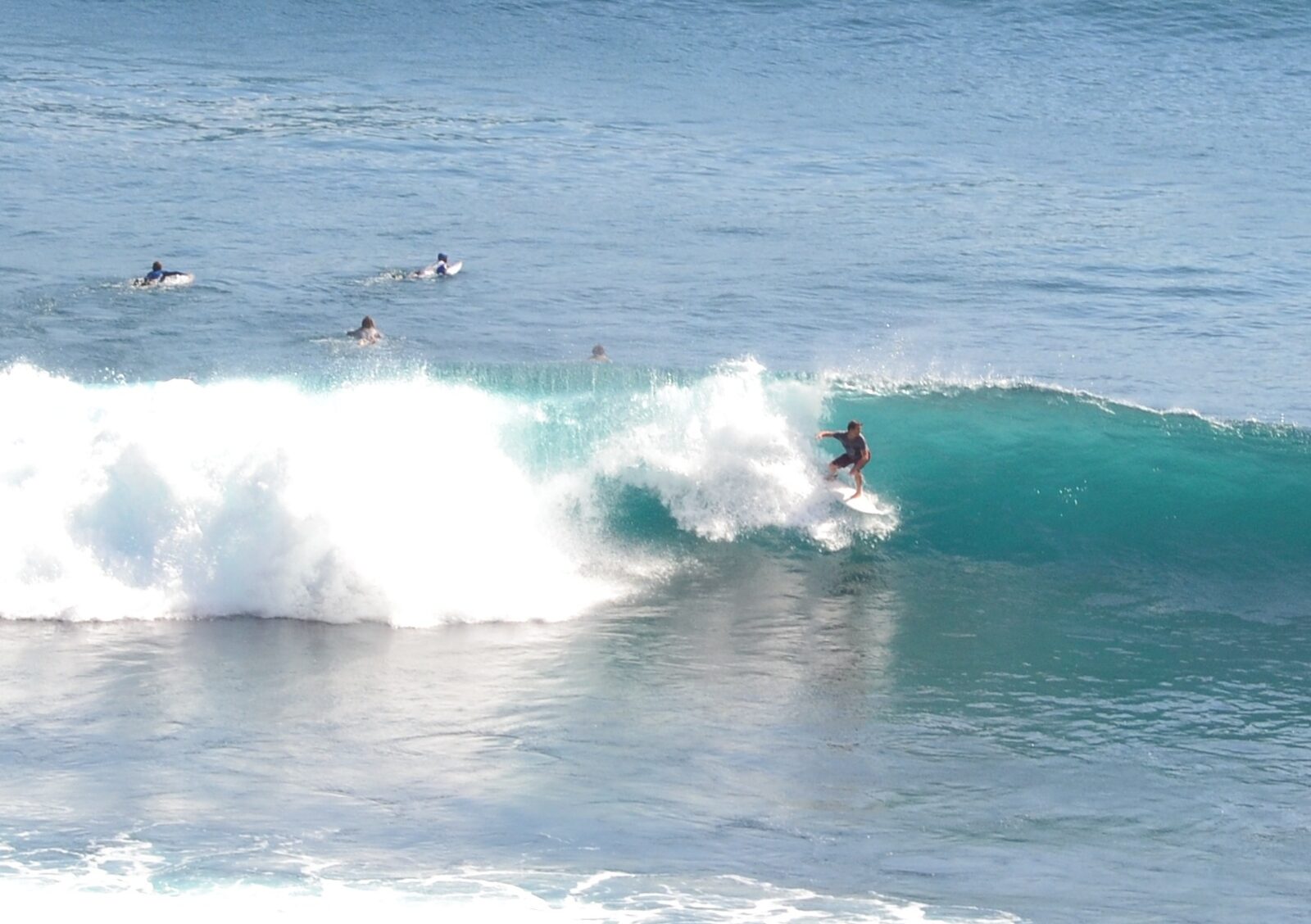
Bali surfs year-round because the swell wraps around the island — you just switch coasts with the season. The west and south-west coast (Uluwatu, Padang Padang, Bingin, Canggu, Kuta) is best in the dry season, May to September, when offshore winds groom clean waves. The east coast (Nusa Dua, Sanur, Keramas) comes alive in the wet season, November to March. So whenever you arrive, there’s a coast working.
Diving (manta rays & mola mola)
Diving around Nusa Penida is good all year, but the dry season (April–October) brings the calmest seas and best visibility. Manta rays cruise the cleaning stations year-round, with numbers often peaking around May. The big draw is the rare mola mola (oceanic sunfish), which shows up in cooler upwelling waters mainly from July to October, peaking in August and September. So for a dive-focused trip, late dry season is the sweet spot.
Honeymoon
For a honeymoon you want reliable weather and sunsets without the peak-season crush. May, June and September deliver exactly that — dry, calm and romantic, with quieter beach clubs and easier restaurant bookings. Ubud and the clifftop resorts of Uluwatu and Nusa Dua are at their best. If budget matters more than guaranteed sun, a wet-season honeymoon in lush, near-empty Bali can be wonderfully private.
Budget travel
The cheapest time to visit Bali is the wet season, November to March — but skip the Christmas and New Year fortnight, when prices jump. February is typically the best-value month of all. If you want dry weather on a budget, the shoulder edges of April and October give you mostly sunny days at well below July–August prices.
Festivals & key dates
Nyepi — the Balinese Day of Silence (flag this one)
If there’s one date to know, it’s Nyepi, the Balinese New Year and Day of Silence — 19 March in 2026. For 24 hours (6am to 6am), the entire island shuts down: no flights, no driving, no going outside, lights kept low, and many services paused. Crucially, Ngurah Rai International Airport closes completely — nothing lands or takes off. Do not book arrival or departure on Nyepi. You must stay inside your accommodation; most hotels run as normal behind closed doors.
The flip side: the night before (18 March 2026) brings the spectacular Ogoh-Ogoh parades, where villages carry giant demon effigies through the streets before burning them. If you can time it, it’s one of Bali’s most memorable evenings — just build a buffer day around the silence itself.
Galungan & Kuningan
Galungan celebrates the victory of good over evil and the return of ancestral spirits; Kuningan, ten days later, marks their journey back. In 2026 they fall on 17 June (Galungan) and 27 June (Kuningan). Unlike Nyepi, the island stays open — you’ll simply see tall, decorated bamboo poles (penjor) lining the roads, temples full of offerings, and families in their finest. It’s a beautiful, welcoming time to visit if you’re respectful of the ceremonies.
How many days & getting there
For a first trip, 7 to 10 days is the sweet spot — enough to pair the south (Uluwatu, Seminyak, Canggu) with Ubud and a couple of nights on Nusa Penida or the Gilis without rushing. Five days works if you stay focused on one or two areas. Two weeks lets you add the quieter north and east.
Almost everyone arrives at Ngurah Rai International Airport (DPS) in the south. Traffic from the airport to Ubud or Canggu can be slow, so a pre-booked transfer saves the post-flight hassle — see our Bali airport transfer guide for how that works and what to expect.
Frequently asked questions
What is the best month to visit Bali?
For the best balance of weather and smaller crowds, choose May, June or September. They sit in the dry season but fall outside the July–August peak, so you get reliable sunshine, calm seas and lower prices than mid-summer.
What is the cheapest time to visit Bali?
The wet season — November to March — is cheapest for flights and accommodation, with February usually the best value. The one exception is the Christmas and New Year period, when prices spike. For cheap dry-season days, try April or October.
Is the rainy season worth it in Bali?
Yes, for many travellers. Rain usually comes as short, heavy afternoon downpours rather than all-day grey, so mornings are often clear. You get lush green scenery, full waterfalls, fewer crowds and the lowest prices of the year. Pack a light rain jacket and keep your plans flexible.
When is the best time to surf in Bali?
The dry season (May–September) is best for the famous west-coast breaks like Uluwatu and Canggu, thanks to clean offshore winds. In the wet season (November–March) the east coast — Sanur, Nusa Dua, Keramas — works better. You can surf Bali in any month by switching coasts.
What is the best time for a Bali honeymoon?
May, June and September are ideal — dry, calm and romantic, with the peak-season crowds gone and easier dinner reservations and beach-club access. For a quieter, lower-cost honeymoon, the wet season offers lush scenery and privacy if you don’t mind afternoon showers.
What is Nyepi and how does it affect my trip?
Nyepi is the Balinese New Year Day of Silence (19 March 2026). For 24 hours the whole island stops — no driving, no going outside, and the airport closes entirely, so no flights operate. Never schedule your arrival or departure on Nyepi; plan to be settled in your hotel for the day, then enjoy the Ogoh-Ogoh parades the night before.
Plan your Bali trip
Whether you’re chasing dry-season sunshine or a quiet green-season getaway, the right timing is what makes a Bali trip click. As a Singapore-based destination management company, we handle the on-the-ground details for travel agents and groups — itineraries, hotels, guides, transfers and the local know-how to work around dates like Nyepi.
Explore what we offer through our Bali DMC services, and when you’re ready to build a trip around the best time to visit Bali, get in touch with our team — we’ll tailor it to your dates, budget and travel style.
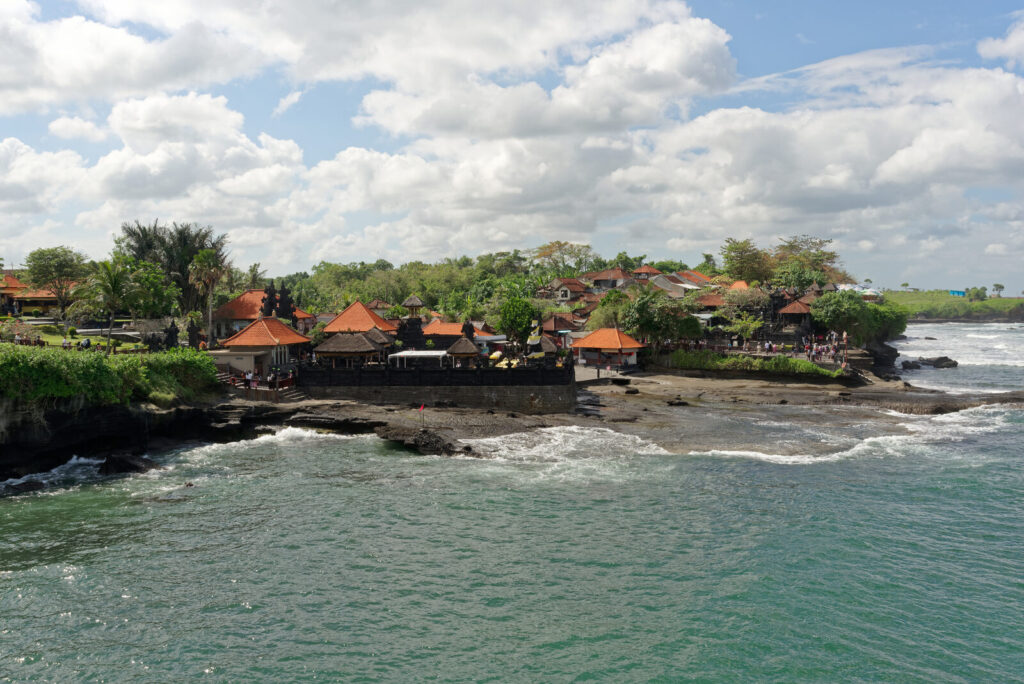
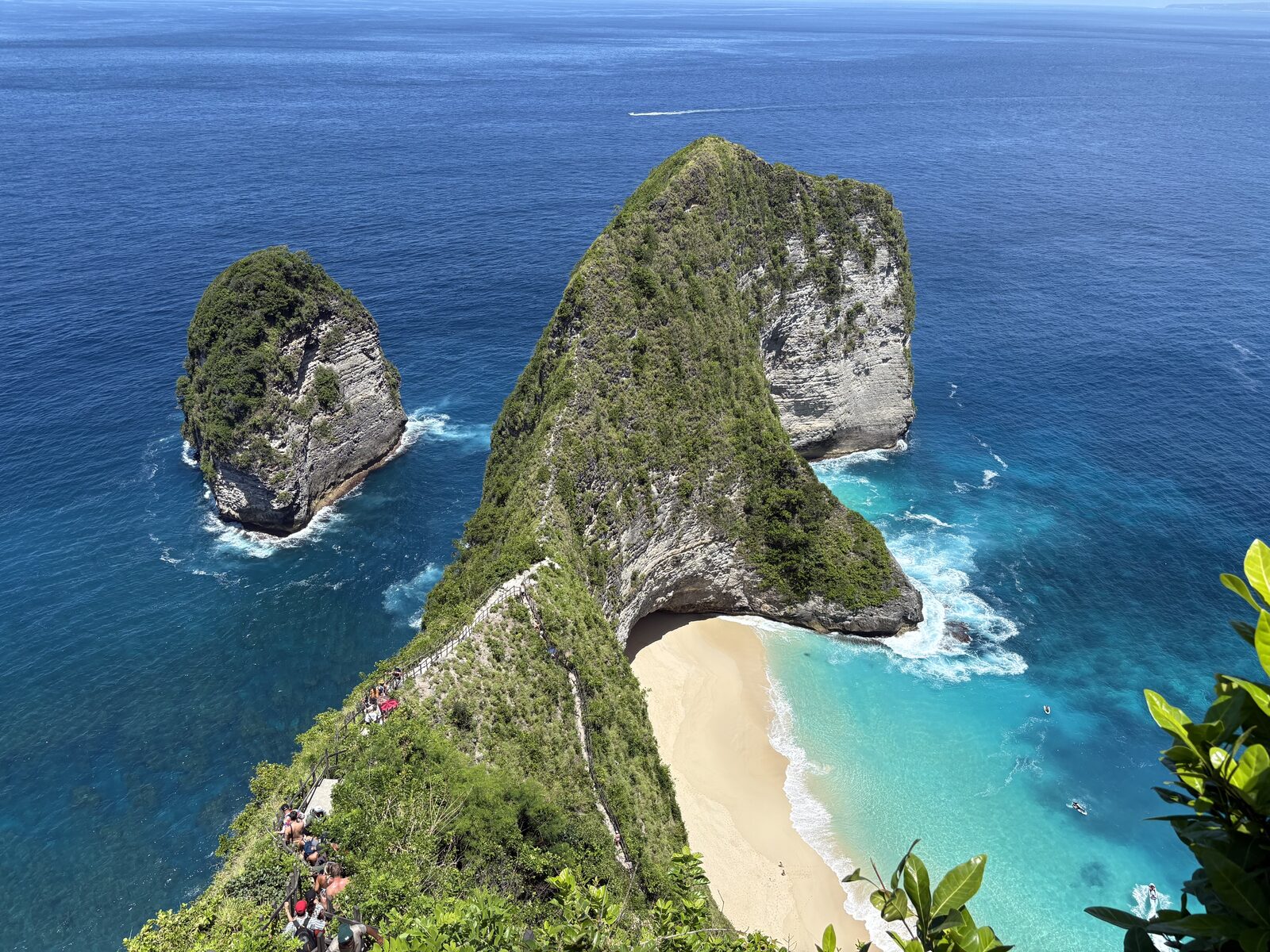
Image credits: Kelingking Beach — Photo: Chainwit., CC BY 4.0, via Wikimedia Commons. Surfing — Photo: Simon_sees, CC BY 2.0, via Wikimedia Commons.

Travel DMC Group
Travel DMC Group is a B2B destination management company handling ground services — hotels, transfers, guided tours, MICE and group logistics — across Asia, the Middle East and the Caucasus. These guides are written by our in-house operations and product team from first-hand experience running group departures.
Recommended Posts

How Many Days Do You Need in Bali? (2026 Guide)
June 22, 2026