
Best Time to Visit Nepal: A Month-by-Month Guide (2026)
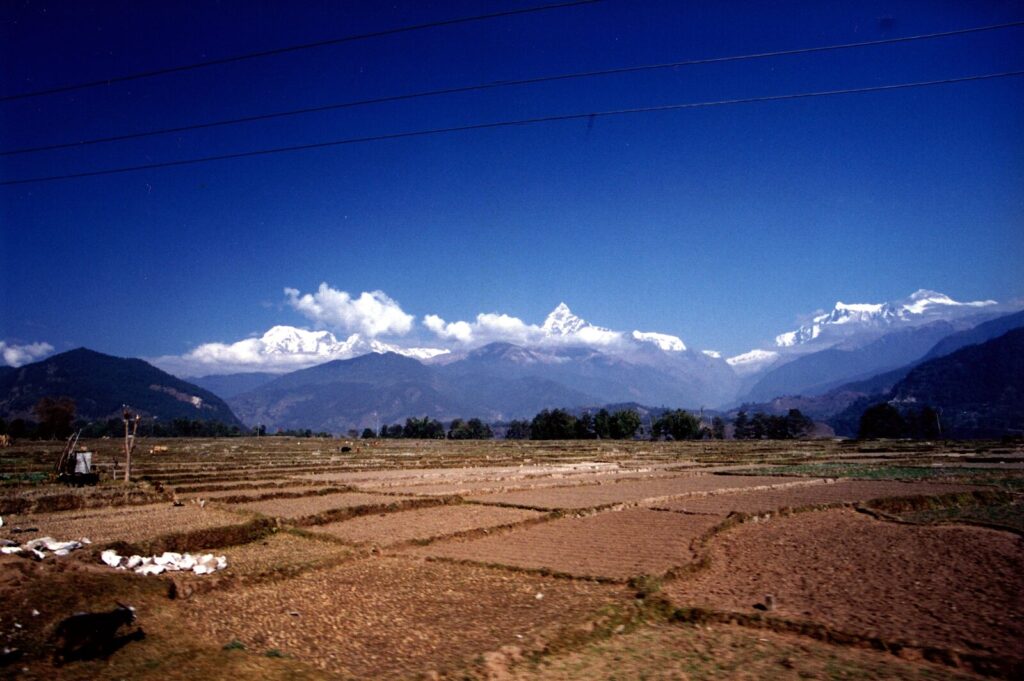
If you want one clean answer: the best time to visit Nepal is autumn, October and November. That’s when the monsoon clouds have cleared, the air is washed clean, the Himalaya stand out sharp against a deep blue sky, and the trekking trails are dry and busy. Spring (March–April) is the close second. The rest of the year still works for the right trip — you just have to match the month to what you actually want to do.
We arrange Nepal itineraries for travel agents year-round, so this guide is built the way we plan trips internally: season first, then activity. One thing to keep in mind before you read the table — for any high-altitude trek, altitude matters more than the calendar. April in Kathmandu (1,400 m) is t-shirt weather; April at 5,000 m can still freeze hard overnight. Pick your season for the views and the trail conditions, but pack for the elevation.
Nepal’s seasons month by month
| Month | Weather | Trekking & mountain views | Crowds |
|---|---|---|---|
| January | Cold, dry; frosty nights at altitude | Clear skies; lower treks only (high passes snowed in) | Low |
| February | Cold but warming; still dry | Crisp views; low-altitude treks good | Low |
| March | Mild, warming; some afternoon haze builds | Excellent — rhododendrons in bloom, passes reopening | Medium |
| April | Warm, mostly dry; haze possible lower down | Peak spring trekking; strong views | High |
| May | Hot in the lowlands; pre-monsoon haze, occasional storms | Good but hazier; Everest summit season | Medium |
| June | Hot, humid; monsoon arrives mid-month | Wet, leeches; rain-shadow areas only | Low |
| July | Wettest month; cloud and rain | Poor on most trails; Upper Mustang/Dolpo OK | Very low |
| August | Wet, humid; rivers high | Poor; rain-shadow regions still trek-able | Very low |
| September | Monsoon easing late in the month | Improving; trails greening, views returning | Low–medium |
| October | Dry, stable, clear — the sweet spot | Best of the year; prime views and trails | High |
| November | Dry, clear, cooling; superb visibility | Excellent; crowds easing after mid-month | High–medium |
| December | Cold, dry, very clear | Great views; lower treks only as cold sets in | Low |
The pattern is simple once you see it: two dry, clear shoulder seasons (autumn and spring) bracketed by a wet summer monsoon and a cold, dry winter. Nepal sits between roughly 60 m in the Terai lowlands and 8,848 m at the summit of Everest, so any single month feels completely different depending on where you stand.
Autumn (October–November): the best season
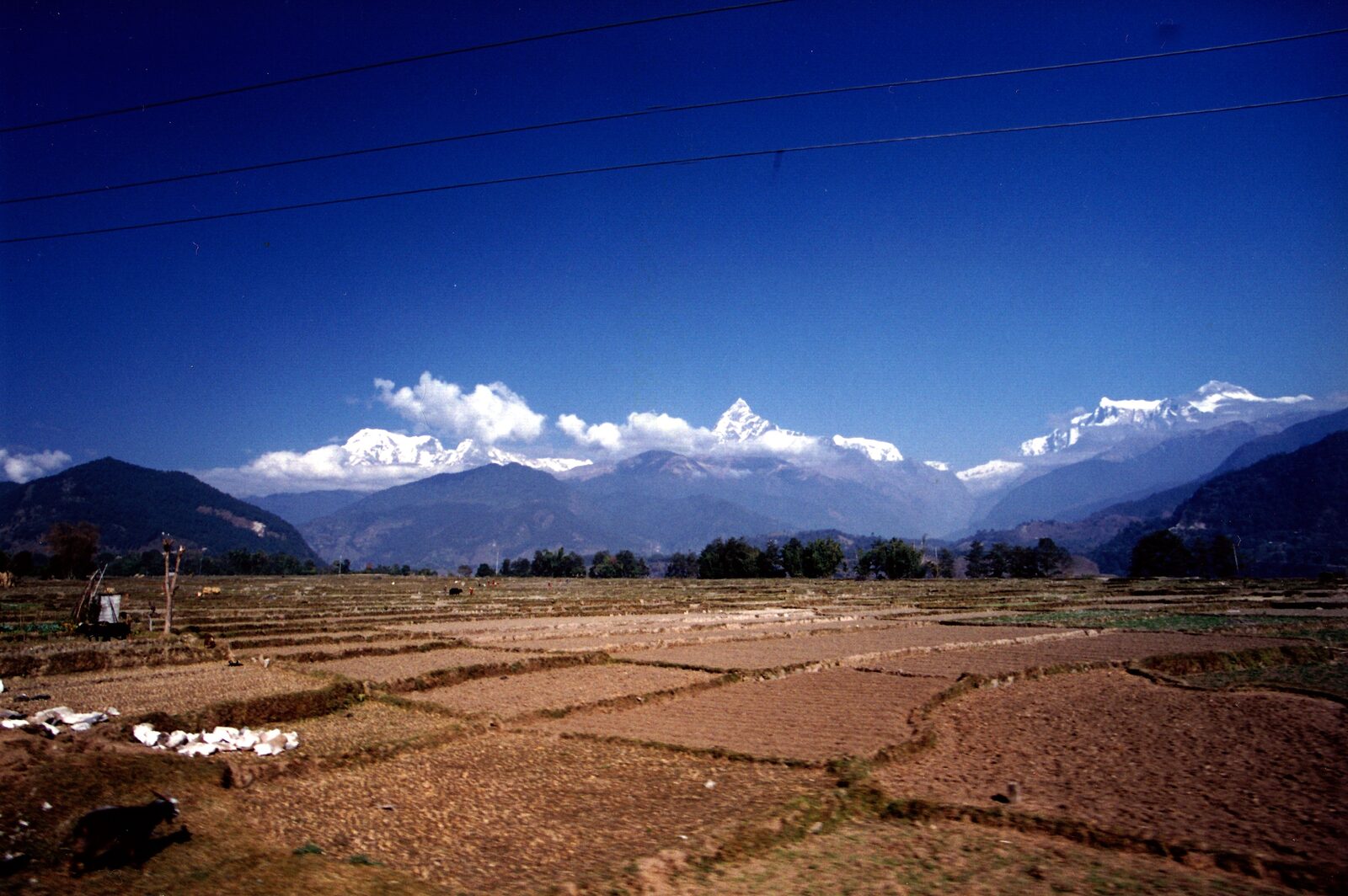
Autumn is the headline answer for the best time to visit Nepal, and it earns it. The summer monsoon ends in late September, taking the haze and cloud with it. What’s left is the most stable weather of the year: warm, dry days, cool nights, and visibility so good you can pick out individual ridgelines on peaks 50 km away.
- Mountain views: the best of the year. Early mornings are routinely cloudless.
- Trekking: trails are dry, high passes are open, teahouses are fully running.
- Temperature: comfortable trekking by day; bring layers for cold nights above 3,000 m.
- Festivals: Nepal’s two biggest — Dashain and Tihar — both land in this window.
The one trade-off is company. October in particular is the busiest trekking month, so popular routes like the Everest Base Camp and Annapurna trails see real foot traffic, and flights to Lukla and good lodges book out early. If you want autumn’s weather with thinner crowds, aim for the second half of November — the skies stay brilliant and the trails quieten as the cold creeps in. Book mountain flights, Lukla seats and teahouse-route lodges well ahead for any October departure.
Spring (March–April): the second sweet spot
Spring is the other window we steer most travellers toward. Days are mild and warming, the high passes that snow shut in winter reopen, and the hillsides put on a show: Nepal’s national flower, the rhododendron, blooms in great red and pink banks across the mid-hills, especially on the Annapurna and Langtang trails. It’s the prettiest time to be on the ground.
Spring is also the high-altitude climbing season — May is when most Everest summit attempts happen, when the weather window opens at extreme altitude. For ordinary trekkers, March and April are the pick of spring. The only catch is that the air can grow hazier than autumn as the lowlands heat up toward May, so distant views are sometimes a touch softer. Crowds are real but generally a notch below October.
Monsoon (June–September) & winter (December–February): when they still work
Monsoon (June–September)
The monsoon brings most of Nepal’s annual rain. Expect cloud, downpours (often heaviest overnight and in the afternoon), high humidity in the lowlands, slippery trails and — the detail nobody warns you about — leeches in the wet forest sections. Mountain views are unreliable because the peaks are usually socked in. For classic high-Himalaya trekking, it’s the weakest season.
But it isn’t a write-off. The rain-shadow regions north of the main Himalayan range — Upper Mustang and Dolpo — stay largely dry through the monsoon because the mountains block the rain clouds. These become genuinely good trekking choices in July and August, when the rest of the country is wet. The landscape is green, prices and crowds drop, and the high desert plateaus are at their best.
Winter (December–February)
Winter is cold and dry with some of the clearest skies of the year — the views can be spectacular. The problem is altitude: it gets bitterly cold above 3,000 m, snow closes the high passes, and many high-route teahouses shut. So winter is not the season for Everest Base Camp or the Annapurna Circuit’s high crossings.
It is, however, an excellent time for everything lower down. Lower-altitude treks (Poon Hill, parts of the Annapurna foothills, day hikes around the valleys), the temples and squares of the Kathmandu Valley, and wildlife safari in Chitwan all work well in the crisp winter air, with far fewer tourists and lower prices.
Best time to visit Nepal for…
Trekking (Everest & Annapurna)
For the big classic treks — Everest Base Camp, the Annapurna Circuit, Annapurna Base Camp — the answer is the two dry seasons: October–November first, March–April second. Autumn gives the clearest, most reliable mountain views; spring gives warmer days and rhododendron-lined trails. Both have open passes, working teahouses and stable weather. Avoid the monsoon for these routes (cloud and leeches) and winter for anything crossing a high pass.
Kathmandu Valley culture
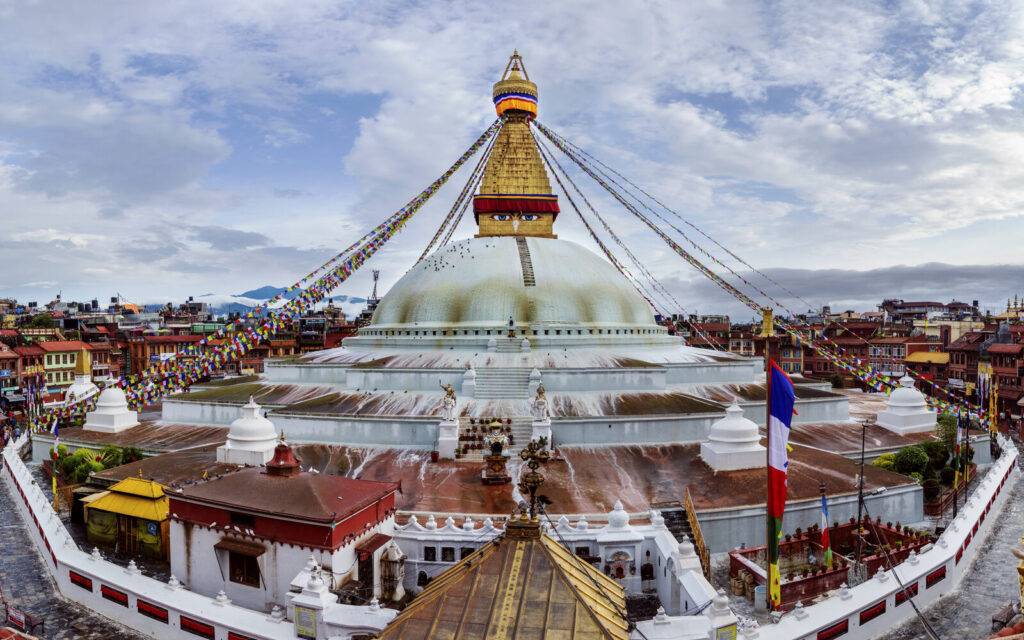
The temples, stupas and Durbar Squares of Kathmandu, Patan and Bhaktapur sit at a comfortable 1,300–1,400 m, so they’re enjoyable almost year-round. October and November are ideal — clear and dry, and timed with the big festivals. Winter is also pleasant and quiet. The only stretch to think twice about is the height of the monsoon, when sightseeing means dodging downpours.
Chitwan wildlife safari
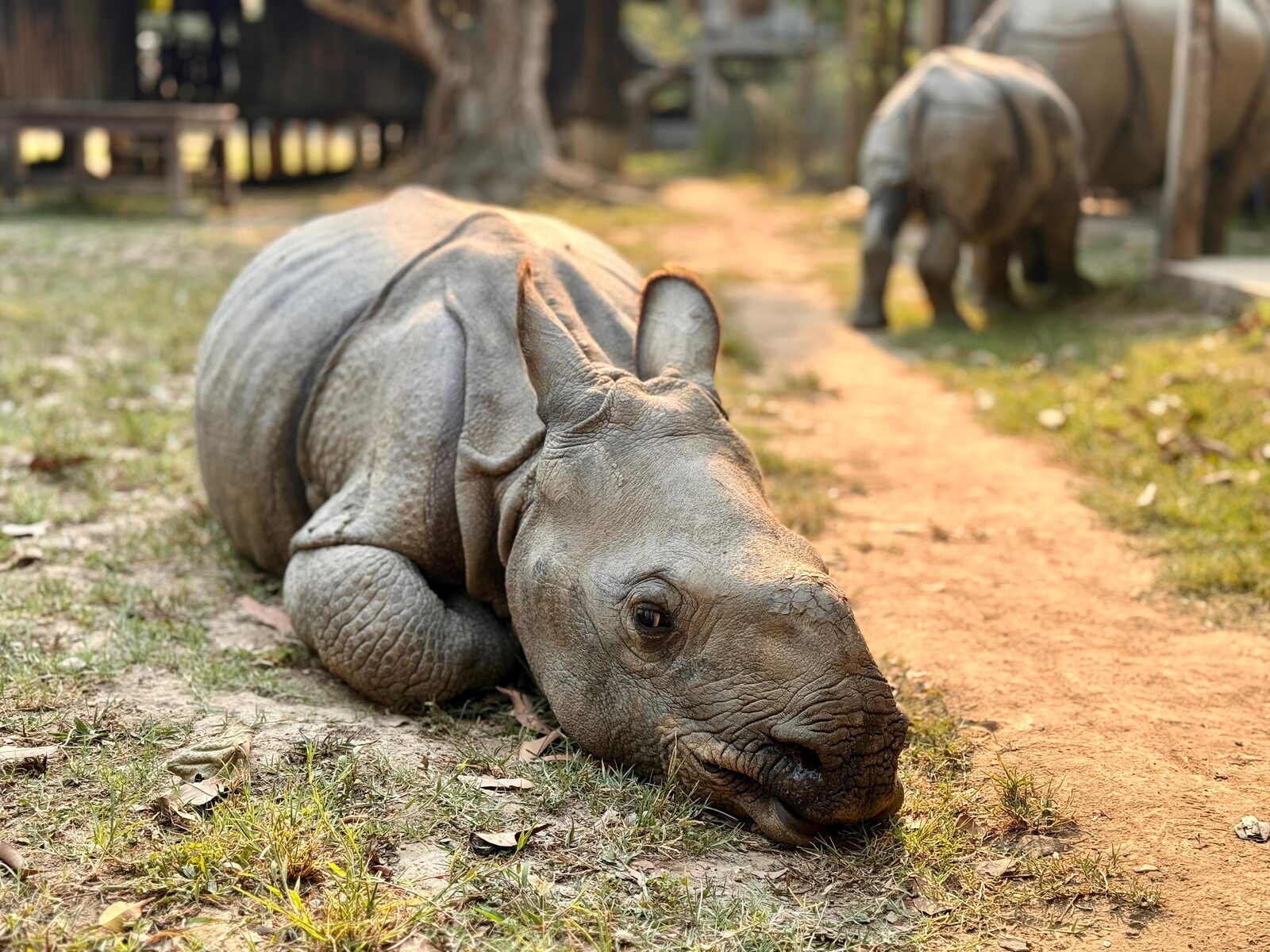
Chitwan National Park, in the lowland Terai, is best from October to March. The post-monsoon and winter months bring cooler, drier weather and thinner vegetation, which makes one-horned rhino, deer, crocodiles and (with luck) tigers far easier to spot. By April–May the Terai gets very hot, and the monsoon then floods grasslands and pushes humidity up — doable, but tougher going.
Mountain flights & views
If your priority is simply seeing the Himalaya — on a scenic Everest mountain flight, from a Nagarkot sunrise viewpoint, or from Pokhara — go for the clearest air: October, November and December are the standouts, with March–April close behind. Avoid the monsoon, when the peaks hide behind cloud for days on end.
Budget
The cheapest time to visit Nepal is the monsoon (June–September) and deep winter (January–February). With far fewer visitors, flights, lodges and tours soften their prices and availability is wide open. If you go in the monsoon, route smartly — cultural touring plus a rain-shadow trek — and you can have a strong-value trip while everyone else waits for autumn.
Festivals: Dashain and Tihar
Nepal’s two biggest Hindu festivals fall in the prime autumn window, which is part of what makes October–November such a rich time to visit.
- Dashain (usually late September to mid-October) is the longest and most important festival — 15 days of family reunions, blessings, kite-flying and feasting. Cities empty as people travel home, and some shops and offices close, so build a little slack into city logistics around it.
- Tihar (the festival of lights, usually late October to mid-November, roughly two weeks after Dashain) is Nepal’s Diwali — homes and streets glow with oil lamps and marigold garlands, and there are days honouring crows, dogs and cows. It’s beautiful to witness in the Kathmandu Valley.
Both festivals follow the lunar calendar, so the exact dates shift each year — check the current year’s dates when you plan, and book ahead, as domestic transport fills up around Dashain.
How many days, and getting there
Most international travellers fly into Kathmandu’s Tribhuvan International Airport. A first Nepal trip works well at 7–10 days for a culture-plus-Pokhara-plus-Chitwan loop; a classic trek like Everest Base Camp or the Annapurna Circuit needs roughly 12–16 days once you factor in proper acclimatisation. For the full breakdown of routes, durations and how a Nepal trip fits together, see our Nepal group tour guide.
Whatever the season, give yourself buffer days on any trek — mountain weather and Lukla flight delays are part of the deal, and rushing acclimatisation is the single most common mistake.
Frequently asked questions
What is the best month to visit Nepal?
October is the best single month to visit Nepal. The monsoon has cleared, the skies are at their clearest, the weather is stable and dry, and the trekking trails are in top condition. November is nearly as good and a little quieter after mid-month.
What is the best time for trekking in Nepal?
The two best windows for trekking in Nepal are autumn (October–November) and spring (March–April). Both have dry, stable weather, open high passes and working teahouses. Autumn has the clearer views; spring has warmer days and rhododendron blooms.
What is the cheapest time to visit Nepal?
The cheapest time to visit Nepal is during the monsoon (June–September) and deep winter (January–February), when visitor numbers drop and flights, lodges and tours are at their lowest prices. In the monsoon, focus on cultural touring and rain-shadow treks like Upper Mustang.
Can you visit Nepal during the monsoon?
Yes. The monsoon (June–September) is wet with unreliable mountain views and leeches on forest trails, but it suits cultural sightseeing and the rain-shadow regions of Upper Mustang and Dolpo, which stay largely dry because the Himalaya block the rain clouds. Crowds are low and prices are at their best.
When is the best time for Everest views?
For Everest and Himalaya views — whether trekking to Base Camp or taking a scenic mountain flight — October, November and December offer the clearest air, with March–April close behind. The monsoon months are the worst for views, as the peaks are usually hidden by cloud.
When is the best time to visit Chitwan?
The best time for a Chitwan wildlife safari is October to March. Cooler, drier weather and thinner vegetation make rhino, deer, crocodiles and tigers easier to spot. Avoid the very hot pre-monsoon (April–May) and the flooded, humid monsoon.
Plan your Nepal trip
The best time to visit Nepal comes down to one question: what do you want most — the clearest mountains and best trekking (autumn), blooming hills and warm trails (spring), low prices and quiet (monsoon or winter), or wildlife (October–March)? Once you’ve fixed the season, the itinerary follows.
As a Singapore-based DMC, we handle Nepal on the ground for travel agents and groups — trekking permits, Lukla and mountain flights, teahouse and lodge bookings, Chitwan safaris and Kathmandu Valley touring, all timed to the right season. See our Nepal DMC services, or contact us to start planning a trip built around the time of year that fits your travellers.

Travel DMC Group
Travel DMC Group is a B2B destination management company handling ground services — hotels, transfers, guided tours, MICE and group logistics — across Asia, the Middle East and the Caucasus. These guides are written by our in-house operations and product team from first-hand experience running group departures.
Recommended Posts
What Is SIC in Travel? SIC Full Form, Meaning and How SIC Transfers Work
September 9, 2026