

Best Time to Visit Malaysia: A Month-by-Month Guide (2026)
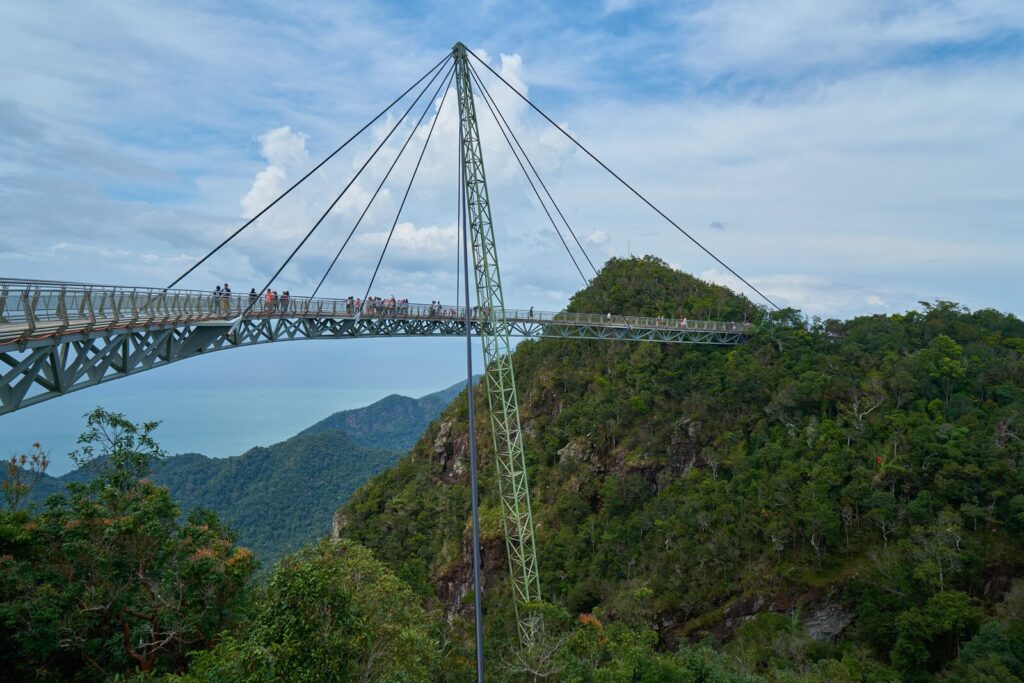
The best time to visit Malaysia is the dry stretch from December to February and again from June to August — but the honest answer is that it depends on which coast you’re heading to. Malaysia straddles two seas with opposite monsoons, so the months that flood the east-coast islands are often clear and sunny on the west coast around Penang, Langkawi and Kuala Lumpur. Get the timing right for your region and you’ll dodge the closures, the washed-out dives and the heaviest crowds.
We run trips here year-round, so here’s the operator’s quick version: for the west coast and KL, aim for December–February or June–August. For the east-coast islands (Perhentian, Redang, Tioman), go between March and October — many resorts simply close in the off-season. For Borneo (Sabah and Sarawak), March to September is your driest window. The rest of this guide breaks it down month by month.
Malaysia’s two monsoons: why one date doesn’t fit the whole country
Malaysia is tropical and warm all year — daytime temperatures sit around 27–32°C at sea level with high humidity, and the lowlands never really have a “cold” season. What changes is the rain, and it’s driven by two monsoons that hit different sides of the Peninsula:
- Northeast monsoon (roughly November to February) — the big one. It batters the east coast of the Peninsula (Terengganu, Kelantan, Pahang) and the islands off it. This is when seas turn rough, ferries stop and many east-coast island resorts shut down. Borneo also sees its wettest months in this window.
- Southwest monsoon (roughly April/May to September/October) — milder. It brings more rain to the west coast (Penang, Langkawi, KL), but usually as short, heavy afternoon or evening showers rather than days of washout. Mornings are often bright.
So the practical rule: east coast = best March–October; west coast = best December–February and June–August. Borneo runs closer to the east-coast pattern, drier from March to September. Because you’re rarely escaping rain entirely, think in terms of which region is in its dry season when you travel.
Month-by-month at a glance
| Month | West coast & KL | East-coast islands | Borneo | Crowds |
|---|---|---|---|---|
| January | Dry, sunny — peak | Wet, many resorts closed | Wet | High (CNY late Jan/Feb) |
| February | Dry, sunny — peak | Tail of monsoon, easing | Easing | High |
| March | Dry, hot | Reopening, good | Drying out — good | Moderate |
| April | Showers starting | Excellent | Good | Moderate |
| May | Afternoon showers | Excellent, calm seas | Good | Lower |
| June | Drier spell — good | Excellent — peak diving | Dry — good | High (school holidays) |
| July | Drier spell — good | Excellent — peak diving | Dry — good | High |
| August | Mostly dry — good | Very good | Drier | Moderate |
| September | Showers return | Good | Drier | Lower |
| October | Wetter | Last good month | Rain returning | Lower |
| November | Wettest spell possible | Closing — rough seas | Wet | Low |
| December | Drying, festive — good | Closed/rough | Wet | High (year-end) |
The single clearest takeaway from the table: the east-coast islands and the west coast are almost mirror images. December and January are postcard-perfect in Langkawi while the Perhentians sit empty and shuttered — and June to August suits both, which is why mid-year is the most flexible time to combine regions in one trip.
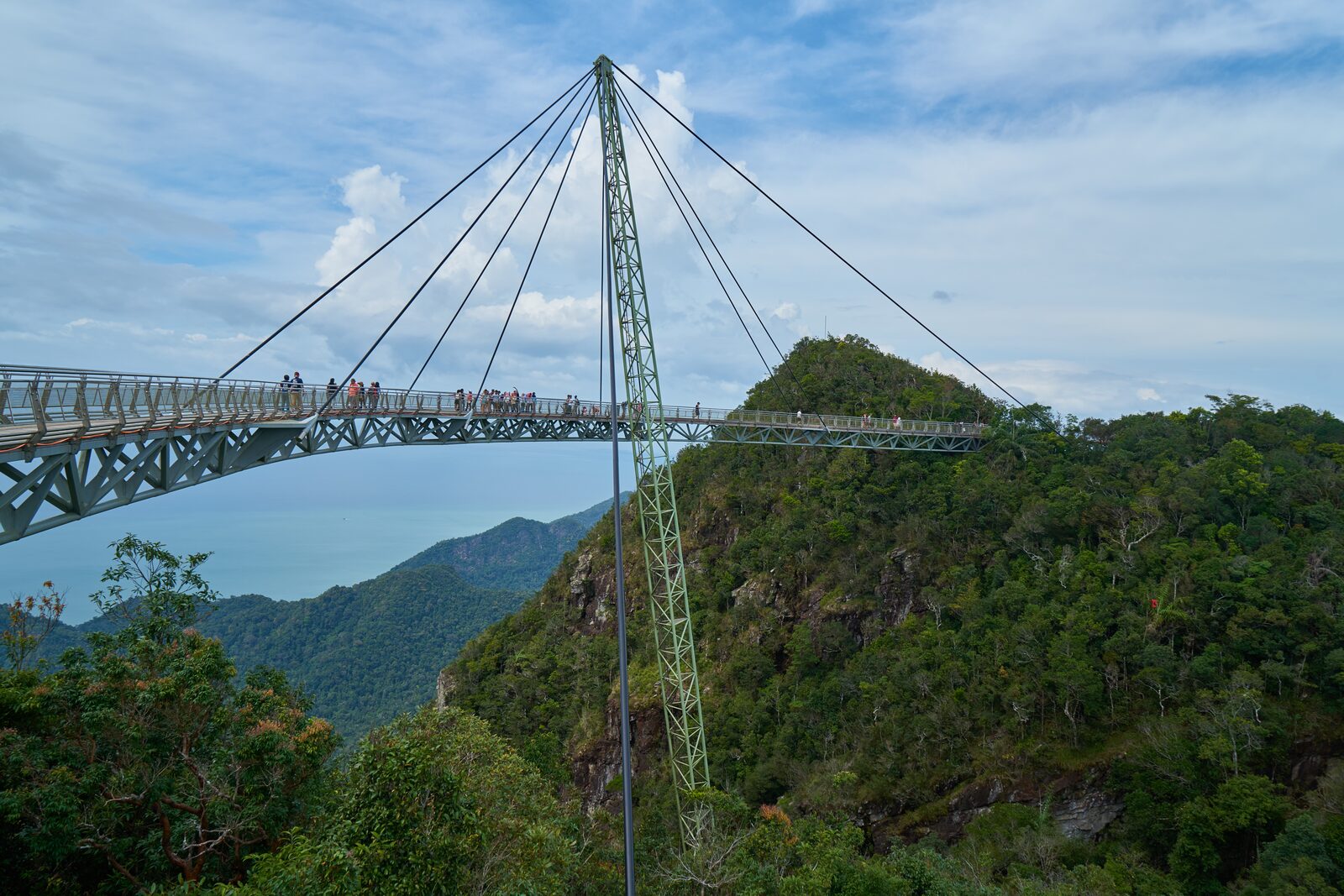
Best time for the west coast & Langkawi
For Penang, Langkawi and the Andaman-side beaches, the sweet spot is December to February — the clearest skies of the year, calm seas and warm water, which is exactly why it’s peak season with peak prices. June to August is the strong second window: the southwest monsoon’s afternoon showers tend to be brief and the rest of the day stays bright, so you still get plenty of beach time at slightly better rates.
April, September and October are wetter on the west coast, but rarely a write-off — rain often arrives late in the day. If your heart is set on Langkawi specifically, December–February gives you the most dependable weather for the cable car, island-hopping and the Sky Bridge.
Best time for the east-coast islands (Perhentian, Redang, Tioman)
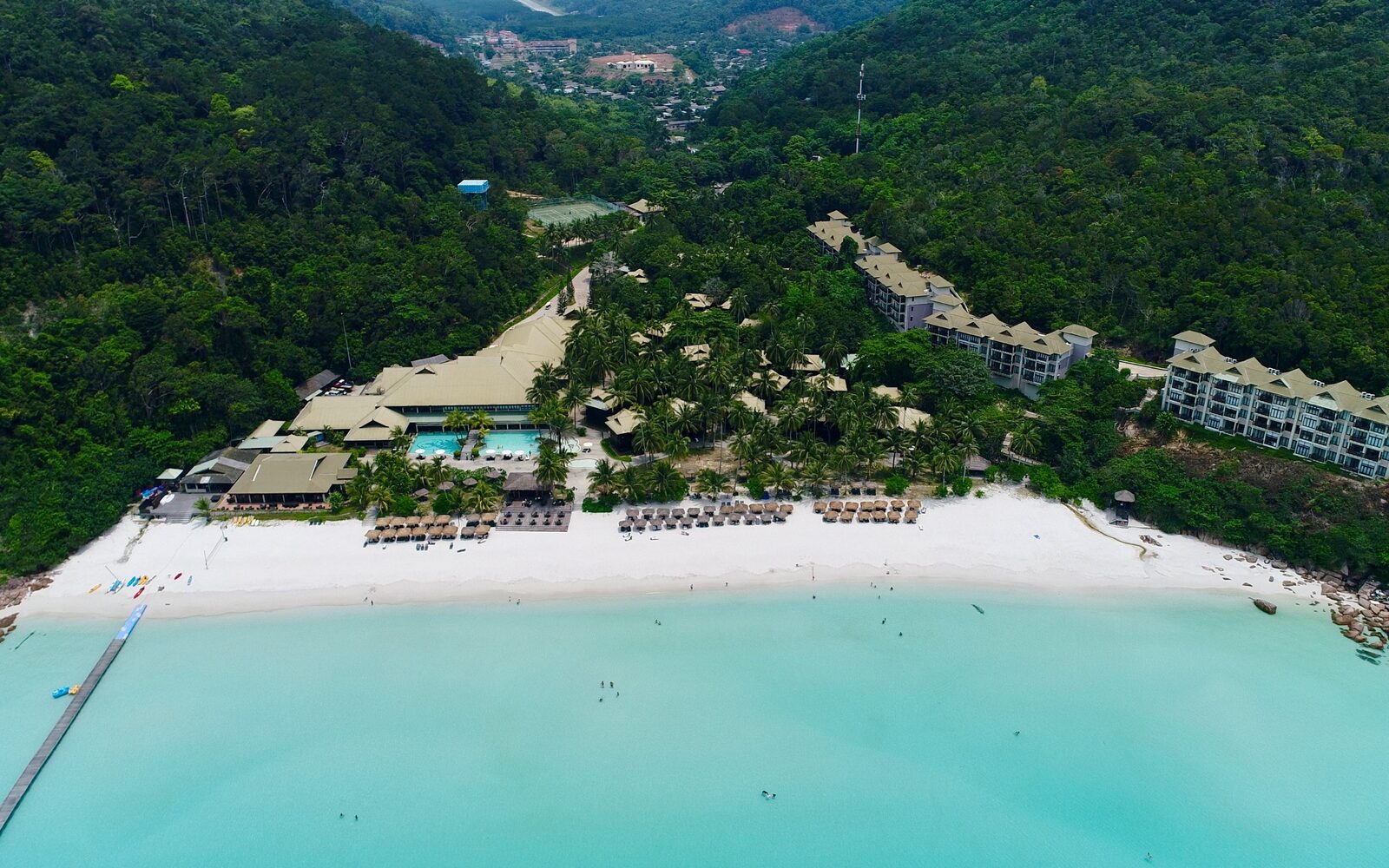
This is the part travellers most often get wrong, so we’ll flag it clearly: the east-coast islands effectively close from around November to February. The northeast monsoon brings rough seas and heavy rain, ferry services are suspended or sharply reduced, and a large share of resorts on the Perhentians, Redang and Tioman shut for the season. Don’t plan an east-coast island holiday in those months.
The reliable season is March to October, and the very best diving and snorkelling conditions — calmest seas, best visibility — usually land in June, July and August. March and April are excellent and a touch quieter; October is the last solid month before the monsoon returns. If turquoise water and reef life are the reason you’re coming to Malaysia, build the trip around this window.
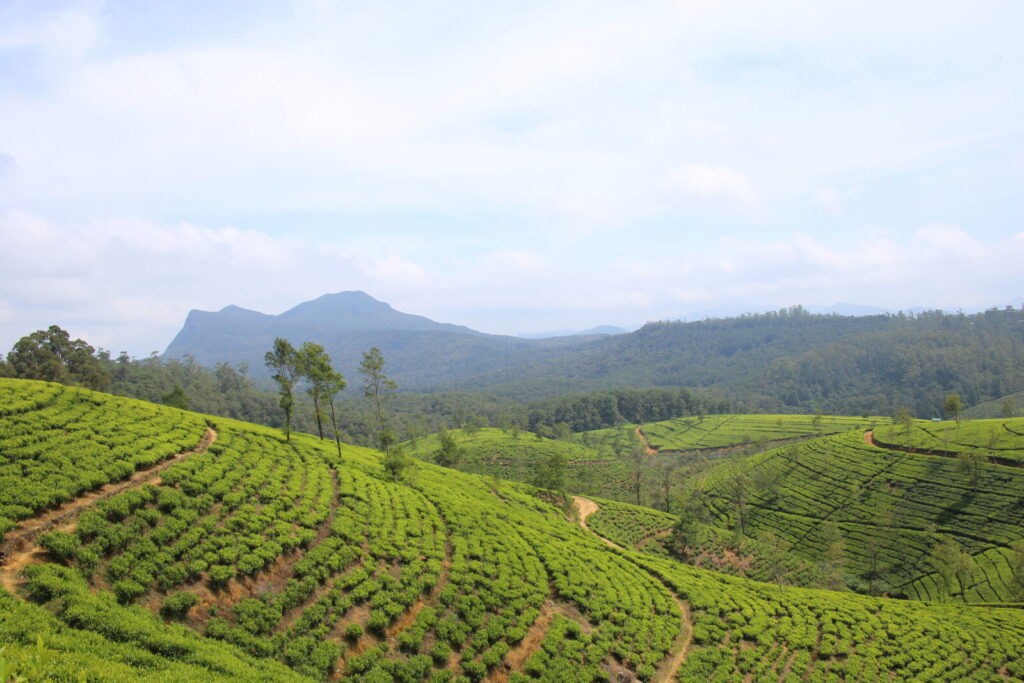
Best time for KL, the highlands & Borneo
Kuala Lumpur is a year-round city break — it’s mostly indoor-and-evening anyway (malls, food, towers, night markets), so a passing thundery shower barely dents the trip. That said, the December–February and June–August dry spells give you the easiest weather for walking, rooftop views and day trips.
The Cameron Highlands sit at altitude and stay cool (often 15–25°C) all year, with frequent afternoon mist and showers regardless of season — that’s part of the charm and what keeps the tea plantations green. Mornings are usually the clearest; pack a layer.
Borneo (Sabah and Sarawak) is at its driest from March to September, the best window for Mount Kinabalu, diving off Sipadan, and rainforest and orangutan trips. October to February is noticeably wetter. For climbing Kinabalu in particular, the drier mid-year months give you the best summit odds.
Best time to visit Malaysia for…
- West-coast beaches & Langkawi: December–February (peak) or June–August (great value).
- East-coast islands & diving: June–August for the calmest seas and best visibility; March–October overall. Avoid November–February.
- KL city & Cameron Highlands: any time; slightly easier weather December–February and June–August.
- Borneo & Mount Kinabalu: March–September.
- Budget travel: the shoulder months — May, September and early October — bring lower rates and thinner crowds while the weather is still workable on most coasts.
Festivals & key dates
Malaysia’s calendar is wonderfully multicultural, and the big festivals are reason enough to time a trip — just book early, as domestic travel and hotels fill fast. Several dates shift each year because they follow lunar or Islamic calendars, so always confirm the exact day for your travel year.
- Chinese New Year (late January or February) — vibrant in KL, Penang and Malacca; expect packed flights and trains around it.
- Thaipusam (January/February) — the spectacular Hindu festival, at its most dramatic at Batu Caves near KL.
- Hari Raya Aidilfitri (end of Ramadan; the date moves earlier each year on the Western calendar) — the country’s biggest holiday; cities empty out as people return to hometowns, and many small businesses close for a few days.
- Deepavali (October/November) — the Festival of Lights, beautiful in Little India districts.
How many days & getting there
For a first trip, 7–10 days is the comfortable sweet spot: a few days in Kuala Lumpur, then either a west-coast run (Penang and Langkawi) or, in season, an east-coast island stretch. Two weeks lets you add Borneo or the Cameron Highlands without rushing. If you only have a long weekend, KL plus one nearby escape works well any month.
Most visitors arrive through Kuala Lumpur International Airport (KLIA). To start smoothly, line up your ground transport in advance — our Kuala Lumpur airport transfer guide covers the fastest routes into the city, and if you’re heading south toward Singapore, see our Johor Bahru DMC services.
Frequently asked questions
What is the best month overall to visit Malaysia?
If you want one safe pick that works almost everywhere, choose June, July or August. The east-coast islands are at their diving best, the west coast is mostly dry, and Borneo is in its driest stretch — making it the easiest time to combine multiple regions in a single trip.
When is the cheapest time to visit Malaysia?
The shoulder months — May, September and early October — tend to bring the lowest hotel rates and the thinnest crowds, with weather that’s still workable across most of the country. Avoid Chinese New Year, the year-end holidays and Hari Raya, when prices spike.
When do the east-coast islands close?
The Perhentian, Redang and Tioman islands are hit by the northeast monsoon and effectively close from around November to February, when seas are rough, ferries stop and most resorts shut for the season. Plan east-coast island trips between March and October.
What is the best time to visit Langkawi?
Langkawi is on the west coast, so its best weather is December to February — clear skies and calm seas — with June to August a close second offering brighter mornings and better value despite occasional afternoon showers.
What is the best time for diving and snorkelling in Malaysia?
For the east-coast islands and reefs, June to August usually delivers the calmest seas and best underwater visibility, with March to October the broader season. For Sipadan and Borneo, the March to September dry window is ideal.
Is it worth visiting Malaysia in the rainy season?
Often yes — rain in Malaysia usually comes as short, heavy showers rather than all-day downpours, especially during the west coast’s southwest monsoon. Cities like KL, the cool Cameron Highlands and the west coast still work well; just skip the east-coast islands in their November–February off-season.
Plan your Malaysia trip
Timing is half the battle; the other half is a well-built itinerary that puts you in the right region for the season. As a Singapore-based destination management company, we plan and run Malaysia trips on the ground — matching your dates to the right coast, securing in-season island stays before they sell out, and handling transfers, guides and logistics end to end. Explore our Malaysia DMC services, then get in touch and we’ll build it around exactly when you can travel.

Travel DMC Group
Travel DMC Group is a B2B destination management company handling ground services — hotels, transfers, guided tours, MICE and group logistics — across Asia, the Middle East and the Caucasus. These guides are written by our in-house operations and product team from first-hand experience running group departures.
Recommended Posts

Kuala Lumpur Airport Transfer: KLIA to City Guide (2026)
June 22, 2026