

Best Time to Visit India: A Month-by-Month Guide (2026)
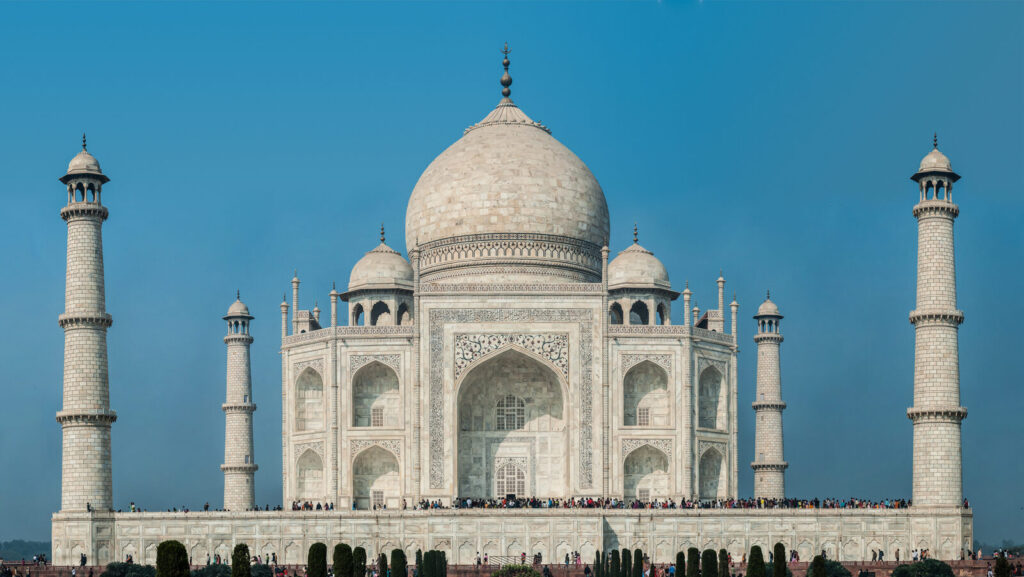
The best time to visit India is the cool, dry stretch from October to March — but India is a subcontinent, and the honest answer depends on which part you’re heading to. October–March suits the vast majority of the country: the North, the Golden Triangle of Delhi–Agra–Jaipur, Rajasthan, Kerala and the beaches of Goa all sit in their best window. The catch is that the same calendar that’s perfect for the plains is closed-road winter in the high Himalayas, and the monsoon that washes out most of the country is exactly when Kerala turns its lushest and Ladakh becomes reachable.
Here’s the operator’s quick version. For the Golden Triangle, Rajasthan and almost all classic first trips, travel October to March. For the Himalayas and Ladakh, you want the opposite end of the year — roughly May to September, when the passes are open. For Kerala and the South, October to March is driest, though the June–September monsoon has its own green, low-season appeal. Get the region-to-month match right and you’ll dodge brutal heat, washed-out roads and the worst of the crowds. The rest of this guide breaks it down month by month.
India’s seasons and regions: why one date doesn’t fit the whole country
India runs on three broad seasons, and they hit each region differently:
- Cool, dry season (roughly October to March) — the main travel window. Comfortable days, cool-to-cold nights on the northern plains, clear skies and minimal rain across most of the country. This is peak season for the Golden Triangle, Rajasthan, Goa and the South.
- Hot season (roughly April to June) — the plains turn fierce, with Delhi, Agra, Jaipur and Rajasthan regularly topping 40°C in May. It’s the worst time for sightseeing on the plains — but the best time for the Himalayan foothills and hill stations (Shimla, Manali, Darjeeling), which come alive as everyone escapes the heat.
- Monsoon (roughly June to September) — the southwest monsoon sweeps up the country, bringing heavy, often daily rain to most regions. It can flood roads and disrupt travel, but it also turns Kerala and the Western Ghats spectacularly green, and it’s the only stretch when high-altitude Ladakh is fully accessible.
So the practical rule: the plains and the South want October–March; the high mountains want May–September. Because India is so large, think less about a single “best month” and more about which region is in its best season when you can travel.
Month-by-month at a glance
| Month | North & Golden Triangle | South & Kerala | Himalayas | Crowds |
|---|---|---|---|---|
| January | Cool, dry — peak (foggy mornings) | Warm, dry — excellent | Cold, much closed | High |
| February | Cool, dry — peak | Warm, dry — excellent | Cold, closed | High |
| March | Warming, still good (Holi) | Hot building | Snow easing | High |
| April | Hot | Hot, humid | Foothills opening — good | Moderate |
| May | Very hot (40°C+) | Hot, pre-monsoon | Hill stations & Ladakh good | Low (hill stations busy) |
| June | Very hot, monsoon nearing | Monsoon arrives | Ladakh open — excellent | Low |
| July | Monsoon, humid | Heavy monsoon, lush | Ladakh peak; foothills wet | Low |
| August | Monsoon, humid | Monsoon, lush | Ladakh excellent | Low |
| September | Monsoon easing | Monsoon easing | Ladakh good, closing | Low |
| October | Dry, pleasant — season opens (Diwali) | Drying out — good | Cooling, closing | Rising |
| November | Cool, dry — excellent | Dry — excellent | Cold, closing | High |
| December | Cool, dry — peak (foggy north) | Warm, dry — peak | Cold, closed | High (year-end) |
The clearest takeaway from the table is the mirror-image pattern: the months that are perfect for the Golden Triangle and the South (the December peak) are the months the Himalayas are shut, and the months Ladakh opens up (June–August) are exactly when the plains are at their hottest and wettest. Plan around the region, not the calendar.
Best time for the Golden Triangle and Rajasthan (October–March)
If you’re doing the classic India trip — Delhi, Agra and the Taj Mahal, Jaipur, and on into Rajasthan — the answer is unambiguous: October to March. These months bring warm, dry days and cool nights, which is exactly what you want for long days of forts, palaces and the Taj. November to February is the heart of the season; expect comfortable sightseeing but also peak crowds and peak hotel rates, and book heritage hotels in Rajasthan well ahead.
Two practical notes. First, December and January mornings on the northern plains can be genuinely cold and foggy — dense fog around Delhi and Agra delays flights and trains, so build slack into your schedule. Second, by April the plains turn brutally hot, climbing past 40°C across Rajasthan in May, which makes daytime sightseeing punishing and is the main reason to avoid the Golden Triangle in late spring and early summer.
Best time for the South, Kerala and Goa
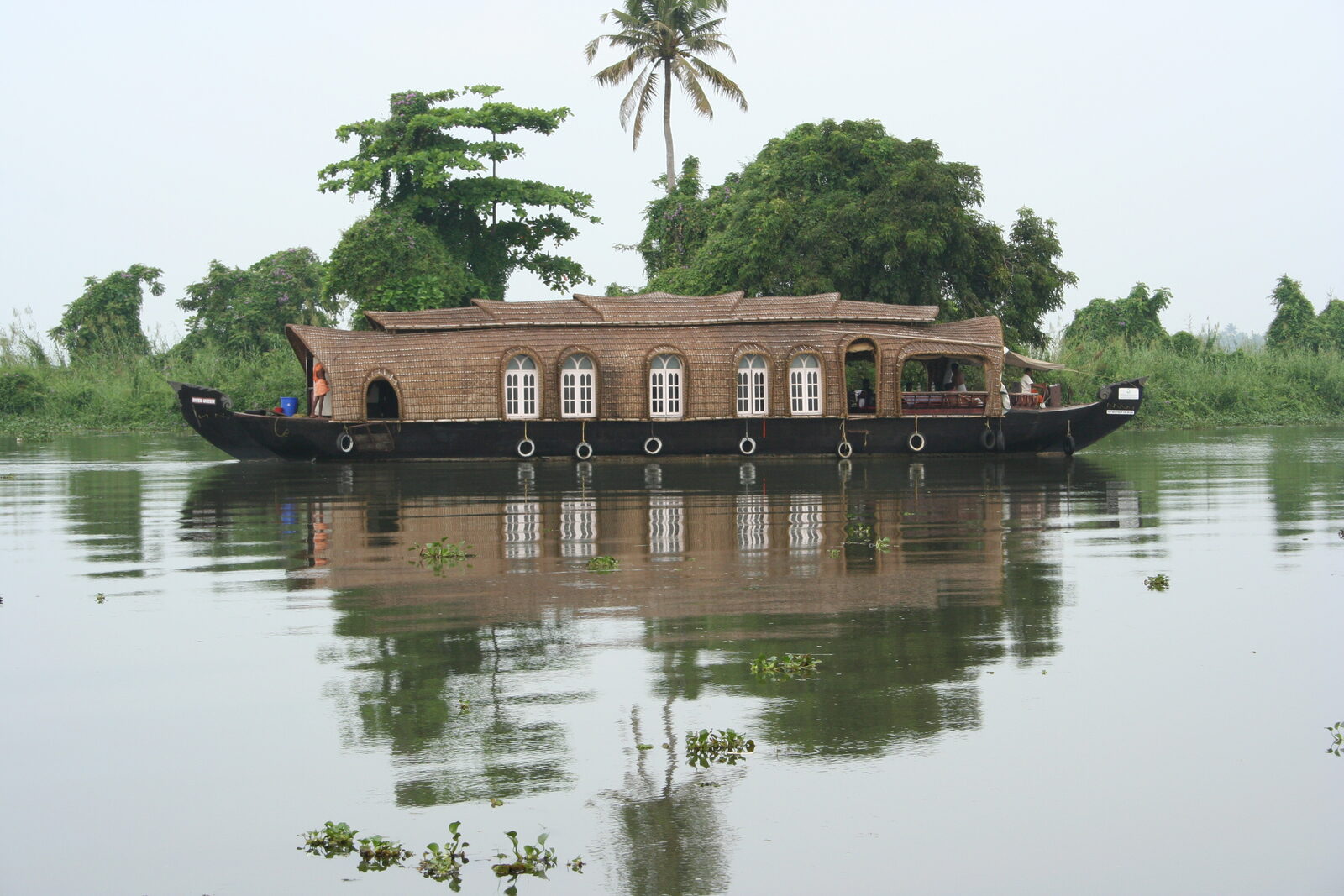
For Kerala and the South — the backwaters, Munnar’s tea hills, the temple towns of Tamil Nadu — the most comfortable, reliably dry window is October to March. That said, the June–September monsoon is a real (if niche) season here: the backwaters and Western Ghats turn impossibly green, rates drop, and Kerala’s Ayurveda retreats consider the rains the ideal time for treatments. It rains hard and often, so it’s a trade-off, not a beach holiday.
Goa runs on a tighter beach calendar: November to February is prime — warm, dry, calm seas and the full run of beach shacks and nightlife open for the season. October and March are decent shoulder months. From around June to September the monsoon shuts much of the beach scene down, with many shacks dismantled and rough seas, so it’s best avoided for a classic Goa beach break.
Best time for the Himalayas and Ladakh (summer)
Here the whole calendar flips. The Himalayan hill stations — Shimla, Manali, Mussoorie, Darjeeling — are at their best from April to June, when the plains are baking and the hills are cool, green and clear. They double as the country’s hot-season escape, so expect Indian families in force during May.
High-altitude Ladakh is the headline exception to every other rule in this guide. The high passes are snowbound and roads closed for much of the year; the reliable season is roughly May/June to September, with July and August the peak for the moonscape valleys, monasteries and lakes like Pangong. Crucially, this is also when the monsoon spares Ladakh — it sits in a rain shadow — so the months that wash out the rest of India are precisely the months Ladakh is open and dry. The far Northeast (Sikkim, Assam, Meghalaya) is best in the dry shoulders of October–April, avoiding the extremely heavy summer rains.
Best time to visit India for…
- Culture & the Golden Triangle: October–March, with November–February the comfortable peak for the Taj Mahal, Jaipur and Rajasthan.
- Beaches (Goa): November–February for warm, dry, full-season beach days.
- Kerala backwaters: October–March for dry comfort; June–September for lush, low-season green and Ayurveda.
- Wildlife & tiger safaris: roughly October to April, with the hot pre-monsoon months of March–April offering the best sightings as animals gather at shrinking waterholes. Most parks close during the monsoon.
- Himalayas & Ladakh: hill stations April–June; Ladakh May/June–September.
- Budget travel: the monsoon and the hot shoulder months (April and September) bring the lowest rates and thinnest crowds — workable in the right regions, punishing in the wrong ones.
Festivals worth timing a trip around
India’s festival calendar is one of the best reasons to pick your dates carefully — just book early, as domestic travel and hotels fill fast around the big ones. Several dates shift each year because they follow the Hindu lunar calendar, so always confirm the exact day for your travel year.
- Holi (usually March) — the riotous festival of colour, celebrated across the North; the Braj region around Mathura and Vrindavan is the most famous place to experience it.
- Diwali (usually October or November) — the festival of lights and the country’s biggest celebration, with lamps, fireworks and a festive buzz nationwide; it lands right as the cool travel season opens.
- Pushkar Camel Fair (usually November, in Rajasthan) — a vast livestock fair and cultural spectacle that pairs perfectly with a Golden Triangle and Rajasthan itinerary in peak season.
How many days do you need, and getting around
For a first trip, the Golden Triangle in 5–7 days is the classic introduction — Delhi, Agra and Jaipur at a sensible pace. Ten days to two weeks lets you add Rajasthan (Udaipur, Jodhpur, Jaisalmer) or extend south to Kerala without rushing. India is big and the distances are long, so internal flights and a private car-and-driver usually beat trying to self-drive.
For the route, day counts and logistics of the classic loop, see our India Golden Triangle group tour guide, which covers how the Delhi–Agra–Jaipur circuit fits together and what to add on either side.
Frequently asked questions
What is the best month to visit India?
For one safe pick that works across most of the country, choose November, December or February. Days are cool and dry across the North, the Golden Triangle and the South, the beaches are in season and the heat and monsoon are both well clear. Just expect peak crowds and prices, and foggy winter mornings on the northern plains.
What is the best time to visit the Golden Triangle?
The Golden Triangle — Delhi, Agra and Jaipur — is best from October to March, with November to February the comfortable peak. Days are warm and dry for sightseeing the Taj Mahal and the Rajasthan forts; avoid April–June, when the plains regularly exceed 40°C.
When is the cheapest time to visit India?
The cheapest months are generally the monsoon (June–September) and the hot shoulder weeks of April and September, when crowds thin and hotel rates fall. The value is real if you choose the right region — lush Kerala or open Ladakh in summer — rather than baking on the plains.
What is the best time to visit Kerala?
Kerala is most comfortable and reliably dry from October to March, ideal for the backwaters, hill country and beaches. The June–September monsoon is a lush, low-season alternative with lower prices and prime conditions for Ayurveda — but it rains hard, so it’s a trade-off rather than a beach holiday.
What is the best time for a tiger safari in India?
Tiger safaris run roughly October to April, as most national parks close during the monsoon. Sightings are typically best in the hot pre-monsoon months of March and April, when sparse foliage and shrinking waterholes draw animals into the open, though the heat is intense.
Is it worth visiting India during the monsoon?
For the right regions, yes. The June–September monsoon brings heavy rain and disruption to most of the plains, so it’s the worst time for the Golden Triangle. But it turns Kerala and the Western Ghats beautifully green, and it’s the only window when high-altitude Ladakh — which sits in a rain shadow — is open and dry.
Plan your India trip
Timing is half the battle; the other half is an itinerary that puts you in the right region for the season. As a Singapore-based destination management company, we plan and run India trips on the ground — matching your dates to the right region, securing in-season heritage stays and safari lodges before they sell out, and handling flights, transfers, guides and logistics end to end. Explore our India DMC services, then get in touch and we’ll build it around exactly when you can travel.
Hero image: Asitjain / Wikimedia Commons (CC BY-SA 3.0).

Travel DMC Group
Travel DMC Group is a B2B destination management company handling ground services — hotels, transfers, guided tours, MICE and group logistics — across Asia, the Middle East and the Caucasus. These guides are written by our in-house operations and product team from first-hand experience running group departures.
Recommended Posts
How Many Days Do You Need in India? (2026 Guide)
June 22, 2026
India Group Tours: The Golden Triangle and Beyond
June 19, 2026
What Is SIC in Travel? SIC Full Form, Meaning and How SIC Transfers Work
September 9, 2026