

Best Time to Visit Singapore: A Month-by-Month Guide (2026)
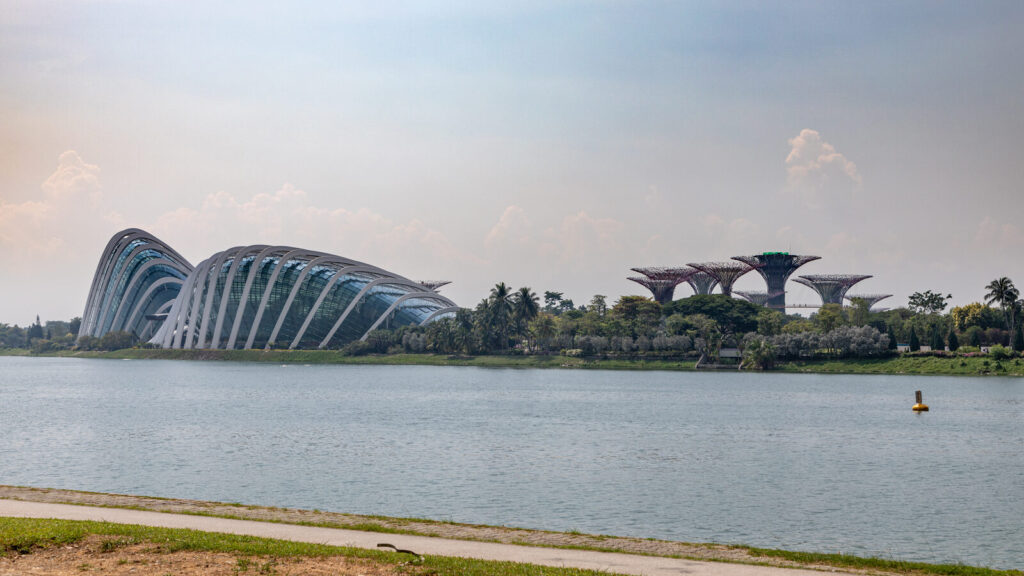
If you’re trying to pin down the best time to visit Singapore, here’s the honest answer from people who book trips here every week: there’s no bad month, but the sweet spot is February to April. Those are the driest, sunniest weeks of the year, the haze risk is near zero, and the crowds thin out after Chinese New Year. Singapore sits almost on the equator, so the temperature barely moves all year — roughly 26–32°C with high humidity, every single day. What actually changes from month to month is the rainfall, the crowd levels, and whether a big event is in town.
We run ground operations in Singapore, so this guide is built around what genuinely affects a trip — not just average temperatures that look the same in every column. Below you’ll find a month-by-month table, the difference between the dry and wet stretches, the truth about the haze, and the best months for sightseeing, shopping, fewer crowds and budget.
Singapore weather month by month
Temperatures hardly vary, so read this table by the rainfall and crowds columns — those are what you’ll actually feel.
| Month | Temp (°C) | Rainfall | Crowds & notes |
|---|---|---|---|
| January | 24–30 | High — tail of NE monsoon | Moderate; wet mornings, festive lights still up |
| February | 24–32 | Driest month of the year | Busy around Chinese New Year (17 Feb 2026) |
| March | 24–32 | Low–moderate, sunny | Pleasant; school-holiday bump late March |
| April | 25–33 | Low–moderate, hottest start | Quieter, good value, very warm afternoons |
| May | 25–33 | Moderate thunderstorms | Hot & humid; Great Singapore Sale begins |
| June | 25–32 | Moderate | Family peak (school holidays); sale season |
| July | 25–32 | Lower (relatively dry) | Busy; possible early haze |
| August | 25–32 | Moderate | National Day 9 Aug; haze risk starts |
| September | 24–32 | Moderate, rising | F1 weekend = packed & pricey; haze possible |
| October | 24–32 | Rising — inter-monsoon storms | F1 (9–11 Oct 2026); Deepavali build-up; haze possible |
| November | 24–31 | Wettest stretch begins | NE monsoon; Deepavali 8 Nov; fewer tourists |
| December | 24–30 | High, frequent downpours | Festive crowds; Orchard Road lights; cooler, coolest month |
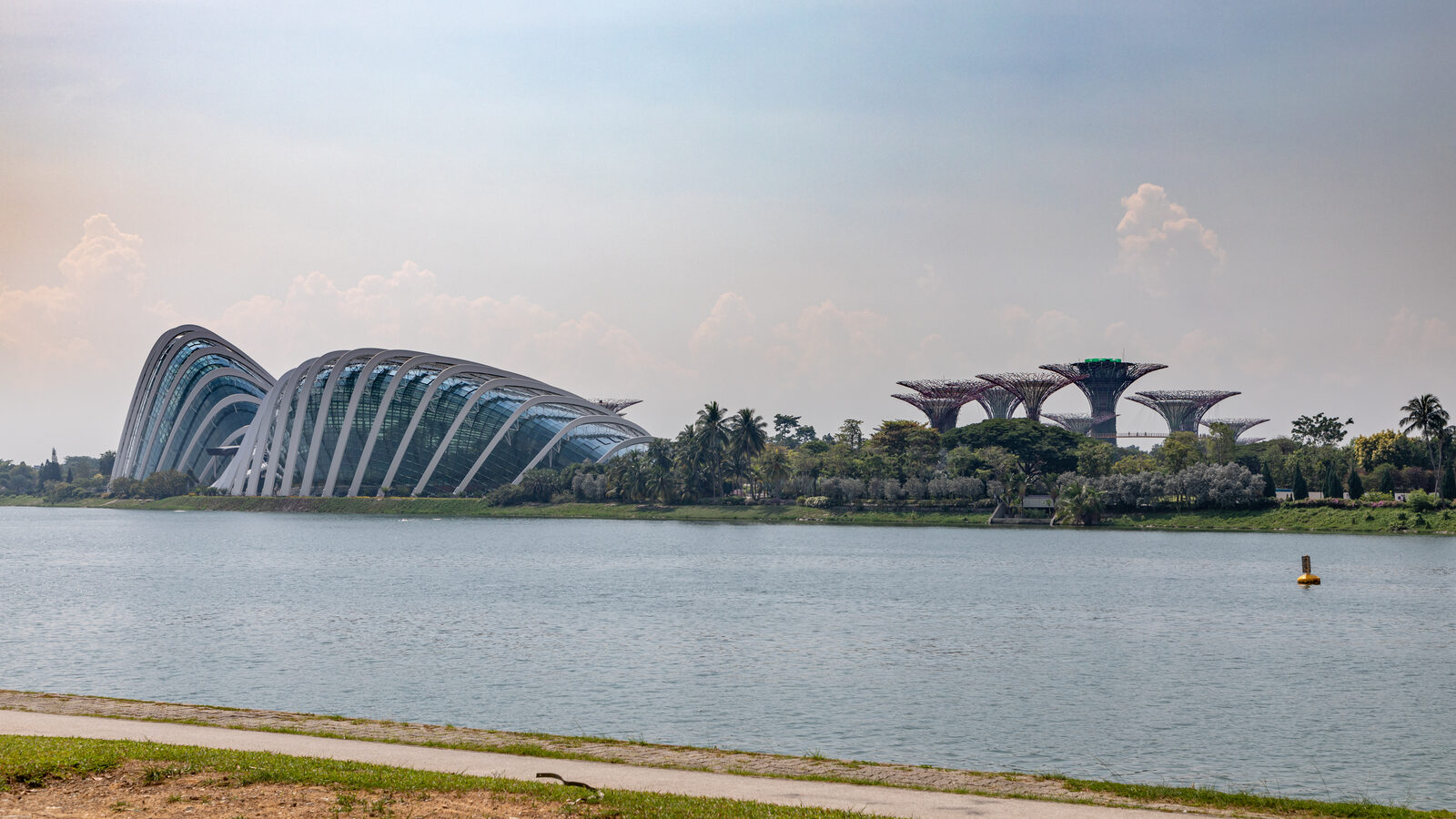
The drier months (Feb–Apr) vs the wet NE monsoon (Nov–Jan)
Singapore’s year really splits into two patterns. The Northeast Monsoon (November to January) is the wettest window — November and December typically see rain on around 18–20 days, often as longer, heavier afternoon downpours. December is also the coolest and most humid month, and it’s peak festive season, so prices and crowds climb even though the weather is at its dampest.
The opposite is the dry phase from February to April. February is statistically the driest month of the year, March stays bright, and April brings the most sunshine — though it’s also the hottest, so afternoons can be intense. Between the two main monsoons sit the inter-monsoon periods (roughly April–May and October–November), when you get short, sharp thunderstorms that build in the afternoon and clear quickly. The June–September Southwest Monsoon is in between: warm, generally drier than November–December, but with occasional pre-dawn “Sumatra squalls.”
- Want the driest, sunniest trip: aim for February to April.
- Don’t mind rain and want festive energy: December delivers, with a backup plan.
- Want a balance of decent weather and fewer crowds: March or late November.
Will it rain on my trip?
Almost certainly, at some point — and that’s fine. Singapore rain is rarely the all-day grey drizzle you might picture. It’s tropical: a heavy, dramatic downpour that often lasts 30–60 minutes, usually in the afternoon, then the sun comes back and the streets dry fast. Even in the “dry” months you should expect the odd shower.
The trick is simply to plan indoor backups around midday and afternoon. Singapore is built for this — much of the city is connected by sheltered walkways, malls and the MRT. Keep a flexible list: the Flower Dome and Cloud Forest, the National Museum and ArtScience Museum, the shops of Orchard Road, or a long lunch in a hawker centre. A small umbrella and quick-dry clothing beat a rigid hour-by-hour schedule.
The haze: what to know (Aug–Oct)
We’ll be straight with you, because most glossy guides skip it. In some years Singapore experiences haze — a smoky air-quality drop caused by agricultural and forest fires in the wider region, carried over on the wind. It’s most likely during the drier Southwest Monsoon, roughly August to October, and it varies a lot year to year: some years there’s barely any, others see a few hazy days.
It’s worth knowing about, not fearing. When haze appears, Singapore publishes a live PSI (Pollutant Standards Index) reading you can check before heading out. On hazier days, just shift toward indoor attractions and you’ll barely notice it. If you or your travellers are sensitive to air quality, February–April sidesteps the haze window entirely.
Best time to visit Singapore for…
…sightseeing & the outdoors
February to April. Driest weather, the most reliable sunshine for Gardens by the Bay, Sentosa, the Botanic Gardens and walking tours, and no haze risk. March is the all-rounder if you want one safe pick.
…shopping & sales
Late May through July for the Great Singapore Sale, when Orchard Road and the malls run their biggest discounts. December’s festive season is the other strong shopping window, with year-end promotions and the Orchard Road light-up.
…fewer crowds
Late January (before Chinese New Year), April, and early November. These fall between the big holiday peaks, so attractions are calmer and queues shorter. Avoid the F1 weekend in October and the December festive surge if quiet is your priority.
…budget travel
April and the first half of November. Hotel rates tend to be softest outside school holidays, Chinese New Year, the F1 weekend and the December peak. You’ll trade a slightly higher chance of rain (in November) for noticeably better prices.
Events & festivals calendar
Timing a trip around an event can make it — just book early, because flights and hotels move fast around these dates.
- Chinese New Year (17 Feb 2026): Chinatown lights, festivities and a buzzing River Hongbao; some smaller shops close for a day or two.
- Great Singapore Sale (late May–July): the country’s flagship shopping season across Orchard Road and the malls.
- National Day (9 Aug): the National Day Parade, military flypast and a major fireworks finale over Marina Bay.
- F1 Singapore Grand Prix (9–11 Oct 2026): the marquee night race on the Marina Bay street circuit, paired with big-name concerts. Book months ahead.
- Deepavali (8 Nov 2026): the Festival of Lights, with Little India glowing under elaborate street decorations.
- Christmas on Orchard Road (Nov–Dec): Singapore’s famous festive light-up and the year-end celebrations through New Year’s Eve.
How many days & getting around
Singapore is compact and superbly connected, so you can see the headline sights in a focused stay. Three to four days covers the icons — Marina Bay, Gardens by the Bay, Sentosa, Chinatown and Little India — with breathing room. Short on time? Our Singapore in 48 hours itinerary shows how much you can pack into a weekend.
Getting around is easy: the MRT is clean, fast and air-conditioned (a blessing on hot or rainy days), and taxis and ride-hailing are plentiful. For a smooth arrival, sort your ride from the airport in advance — see our guide to simplifying Singapore airport transfers. For end-to-end planning, group trips and tailored itineraries, our Singapore DMC services handle the on-the-ground logistics.
Frequently asked questions
What is the best month to visit Singapore?
February is the best month overall — it’s the driest month of the year, with the most sunshine and the lowest haze risk. March and April are close behind. If you want festive atmosphere over dry weather, December is the lively alternative.
What is the cheapest time to visit Singapore?
April and the first half of November tend to be the cheapest, as they fall outside school holidays, Chinese New Year, the F1 weekend and the December peak. Avoiding those high-demand dates is the single biggest lever on price.
What are the rainiest months in Singapore?
November and December are the wettest, during the Northeast Monsoon — expect rain on most days, usually as heavy afternoon downpours. Even then, showers tend to be short rather than all-day, so trips are very doable with indoor backups.
When is the Singapore F1 Grand Prix?
The 2026 Formula 1 Singapore Grand Prix runs 9–11 October, with the night race on Sunday 11 October. It’s one of the busiest and most expensive weekends of the year, so book flights and hotels well in advance if you’re travelling around it.
Is the haze a problem in Singapore?
It can be, mainly between August and October, and it varies a lot year to year — some years see almost none. Singapore publishes a live PSI air-quality reading, and on hazier days you can simply switch to indoor attractions. To avoid it entirely, travel between February and April.
How many days do you need in Singapore?
Three to four days is ideal for first-timers to cover the main sights without rushing. You can see the highlights in a packed 48 hours, while five days or more gives space for day trips, Sentosa and a slower pace.
Plan your Singapore trip
Whatever month you choose, the right local partner turns Singapore’s weather, events and crowds from a guessing game into a smooth itinerary. As a Singapore-based destination management company, we plan trips around the conditions — dry-season sightseeing, sale-season shopping, or an event weekend — and handle transfers, hotels, tours and group logistics on the ground. Get in touch with our team to start planning, or explore our Singapore DMC services.
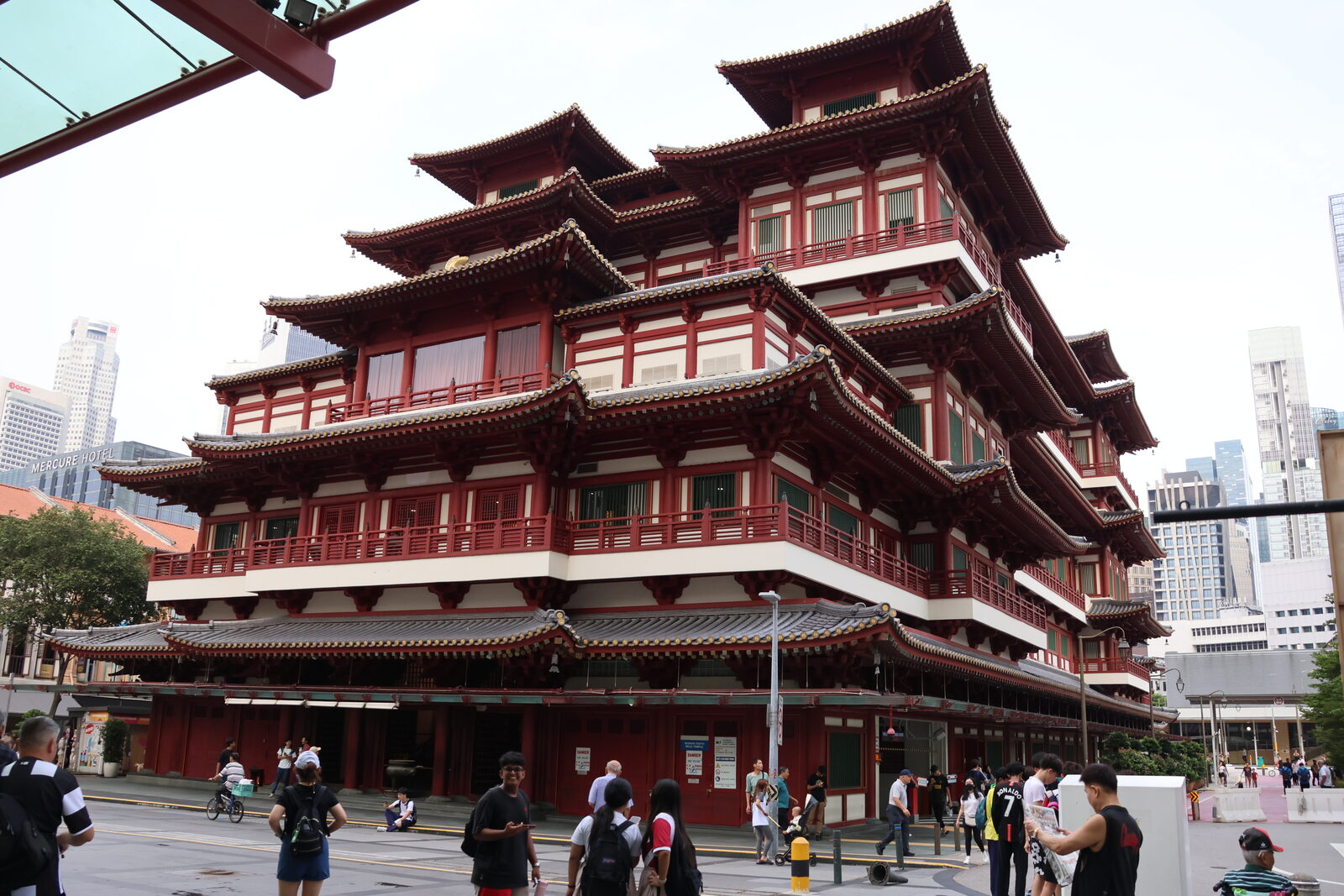
Image credits: Gardens by the Bay — Dietmar Rabich, CC BY-SA 4.0, via Wikimedia Commons. Chinatown — Pangalau, CC BY-SA 4.0, via Wikimedia Commons.

Travel DMC Group
Travel DMC Group is a B2B destination management company handling ground services — hotels, transfers, guided tours, MICE and group logistics — across Asia, the Middle East and the Caucasus. These guides are written by our in-house operations and product team from first-hand experience running group departures.
Recommended Posts
How Many Days Do You Need in Singapore? (2026 Guide)
June 22, 2026
Singapore – Batam – Kuala Lumpur Itinerary
September 6, 2025