

Best Time to Visit Thailand: A Month-by-Month Guide (2026)
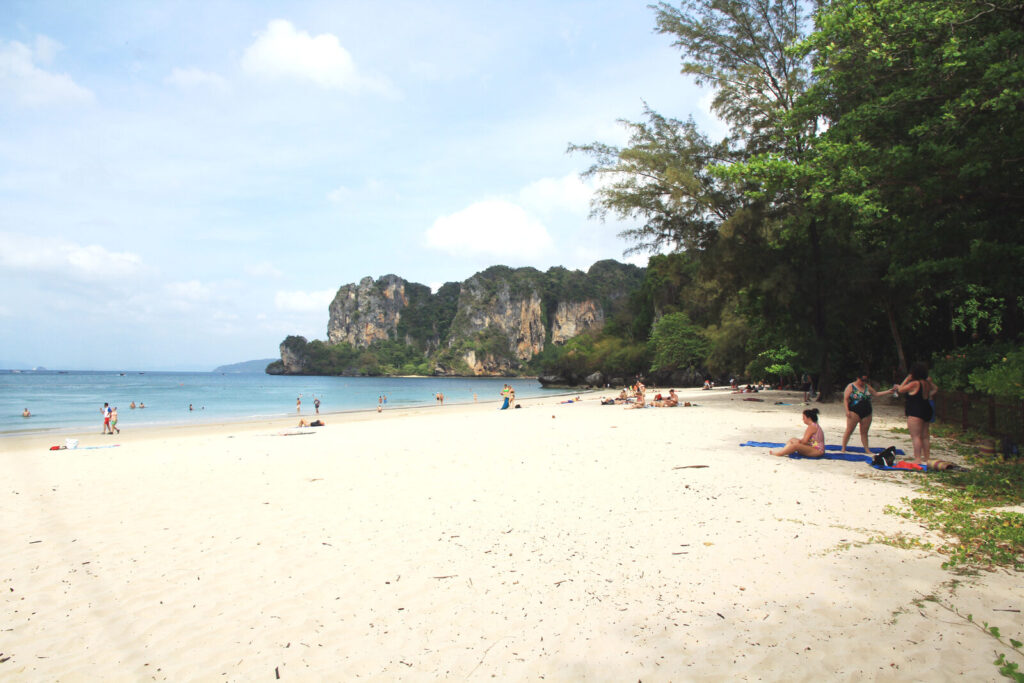
The best time to visit Thailand is the cool, dry season from November to February, when most of the country sees blue skies, low humidity and comfortable temperatures — perfect for island-hopping in the south and temple days in Bangkok and Chiang Mai. It is also the peak season, so prices and crowds climb, especially over Christmas and New Year. That said, Thailand is a year-round destination, and the “right” month depends on whether you are chasing beaches, culture, diving or a smaller bill.
Two things trip up first-timers: the country is long enough to have real regional differences, and its two coastlines have opposite rain patterns. Below is the month-by-month picture, then the nuance that actually decides where you should go and when.
Thailand weather month by month
| Month | Weather | Region notes | Crowds |
|---|---|---|---|
| January | Cool, dry, sunny | Peak everywhere; coolest in the north | Very high |
| February | Dry, warm, low humidity | Excellent nationwide; haze can start late in the north | High |
| March | Heating up, dry | North gets hazy from crop burning; beaches still good | Medium |
| April | Hottest month, humid | Songkran mid-month; very hot inland | Medium-high |
| May | Hot, first monsoon showers | Green season begins on the Andaman coast | Low |
| June | Warm, afternoon showers | Lush; good shoulder-season value | Low |
| July | Showers, some sun | Gulf islands (Samui) often drier than Andaman | Low-medium |
| August | Wettest in much of the country | Heavy but short downpours; everything green | Low |
| September | Wettest month for many areas | Andaman coast can see closures of boat services | Low |
| October | Rain easing in most areas | Gulf coast now getting wetter; Loy Krathong late month or Nov | Low-medium |
| November | Cool season returns, drying out | Andaman reopens fully; Gulf still wet | Rising |
| December | Cool, dry, sunny | Peak holiday season nationwide | Very high |
As a rule of thumb: book November to February for the most reliable weather, accept the heat and crowds of March to April if your dates are fixed, and treat May to October as the value window — wetter, cheaper and far quieter, with the south’s two coasts behaving very differently (more on that below).
Cool season (Nov–Feb): the best time
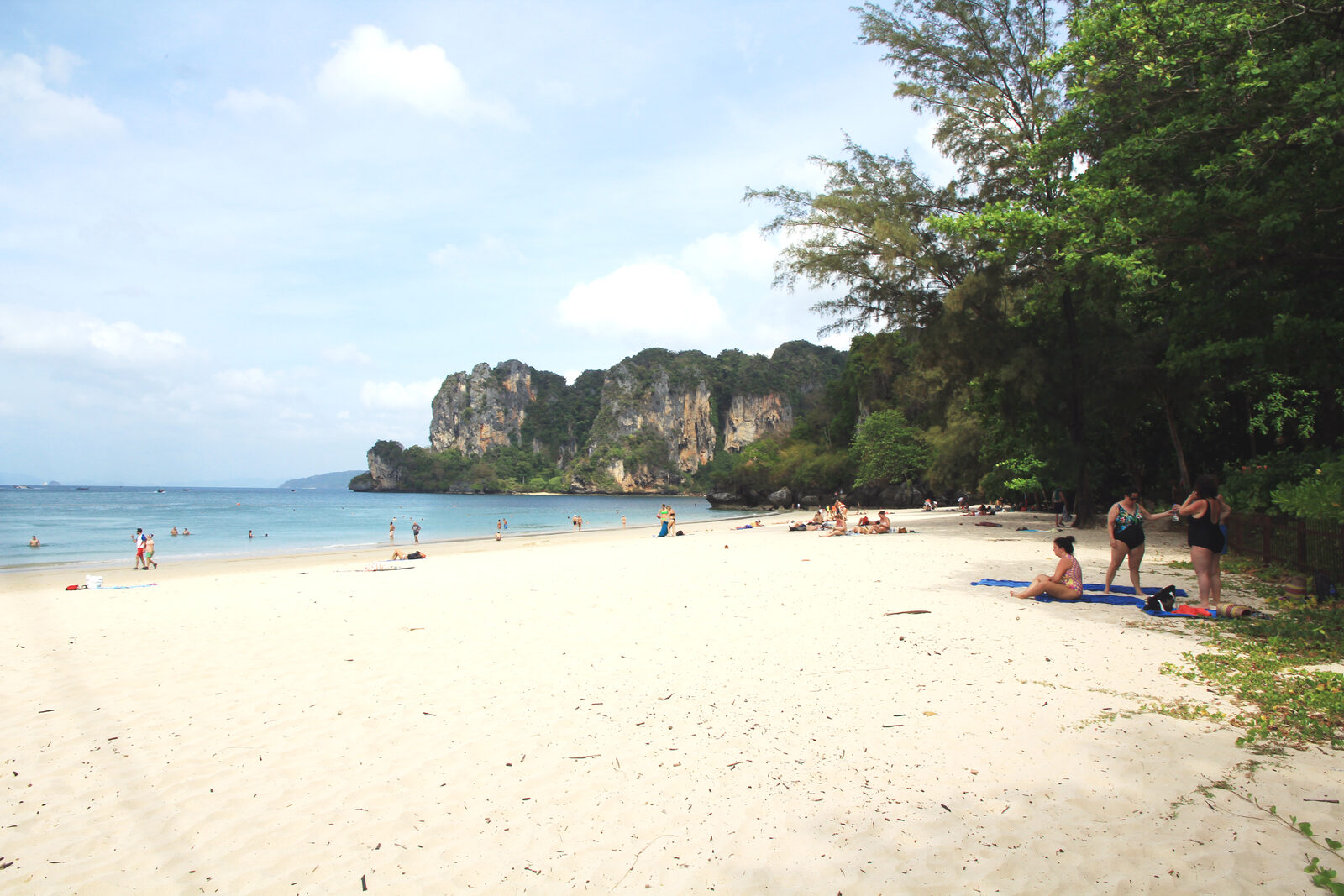
This is the season Thailand is famous for. The northeast monsoon brings dry air and clear skies to most of the country, daytime temperatures sit around 28–32°C with much lower humidity, and evenings in the north and the highlands genuinely cool off — Chiang Mai and Chiang Rai can drop into the low teens, and you may want a light jacket for early morning markets or hill viewpoints.
It is ideal for almost everything: lounging on Andaman beaches, exploring Bangkok’s temples and markets without melting, trekking around Chiang Mai, and visiting the ruins of Ayutthaya or Sukhothai. The catch is demand. Hotels, flights and tours are at their most expensive, and the stretch from mid-December to early January is the single busiest window of the year. If you want cool-season weather without peak-season prices, target November or early February — the shoulders of the high season.
Hot season (Mar–May) & green season (Jun–Oct)
Hot season: March to May
Temperatures climb steadily, peaking in April when inland cities like Bangkok, Ayutthaya and the northeast (Isan) regularly hit 38–40°C and feel hotter with humidity. This is when the sea is at its most inviting, so beaches and islands stay popular even as the cities sizzle. One downside in the north: from roughly late February into April, agricultural burning creates a smoky haze around Chiang Mai that can dull views and affect air quality — if you are sensitive to that, skip the far north in March.
Green (rainy) season: June to October
The southwest monsoon brings the rains, but it rarely means all-day washouts. The typical pattern is sunshine for much of the day and a heavy, dramatic downpour in the afternoon or overnight that clears quickly. In return you get the lowest prices of the year, the thinnest crowds, and a countryside that turns brilliant green — rice paddies, waterfalls and jungle are at their most photogenic. August and September are the wettest months in much of the country, and on the Andaman coast some small-boat services and outer-island day trips pause when seas get rough. For a city-and-culture trip, or a flexible beach trip on the right coast, green season can be the smartest-value way to see Thailand.
Different coasts, different weather
This is the detail that saves trips. Thailand’s southern beaches sit on two coasts that face opposite directions, so they get rain at different times of year. Picking the right coast for your dates matters more than the calendar month.
- Andaman coast (west) — Phuket, Krabi, Phi Phi, Khao Lak, Koh Lanta: best from November to April. Wettest June to October during the southwest monsoon, with the roughest seas around August–September.
- Gulf coast (east) — Koh Samui, Koh Phangan, Koh Tao: a different rhythm. These islands stay relatively dry through much of the green season and are driest February to September, but they get their heaviest rain October to December, peaking in November.
The practical upshot: if you are travelling in, say, September and want a beach, head to the Gulf (Samui), not the Andaman (Phuket). If you are travelling in December or January, the Andaman coast is the safer bet while Samui is in its wettest stretch. Many travellers in November and December split the difference by basing on the Andaman side.
Best time to visit Thailand for…
Islands & beaches
For the Andaman favourites (Phuket, Krabi, Phi Phi), aim for November to April. For the Gulf islands (Samui, Phangan, Tao), the sweet spot is roughly February to September — avoid October to December there.
Bangkok & temples
Culture trips through Bangkok, Ayutthaya and the north are most comfortable in the cool, dry November to February window, when long days of walking temples and markets do not leave you drenched.
Diving & snorkelling
Andaman diving (including the Similan Islands, typically open mid-October to mid-May) is best from November to April, with the clearest visibility February to April. On the Gulf side, Koh Tao dives year-round but is at its best March to September. Whale-shark sightings are never guaranteed, but encounters cluster in those respective dry windows.
Budget travel
The cheapest time to visit Thailand is the green season, roughly May to October (excluding the Songkran spike in April). Flights, hotels and tours are at their lowest, and crowds are thin. Pick the coast that is drier for your month and you can have great beach weather at half the high-season price.
Festivals worth planning around
Songkran — Thai New Year (mid-April)
Thailand’s most famous festival, held around 13–15 April, marks the traditional New Year with a nationwide water fight. Streets in Bangkok (Khao San Road, Silom), Chiang Mai and beach towns turn into joyful, soaking-wet celebrations. It is enormous fun, but book well ahead — it is a national holiday, transport fills up, and many businesses close for a few days. Expect to get wet whether you join in or not.
Loy Krathong (November)
On the full moon of the twelfth lunar month — usually November — Thais float small decorated baskets (krathong) carrying candles and flowers onto rivers, lakes and the sea, a gesture of gratitude and letting go. Riversides in Bangkok, Sukhothai and Chiang Mai glow with thousands of tiny lights. It is one of the most atmospheric times to be in the country.
Yi Peng lanterns (Chiang Mai, November)
Coinciding with Loy Krathong, Chiang Mai’s Lanna festival of Yi Peng releases thousands of glowing paper lanterns (khom loi) into the night sky. The mass-release events sell out fast and dates shift with the lunar calendar each year, so if this is on your list, lock in dates and accommodation months in advance.
How many days & getting there
For a first trip, 7 to 10 days lets you pair Bangkok with one region — either the islands or the north — without rushing. Two weeks comfortably covers Bangkok, Chiang Mai and a beach. Most international visitors arrive through Bangkok’s Suvarnabhumi (BKK) or Don Muang (DMK) airports, then connect by short domestic flight to Phuket, Krabi, Samui or Chiang Mai. To plan that first leg smoothly, see our guide to the Bangkok airport transfer options, then read up on the regions and itineraries on our Thailand DMC page.
Frequently asked questions
What is the best month to visit Thailand?
December and January are the best overall months — cool, dry and sunny across most of the country — but they are also the busiest and priciest. For the same fine weather with fewer crowds, November and early February are the smartest picks.
What is the cheapest time to visit Thailand?
The cheapest time is the green (rainy) season, roughly May to October. Flights and hotels drop sharply and crowds thin out. Rain usually comes in short afternoon bursts rather than all-day washouts, and you can still find good beach weather by choosing the drier coast for your dates.
When is Songkran?
Songkran, the Thai New Year water festival, falls around 13–15 April every year. It is a national holiday celebrated nationwide with street-wide water fights, so book transport and hotels early and expect some closures.
What is the best time to visit the Thai islands?
It depends on the coast. The Andaman islands (Phuket, Krabi, Phi Phi) are best November to April. The Gulf islands (Koh Samui, Koh Phangan, Koh Tao) are best around February to September and should be avoided in their wettest stretch, October to December.
Phuket or Koh Samui — which has better weather and when?
They peak at opposite times. Phuket (Andaman) is driest November to April and wettest June to October. Koh Samui (Gulf) is relatively dry February to September but wettest October to December. Choose Phuket for a winter beach trip and Samui for a summer one.
Is the rainy season worth visiting Thailand?
For many travellers, yes. Rain typically falls in short, heavy bursts, leaving plenty of dry hours, while prices are at their lowest and crowds are minimal. The landscape is lush and green, and city-and-culture trips are barely affected. Just match your beach plans to the drier coast for the month, and keep island day trips flexible.
Plan your Thailand trip
Whatever month you land on, the difference between a good Thailand trip and a great one is matching the season to the right region — and a local team handling the logistics. As a Singapore-based DMC, we build tailored Thailand itineraries with the timing, coast and routing chosen around your dates, plus vetted hotels, guides and transfers on the ground. Contact us to start planning, or explore destinations and sample itineraries on our Thailand DMC page.
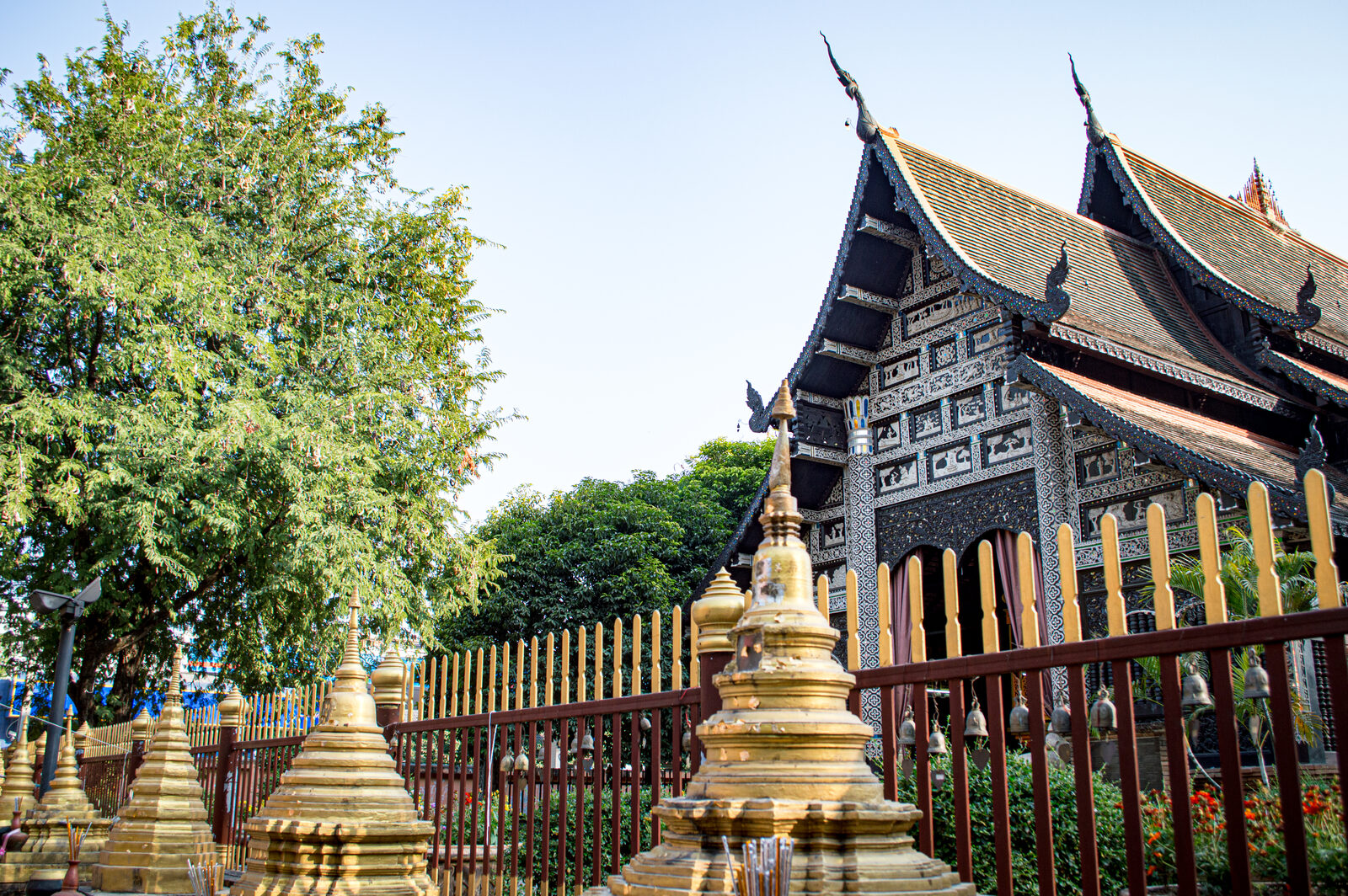
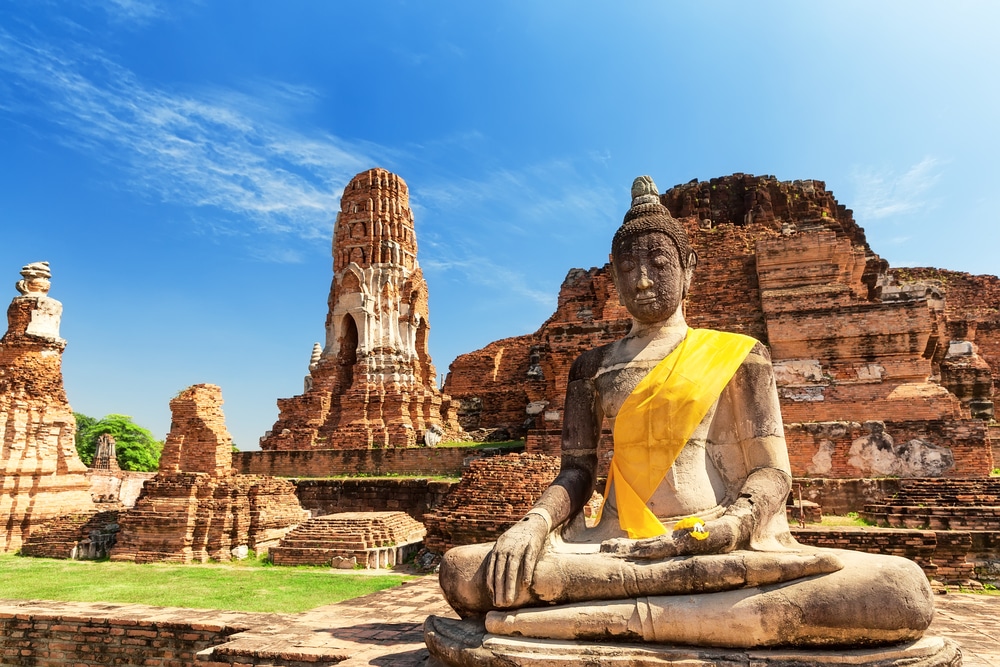
Inline temple photo: Philip Nalangan, CC BY 4.0, via Wikimedia Commons.

Travel DMC Group
Travel DMC Group is a B2B destination management company handling ground services — hotels, transfers, guided tours, MICE and group logistics — across Asia, the Middle East and the Caucasus. These guides are written by our in-house operations and product team from first-hand experience running group departures.
Recommended Posts
How Many Days Do You Need in Thailand? (2026 Guide)
June 22, 2026

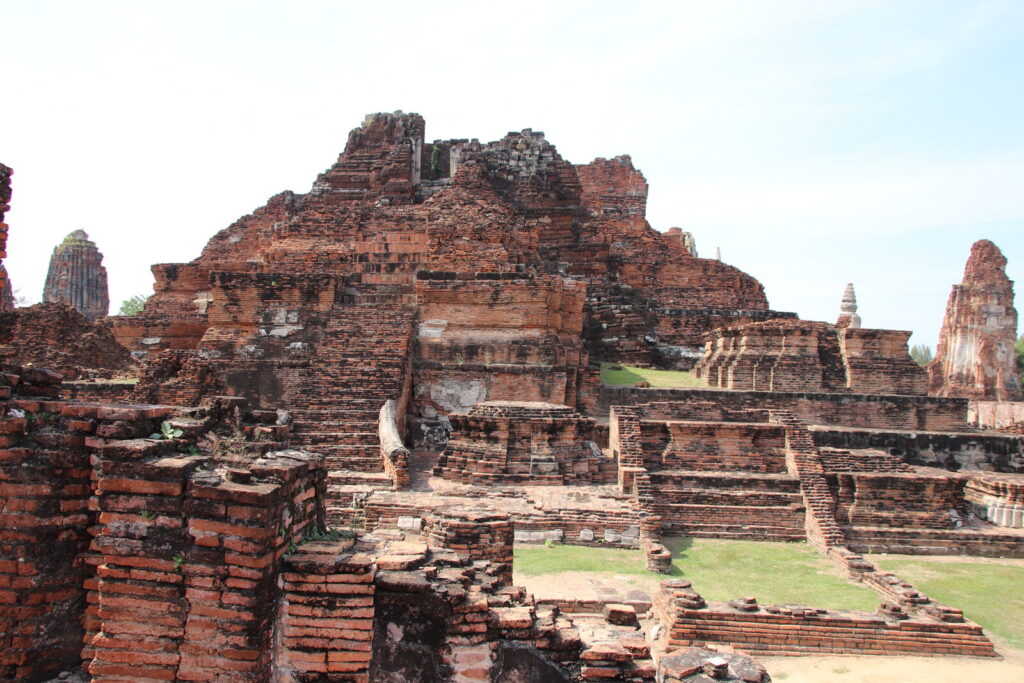
7 Enchanting places to visit in Ayutthaya
May 17, 2019