

Why Use a DMC in Japan? Ground Handling, Rates & Peak-Season Tips
Japan is the destination where a good DMC earns its fee twice over. It’s safe, punctual and astonishing — and also a country where the language barrier, the booking systems and the seasonal crush can quietly wreck a group itinerary that looked fine on paper. Agents who try to run Japan like they’d run Thailand or Dubai usually learn this the hard way. Here’s where local ground handling makes the difference.
If you’re new to the model, our explainer on what a DMC is covers the basics; this is the Japan-specific version. We also run combined East Asia circuits — Japan pairs cleanly with our South Korea DMC programme for agents who want one operator across two countries.
The language and booking barrier
A surprising amount of Japan still runs in Japanese — restaurant reservations, ryokan (traditional inn) bookings, many regional transport tickets, and the etiquette around them. International availability online is thin, and the best ryokan and Michelin tables don’t take faceless overseas requests. A local Japan DMC holds those relationships and books in-language, which is how groups get into places they couldn’t reach on their own. It also matters when something goes sideways — a delayed flight, a dietary issue at dinner — because the fix happens in Japanese, on the phone, in minutes.
Where to take a group in Japan
Most first-time group programmes draw from the same core regions, which connect by rail far better than they look on a map:
- Tokyo — the standard arrival point, with two airports (Narita and Haneda) and the deepest hotel inventory in the country. Two to three nights: districts like Asakusa and Shibuya, day trips to Nikko or Kamakura, and the most MICE-ready venue stock.
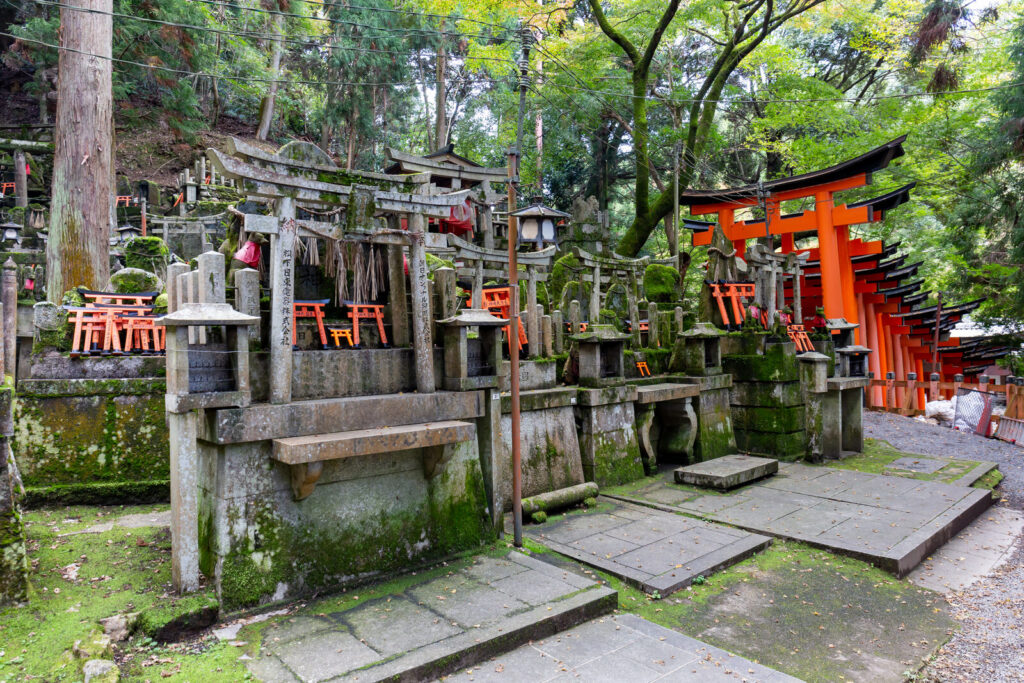
- Kyoto — the cultural anchor. Temples, shrines, the geisha districts of Gion, and the best base for tea ceremony and traditional craft experiences. Hotel space here is the tightest in peak season, so it drives the booking calendar for the whole trip.
- Osaka — food, nightlife and a more relaxed register than Kyoto, plus strong air links and a convenient exit point via Kansai Airport. Often paired with Kyoto since the two are 15 minutes apart by Shinkansen.
- Hakone / Mt Fuji — the ryokan-and-onsen overnight that most groups want for the cultural payoff: hot-spring bathing, kaiseki dining and Fuji views. Limited room counts mean early commitment for groups above 20 pax.
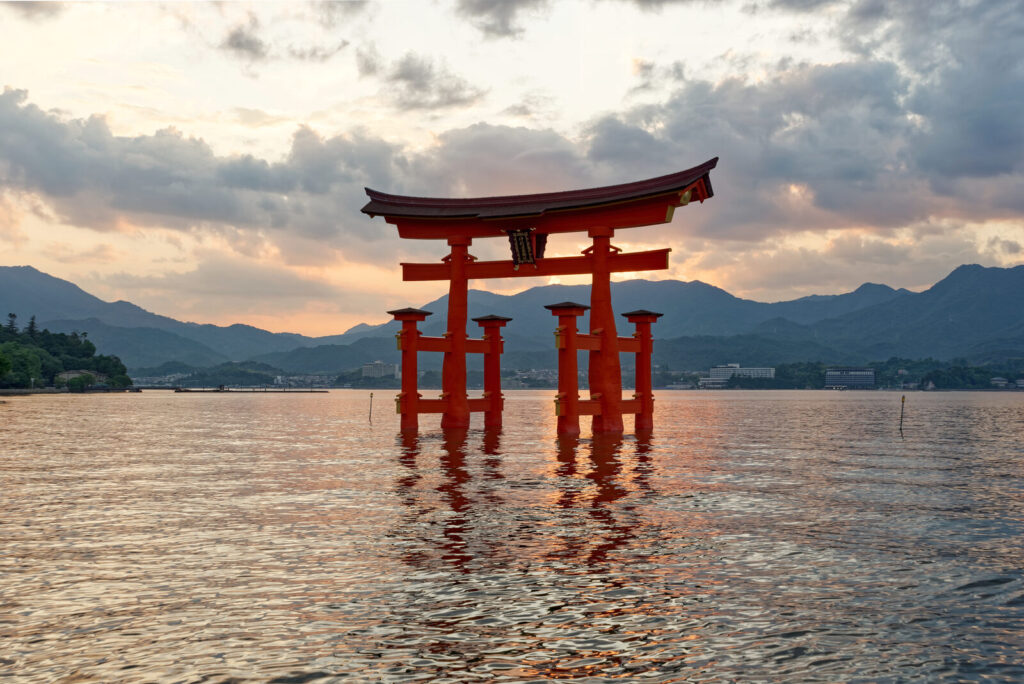
- Hiroshima / Miyajima — the Peace Memorial and the floating torii gate of Itsukushima Shrine. A meaningful add for longer programmes, around two hours by Shinkansen from Kyoto or Osaka.
- Nara — an easy half-day from Kyoto or Osaka for the Great Buddha at Todai-ji and the free-roaming deer of Nara Park. Low-effort, high-satisfaction inclusion.
- Hokkaido — the winter and incentive option: Sapporo, Niseko’s powder snow, the February Snow Festival and seafood-led dining. We program it as its own departure rather than tacking it onto a Golden Route trip, since it’s a separate flight north.
Rail logistics and luggage
The Shinkansen is glorious and a logistical trap for groups at the same time. Large suitcases now need reserved spaces on many bullet trains, station transfers are tight, and herding 25 pax plus baggage through Tokyo Station at rush hour is its own skill. Two things we manage that transform a group’s day:
- Reserved group seating and oversized-baggage spots booked ahead, not scrambled at the platform. On the Tokaido, Sanyo and Kyushu Shinkansen lines, suitcases above a certain combined dimension require a reserved “oversized baggage” seat with luggage space behind it — without it a group risks fines and no room for bags. We block these as part of the seat allocation so the group boards and sits together.
- Takuhaibin luggage forwarding — sending suitcases hotel-to-hotel overnight so the group travels light on transfer days. Clients are amazed by this every single time. On a Tokyo-to-Kyoto move, bags collected by mid-morning typically arrive at the next hotel by the following afternoon, so we have travellers carry an overnight bag and forward the rest. It removes the single biggest friction point in a multi-city Japan itinerary.
Seasonality you have to plan around
Japan’s calendar is unforgiving if you ignore it. The seasons don’t just change the scenery — they decide whether you can get rooms at all:
- Cherry blossom (late March–April) is the headline season, and the bloom window is short and weather-dependent, moving north over a few weeks. Demand is enormous; hotel rates peak and Kyoto fills first.
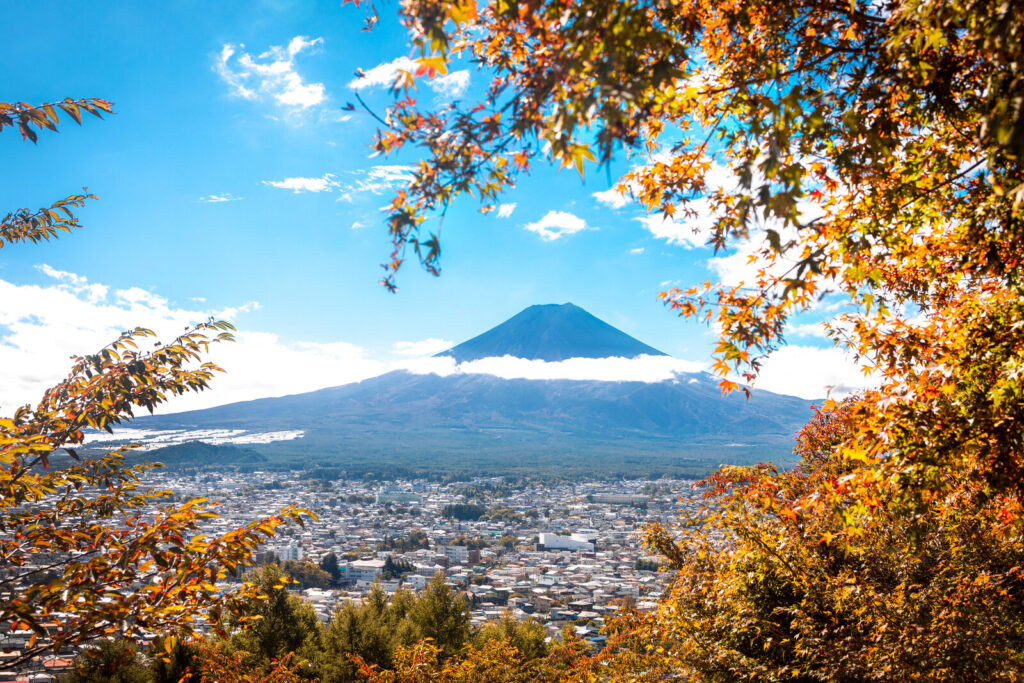
- Autumn foliage / koyo (November) is the second great season — the maples around Kyoto and the Japanese Alps. Slightly more predictable than the blossom but just as competitive for space.
- Golden Week (late April–early May) and Obon (mid-August) are domestic holiday peaks when the whole country travels at once. Trains, hotels and roads are jammed and rates spike, so we steer group departures around these windows unless there’s a specific reason to be there.
- Winter (December–February) is Hokkaido’s season — powder skiing, the Sapporo Snow Festival and onsen culture at its best, and a strong incentive backdrop. It’s also the quietest and most affordable window for the main cities, useful for budget-sensitive groups who don’t need the blossom.
- The quiet sweet spots: May–June (before the rainy season fully sets in) and October are excellent — pleasant weather, better availability and softer rates than the two peak months.
Getting the dates right, and securing allotments before these windows tighten, is the most valuable thing a DMC does for a Japan group.
A sample 7–9 day group itinerary
This is the classic “Golden Route” with a ryokan night built in — a framework we adapt to pax count, budget and interests:
- Day 1 — Tokyo. Arrival, airport transfer, welcome dinner. Overnight Tokyo.
- Day 2 — Tokyo. Full-day city touring: Asakusa and Senso-ji, the Meiji Shrine, Shibuya and a contrast district or two. Overnight Tokyo.
- Day 3 — Tokyo to Hakone. Forward luggage to Kyoto by takuhaibin, travel with overnight bags only. Lake Ashi, the Hakone ropeway and onsen. Overnight in a ryokan with kaiseki dinner.
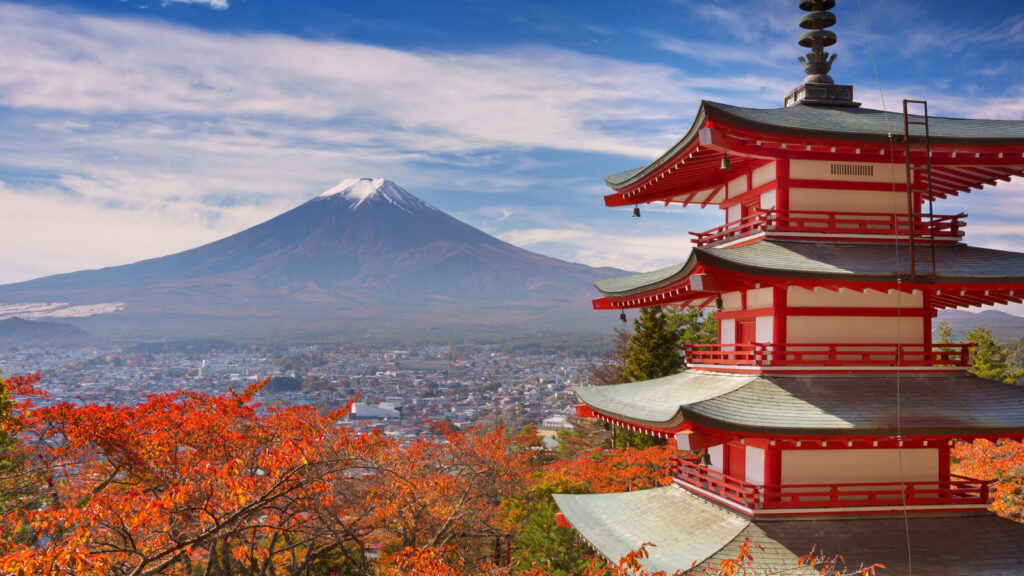
- Day 4 — Hakone to Kyoto. Mt Fuji photo stop (Chureito Pagoda weather permitting), then Shinkansen to Kyoto with reserved group seating. Overnight Kyoto.
- Day 5 — Kyoto. Fushimi Inari, Kinkaku-ji, Arashiyama bamboo grove and Gion. Optional tea ceremony. Overnight Kyoto.
- Day 6 — Kyoto and Nara. Half-day in Nara for Todai-ji and the deer park, afternoon back in Kyoto for free time or craft experiences. Overnight Kyoto.
- Day 7 — Kyoto to Osaka. Short rail transfer, Osaka Castle, Dotonbori and a food-focused evening. Overnight Osaka.
- Day 8–9 — Osaka (optional Hiroshima/Miyajima extension). Either depart from Kansai Airport, or add a day trip to Hiroshima and Miyajima before the final transfer out.
The same skeleton scales to two weeks with Hiroshima, Kanazawa or a Hokkaido leg, or compresses to five days for a tighter incentive group.
Indicative costs
Japan sits at the premium end of Asia, and the single biggest variable is hotel tier. The ranges below are land-only, per person, per day — covering accommodation, ground transport, guiding and standard inclusions, but not international air. They’re planning guides, not quotes; we price each programme on the actual dates, pax count and route.
| Hotel tier | Indicative USD / person / day |
|---|---|
| 3-star / tourist class | $180–$280 |
| 4-star / first class | $280–$420 |
| 5-star / deluxe | $450–$750+ |
| Ryokan night (per person, incl. kaiseki dinner + breakfast) | $250–$600+ |
Two notes that move the number: a quality ryokan stay with kaiseki dinner and onsen is priced per person rather than per room, so it sits well above a standard hotel night — but it’s usually the experience a group remembers most. And peak-season premiums in cherry-blossom and autumn windows can add 30–50% over a shoulder month, on top of much tighter availability.
MICE and incentive support
Japan is a strong incentive and conference destination, and the experiential layer sets it apart. We arrange:
- Venues — hotel ballrooms and conference floors in Tokyo and Osaka, plus character venues such as temple grounds, sake breweries and traditional teahouses for gala nights and receptions.
- Group dining — from private kaiseki rooms and teppanyaki to izakaya buyouts and themed dinners, booked in-language where overseas requests normally get declined.
- Signature experiences — tea ceremony, private sake and whisky tastings, sushi-making and craft workshops, sumo viewing in season, and ninja or samurai-themed activities that work well as incentive rewards.
Because we hold the local relationships, these slot into a tight schedule without the group leader chasing reservations from abroad.
Practical tips for group leaders
- IC cards. Suica or Pasmo (now available as digital cards on phones) cover subways, buses and convenience stores with a tap. We pre-load or distribute these so a group isn’t queuing at ticket machines.
- Connectivity. Pocket wifi rental or a travel eSIM is close to essential — public wifi is patchy and group leaders rely on maps and messaging constantly. We arrange devices delivered to the first hotel.
- Cash culture. Japan is more cash-based than visitors expect; many smaller restaurants, shrines and shops are cash-only. Convenience-store ATMs are the reliable way to withdraw yen.
- Etiquette. Quiet on trains, no tipping (it can cause confusion), shoes off where indicated, and onsen bathing rules at ryokan — our guides brief the group on day one so no one is caught out.
- Punctuality. Trains leave to the second. We build buffer time into transfers but the group has to be on the platform early; a missed Shinkansen reservation is a real cost.
Where a DMC adds the most value
- Hotel and ryokan allotments locked early in peak season, before space disappears.
- Coach plus rail coordination so the group flows between regions without dead time or platform chaos.
- Expert English-speaking guides who handle etiquette, temples, meals and the inevitable on-the-day problem.
- MICE and incentive support — venues, group dining and bespoke experiences from tea ceremony to private sake tastings.
- One accountable operator on the ground, in-language, for the whole programme.
Frequently asked questions
Do travellers need a visa for Japan?
Many nationalities enter visa-free for short stays, while some require an eVisa or consular visa. We confirm the rule for each passport in your group before you commit, so there are no surprises at check-in.
When is the best time to take a group to Japan?
Spring cherry blossom (late March–April) and autumn foliage (November) are the most popular and the most competitive for space; early booking is essential. May–June and October are excellent, slightly quieter alternatives, and winter is the season for a Hokkaido incentive departure.
Is a DMC really necessary for Japan?
For independent couples, not always. For groups, the rail-and-luggage logistics, peak-season allotments and in-language bookings make local ground handling well worth it — it’s the difference between a smooth programme and a stressed one.
How far ahead should we book a peak-season group?
For cherry-blossom and autumn departures, the earlier the better — several months out at minimum for groups above 20 pax. Kyoto fills first, so it usually sets the deadline for the whole itinerary. Leaving it late typically means splitting the group across hotels or shifting the dates.
Can you combine Japan with another country?
Yes. Japan pairs naturally with South Korea for an East Asia circuit, and we run both under one operator — see our South Korea DMC programme. We handle the inter-country flights and keep the ground handling consistent across both legs.
How big a group can you handle?
From small incentive groups of 10–15 up to large series departures of 100-plus across multiple coaches. The rail logistics, oversized-baggage reservations and ryokan splits change with size, which is exactly the planning a DMC absorbs on your behalf.
Planning a group departure to Japan? We handle ryokan and hotel allotments, rail and luggage logistics, guides and MICE support end to end. Explore our Japan DMC services or request a group quote with your dates and pax.
Photos: Fushimi Inari, Kyoto by Balon Greyjoy (CC0); Chureito Pagoda and Mount Fuji by Supanut Arunoprayote (CC BY 4.0), via Wikimedia Commons.

Travel DMC Group
Travel DMC Group is a B2B destination management company handling ground services — hotels, transfers, guided tours, MICE and group logistics — across Asia, the Middle East and the Caucasus. These guides are written by our in-house operations and product team from first-hand experience running group departures.
Recommended Posts
How Many Days Do You Need in Japan? (2026 Guide)
June 22, 2026
Best Time to Visit Japan: A Month-by-Month Guide (2026)
June 22, 2026