
Indonesia Beyond Bali: A Group Travel Guide
Indonesia Beyond Bali: Why the Archipelago Rewards Group Travel
Most agents we work with arrive at Indonesia through one door: Bali. It is an easy sell, and we plan plenty of Bali departures. But Indonesia is the largest archipelago on the planet — more than 17,000 islands stretching some 5,000 kilometres from Sumatra in the west to Papua in the east, spanning three time zones. An Indonesia group tour that stops at Bali alone is leaving most of the country, and most of the margin, on the table.
For travel agents and tour operators, the opportunity is in the pairing and the sequencing: ancient Javanese temples, volcanic highlands, the dragons and dive sites of Komodo, and the quieter beaches of Lombok and the Gili Islands. These places sell at strong per-head value, but they demand inter-island coordination that catches first-time operators out — exactly what a destination management company exists to absorb. (New to the term? Here’s what a DMC is and how we fit between you and the ground.)
Why Run an Indonesia Group Tour Through a DMC
The single biggest reason is the water between the destinations. A Java-and-Komodo programme can involve three or four domestic flights, a ferry or speedboat leg, and a liveaboard or day-boat charter — each with its own schedule, baggage rules, and weather sensitivity. When one leg slips, the whole chain downstream is at risk, and a group of 20 to 40 travellers cannot simply rebook itself.
As your DMC on the ground, we hold the inter-island logistics as a single connected plan: matched domestic flight blocks with realistic connection buffers, vetted boat operators for the Komodo and Gili crossings, English-speaking regional guides, and 24/7 local support if a flight is delayed or a sea crossing is rescheduled. We also handle the things that quietly erode a group experience — coach capacity on Java’s congested roads, permit and ranger fees inside Komodo National Park, and temple entrance bookings. You sell and service the client; we run the country.
Where to Take a Group
Indonesia is too large to “do” in one trip, so we build programmes around clusters. These are the regions we route groups through most often.
Jakarta — the Gateway
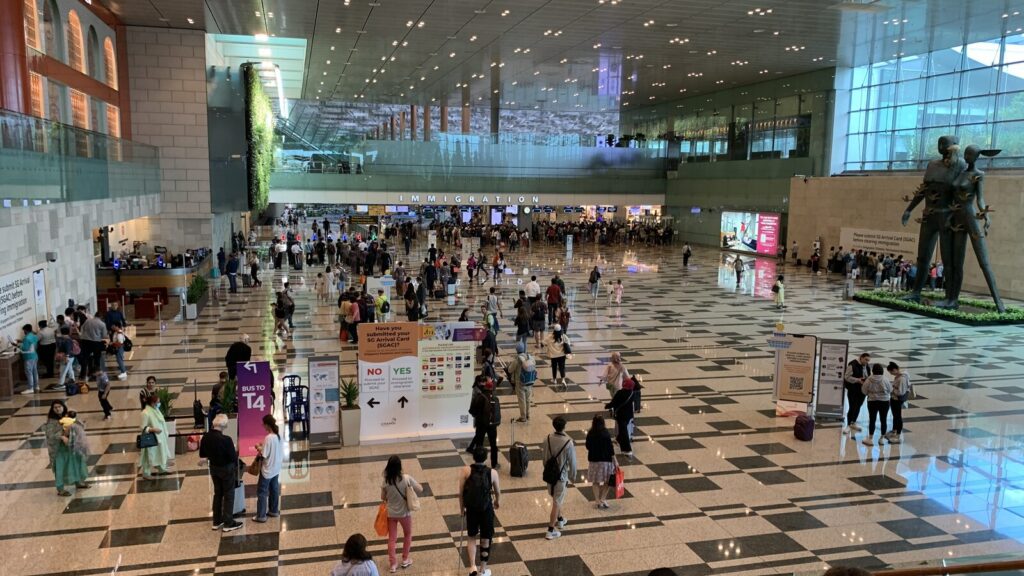
The capital is the primary long-haul gateway and the natural arrival point for groups flying in from Europe, the Middle East, or onward from a Singapore hub. It works as a one- or two-night stay rather than a headline destination: city orientation, the National Monument and Old Town (Kota Tua), and strong four- and five-star hotel inventory at competitive group rates. Jakarta is also where most MICE and incentive programmes are anchored before groups disperse to the islands.
Yogyakarta — Borobudur and Prambanan
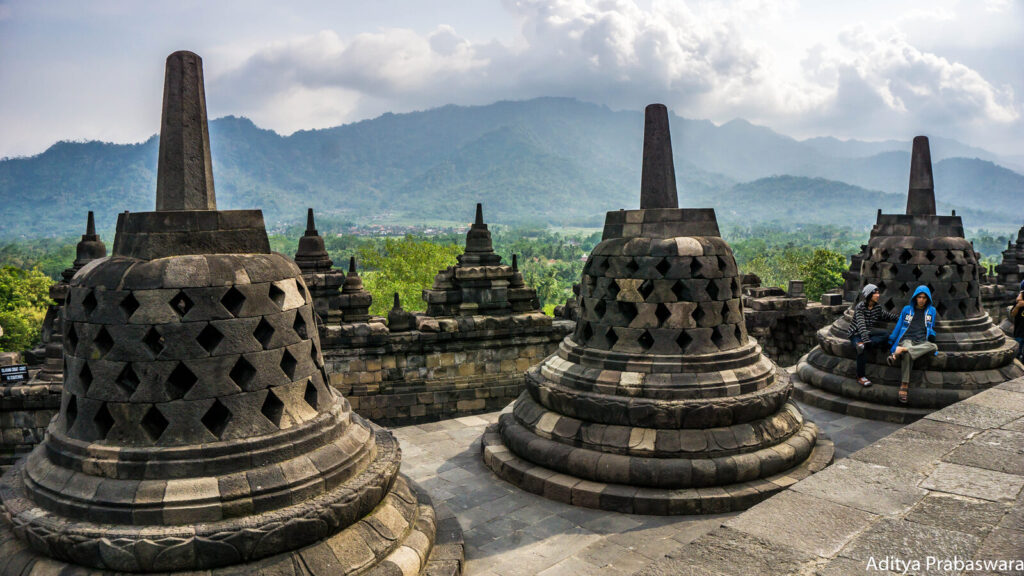
Central Java is the cultural heart of any Indonesia group tour that goes beyond beaches. Yogyakarta sits within reach of two of Southeast Asia’s most significant temple complexes: Borobudur, the 9th-century Buddhist monument built as a stepped stone mandala, and Prambanan, the towering Hindu temple compound a short drive the other way. Both are UNESCO World Heritage Sites and both reward an early start — sunrise visits to Borobudur are a reliable group highlight. The city itself adds palace (Kraton) visits, batik and silver workshops, and good mid-range to upscale hotels.
Bandung — the Highland Detour
West Java’s highland city is a cooler-climate option, popular for volcanic scenery, tea plantations, and the Tangkuban Perahu crater. It suits programmes that want a slower, scenic day between Jakarta and the rest of Java, and it is a familiar leisure and shopping destination for regional travellers.
Komodo National Park
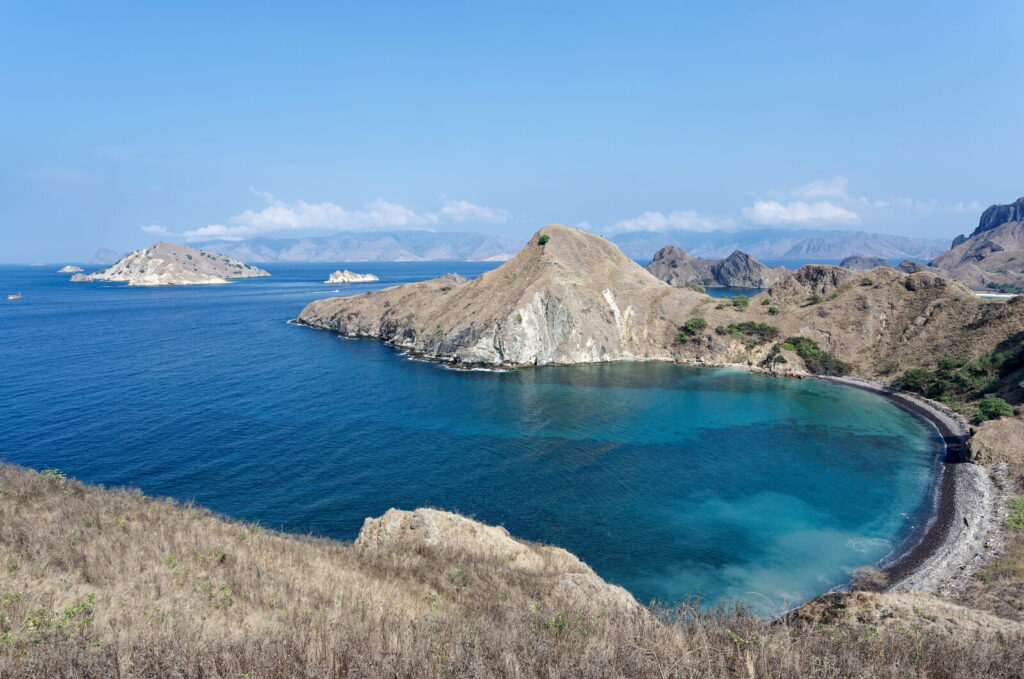
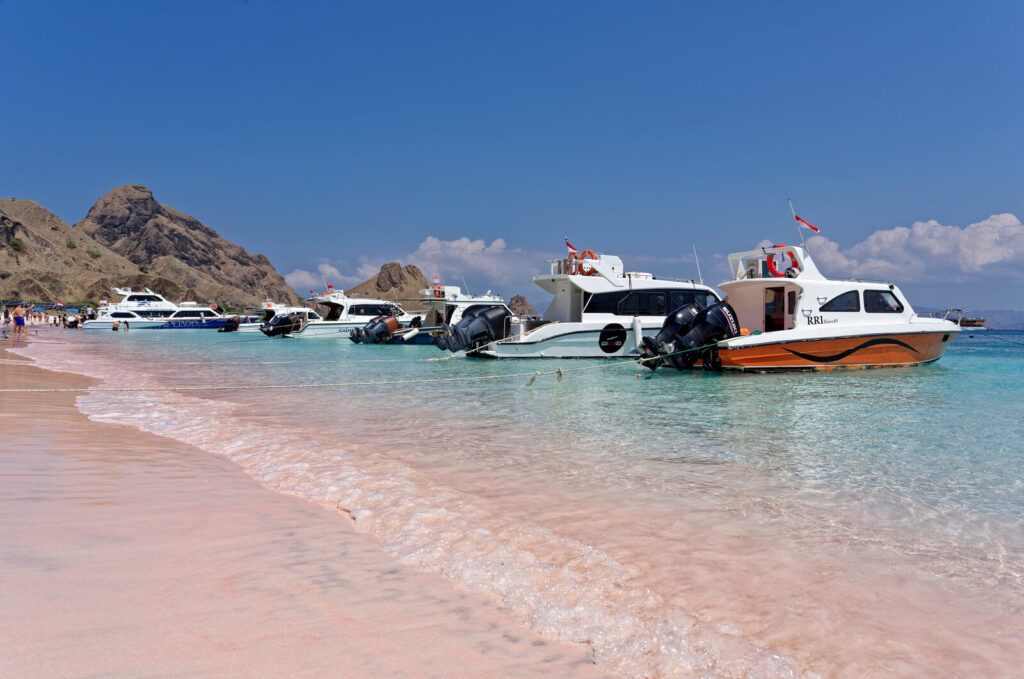
This is the showpiece for many of our group itineraries. Reached via the gateway town of Labuan Bajo on Flores, Komodo National Park delivers the rare combination of wildlife, landscape, and water. Groups come for the Komodo dragons — the world’s largest living lizards, found only here and on a handful of neighbouring islands — viewed on guided ranger walks. The climb to the Padar Island viewpoint, with its three curving bays in different sand colours, is the most-photographed panorama in eastern Indonesia. Pink Beach, tinted by red coral fragments, adds a swim-and-snorkel stop. We arrange the park entry and ranger fees, the day-boat or liveaboard, and the connection from the domestic flight.
Lombok and the Gili Islands
East of Bali, Lombok offers a quieter beach-and-volcano alternative — Mount Rinjani’s foothills, Kuta Lombok’s beaches in the south, and easy hops to the three Gili Islands (Gili Trawangan, Meno, and Air), which are car-free and reached by short boat transfer. It is a strong “wind-down” finish to an active Java-and-Komodo itinerary.
Bali — the Classic Pairing
Bali remains the obvious anchor or extension, and most groups pair it with one of the above. Because it has its own logistics and its own appeal, we cover it separately — see our Bali DMC guide for itineraries, costs, and the best add-on combinations. Bali plus Komodo, or Bali plus Yogyakarta, are two of our most-requested two-centre programmes.
Best Time to Visit
For most of Indonesia, the dry season runs roughly April to October, and that is the window we recommend for the large majority of group departures — drier days for temple visits and the most reliable sea conditions for the Komodo and Gili crossings. The wet season (roughly November to March) brings heavier afternoon rain and rougher water, which matters most for boat-dependent legs.
Because the country spans such a distance, regional variation is real: rainfall timing shifts as you move east, and some islands have their own micro-patterns. We confirm the optimal window per region for your specific routing rather than applying one national rule.
Visas and Entry
Many nationalities can enter Indonesia for tourism on a visa-on-arrival or an electronic visa-on-arrival (e-VOA), typically for a short stay that can usually be extended once. Entry policy and the list of eligible passports change from time to time, and requirements differ by nationality, so we confirm the exact visa route, validity, and any pre-arrival registration for every passport in the group before travel rather than relying on a blanket statement. Send us the passport mix early and we will return a per-nationality entry checklist.
Indicative Costs
The figures below are planning ranges only — indicative USD per person per day for land arrangements (hotel, transfers, guiding, entrances) on a twin-share basis, before international flights. Domestic flights and boat charters are quoted separately because they swing with season, group size, and routing. Final pricing depends on dates, group numbers, and hotel availability at the time of booking.
| Hotel tier | Indicative USD / person / day |
|---|---|
| 3-star / comfortable tourist class | 90 – 140 |
| 4-star / upper mid-range | 150 – 240 |
| 5-star / luxury and resort | 260 – 450+ |
Sample 8–10 Day Java + Komodo Itinerary
This is a template we tailor by group size, pace, and budget. It assumes domestic flights between the islands — there is no road or rail link across these legs, so the flight schedule sets the shape of the days.
Days 1–2 — Jakarta
Arrival, transfer, and overnight. City orientation including the National Monument and Old Town, then a welcome dinner. Overnight Jakarta.
Days 3–4 — Yogyakarta
Domestic flight to Yogyakarta. Sunrise or early-morning Borobudur, afternoon Prambanan, with a Kraton palace and batik workshop visit the following day. Two nights in Yogyakarta.
Day 5 — Bandung or Highland Add-On (optional)
For groups wanting more of Java, an overland highland day toward Bandung’s tea plantations and crater scenery. Programmes on the shorter 8-day track skip this and move straight to the islands.
Days 6–8 — Labuan Bajo and Komodo National Park
Domestic flight to Labuan Bajo. A full day by boat into Komodo National Park: the Padar Island viewpoint climb, a ranger-guided Komodo dragon walk, Pink Beach for snorkelling, and time on the water. A second day allows additional dive or island stops at a relaxed pace. Two to three nights in or near Labuan Bajo.
Days 9–10 — Departure or Bali Extension
Return flight to the international gateway for departure, or connect to Bali for a beach-and-culture extension (covered in our Bali guide). We slot the international flight to match the final domestic leg with a sensible buffer.
MICE and Incentive Groups
Indonesia is a credible MICE and incentive destination, and we structure programmes accordingly. Jakarta carries the conference and meeting infrastructure — large-capacity hotels, function space, and the main international air links. The resort islands carry the reward: a Komodo cruise day, a private beach dinner, or a Bali or Lombok resort buy-out as the incentive payoff. We coordinate the meeting side and the leisure side as one budget and one ground operation, including transfers, branded signage logistics, and group dining.
Practical Tips for Operators
Build buffers into domestic flights. Schedules can shift, especially in the wet season and on routes to smaller airports like Labuan Bajo. We avoid tight same-day international connections off the final domestic leg.
Mind island-transfer timing. Sea crossings to the Gilis and within Komodo are weather-dependent and best run in the morning. We build the day around the boat, not the other way round.
Money and connectivity. The rupiah is the local currency; cards are accepted in cities and resorts but cash matters in smaller towns and on the islands. Mobile coverage is good in urban areas and thinner at remote sites and at sea — useful to set client expectations for a Komodo day.
Dress modestly at temples and mosques. Covered shoulders and knees are expected at religious sites; we brief groups and arrange sarongs where needed. This is a routine courtesy that avoids awkwardness at entry points.
Frequently Asked Questions
How many days do we need beyond Bali?
For a satisfying Java-and-Komodo combination, eight to ten days works well. Adding Bali or Lombok as an extension pushes most groups toward eleven to fourteen days. Anything shorter than a week forces too many flights for the time on the ground.
Are there direct flights between the islands, or is everything by boat?
The main legs — Jakarta to Yogyakarta, and on to Labuan Bajo for Komodo — are domestic flights. Boats handle the shorter water crossings: into Komodo National Park and across to the Gili Islands. We book the flights and the boats as one connected itinerary.
Is Komodo National Park suitable for older or less active travellers?
Largely yes. The Komodo dragon walks are guided and gentle, and Pink Beach is an easy stop. The Padar Island viewpoint involves a stepped climb that some travellers skip; we flag the active elements in advance so you can set the group’s expectations.
What is the best season for an Indonesia group tour?
For most routings, the dry season of roughly April to October offers the best weather and the most reliable sea conditions. Because the country spans a wide area with regional variation, we confirm the ideal window for your specific itinerary.
Do all travellers need a visa in advance?
Many nationalities use a visa-on-arrival or e-VOA rather than a pre-arranged visa, but eligibility and rules vary by passport and change periodically. Send us the group’s nationality mix and we return a per-passport entry checklist before travel.
Can you combine this with Bali or Singapore?
Yes. Bali is the classic pairing and we run it as a two-centre programme — see our Bali DMC guide. Singapore also works well as a regional gateway or stopover, which we can build into the routing.
Planning an Indonesia group departure? We handle hotels, inter-island flights, transfers, guides and logistics end to end. See our Indonesia DMC services or request a group quote.
Photos: Borobudur, Java by Aditya Prabaswara (CC BY 2.0); Padar Island, Komodo National Park by Jakub Hałun (CC BY 4.0), via Wikimedia Commons.

Travel DMC Group
Travel DMC Group is a B2B destination management company handling ground services — hotels, transfers, guided tours, MICE and group logistics — across Asia, the Middle East and the Caucasus. These guides are written by our in-house operations and product team from first-hand experience running group departures.