

India Group Tours: The Golden Triangle and Beyond
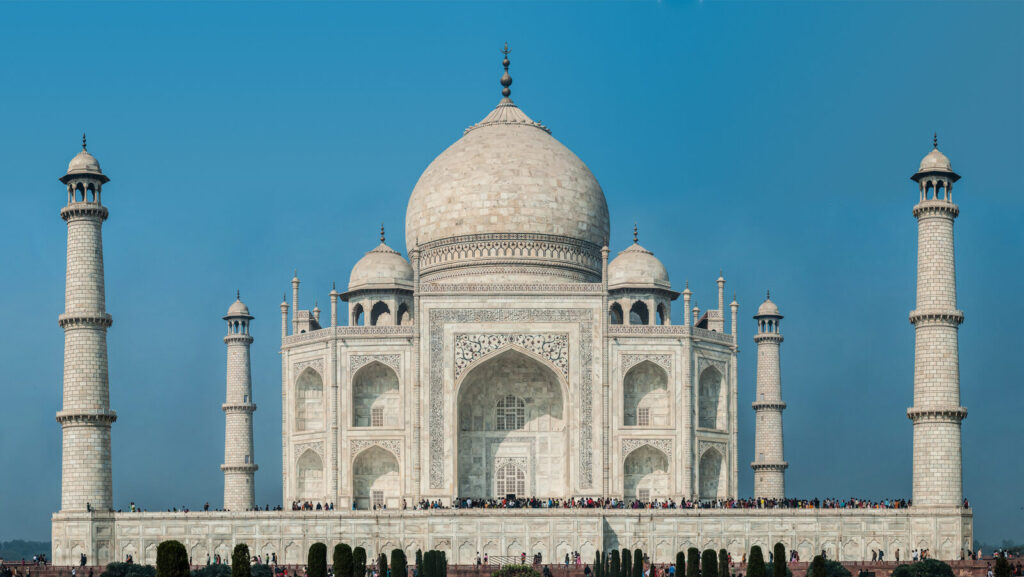
India is not a destination you cover in one trip. It is a subcontinent: more than 1.4 billion people, dozens of languages, a thousand-mile spread between the desert forts of Rajasthan and the backwaters of Kerala. For travel agents and tour operators, that scale is both the appeal and the problem. Groups want the Taj Mahal, the palaces, the colour and the food, but they also want a programme that flows — sensible distances, the right hotels in the right cities, guides who actually show up. The fastest way to lose a group’s confidence is to overreach geographically and end up with a coach itinerary that is all transfers and no experiences.
This guide is written for the trade. We run India group tour departures on the ground every season, and our consistent advice is the same one we give ourselves: pick a region and do it well. The Golden Triangle is the natural anchor; from there you extend into Rajasthan, down to Kerala, east to Varanasi, or coast-side to Goa depending on what the group is after. Below we cover where to take a group, when to go, what it costs, a worked itinerary, and the practical detail that decides whether a tour runs smoothly.
Why a DMC is essential in India
Plenty of destinations can be self-driven by an experienced operator. India is not one of them, and we say that plainly. Domestic flight schedules shift, the better hotels in heritage cities sell out their group allocations early, monument ticketing varies by site and nationality, and ground transport quality is genuinely uneven outside the main corridors. A group of 25 that hits one weak link — a no-show coach in Jaipur, a guide who doesn’t speak the group’s language, a hotel that quietly downgraded the rooms — remembers that link more than the Taj Mahal.
That is what a destination management company exists to absorb. We hold contracted rates and pre-blocked space, we vet and re-vet guides, we build buffer into transfer timings, and we have someone reachable on the ground when a flight slips. If you are new to the model, our explainer on what a DMC is walks through where the line sits between you and us. The short version: you own the client relationship and the selling; we own the operation in-country.
Where to take a group: the Golden Triangle
The Golden Triangle — Delhi, Agra and Jaipur — remains the strongest first India for most groups, and for good reason. The three cities sit within comfortable driving distance of each other across the northern plains, the road infrastructure on this route is the best in the country, and the density of headline sights is unmatched. It is the route we recommend by default for a group seeing India for the first time.
Delhi
Most international groups arrive into Delhi, so it works as both gateway and first stop. Old Delhi and New Delhi are effectively two cities — Mughal-era lanes, the Jama Masjid and Red Fort on one side; the wide colonial avenues, India Gate and Humayun’s Tomb on the other. We usually split a Delhi day across both, with a cycle-rickshaw run through the old city as the change of pace that groups remember.
Agra and the Taj Mahal
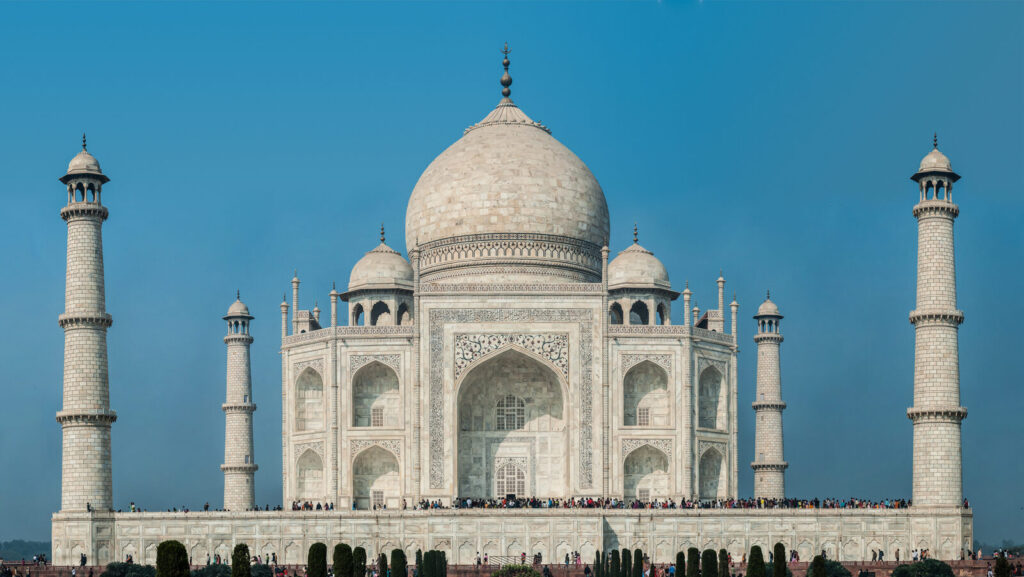
Agra is roughly a half-day drive from Delhi on the Yamuna Expressway. The Taj Mahal is the reason everyone comes, and a sunrise visit — before the heat and the crowds build — is worth the early start for the light alone. We pair it with Agra Fort and, for groups with time, a stop at Fatehpur Sikri en route to Jaipur. A note for planners: the Taj is closed on Fridays, which constrains routing more often than people expect.
Jaipur
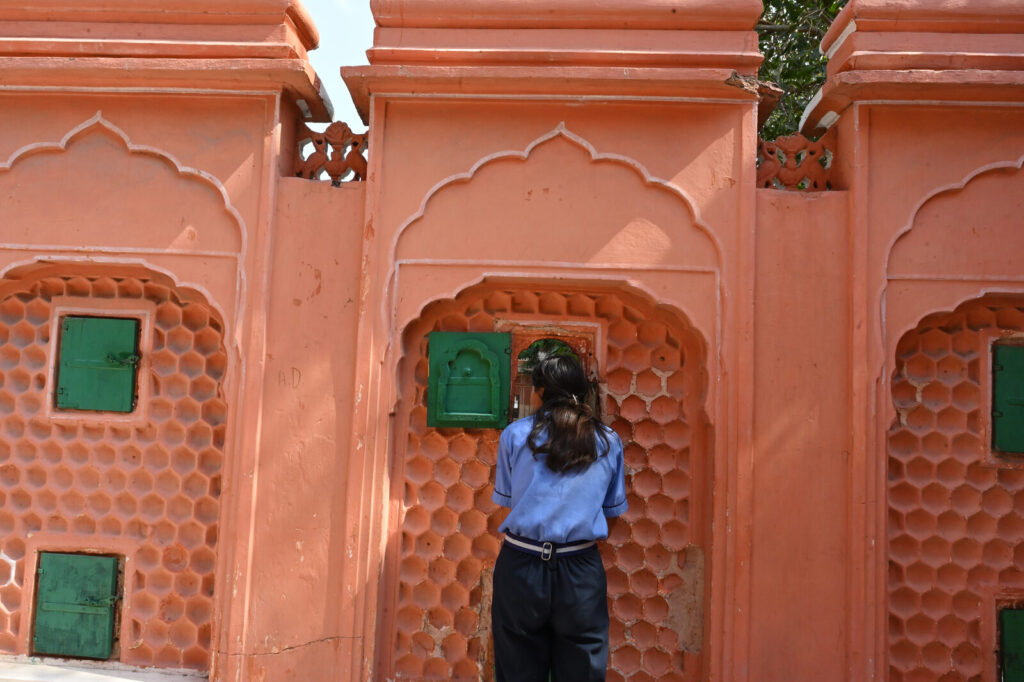
The “Pink City” is the third corner and the one groups tend to enjoy most for sheer atmosphere. Amber Fort above the city, the City Palace, the Hawa Mahal facade, and the Jantar Mantar observatory make a full programme, and Jaipur’s bazaars are where shopping-minded groups will want unhurried time. It is also a strong point to either close the loop back to Delhi or push deeper into Rajasthan.
Beyond the Triangle
Once a group has the Triangle, the question is which direction to extend. Each of these adds a distinct character rather than more of the same.
Rajasthan: Udaipur and Jodhpur
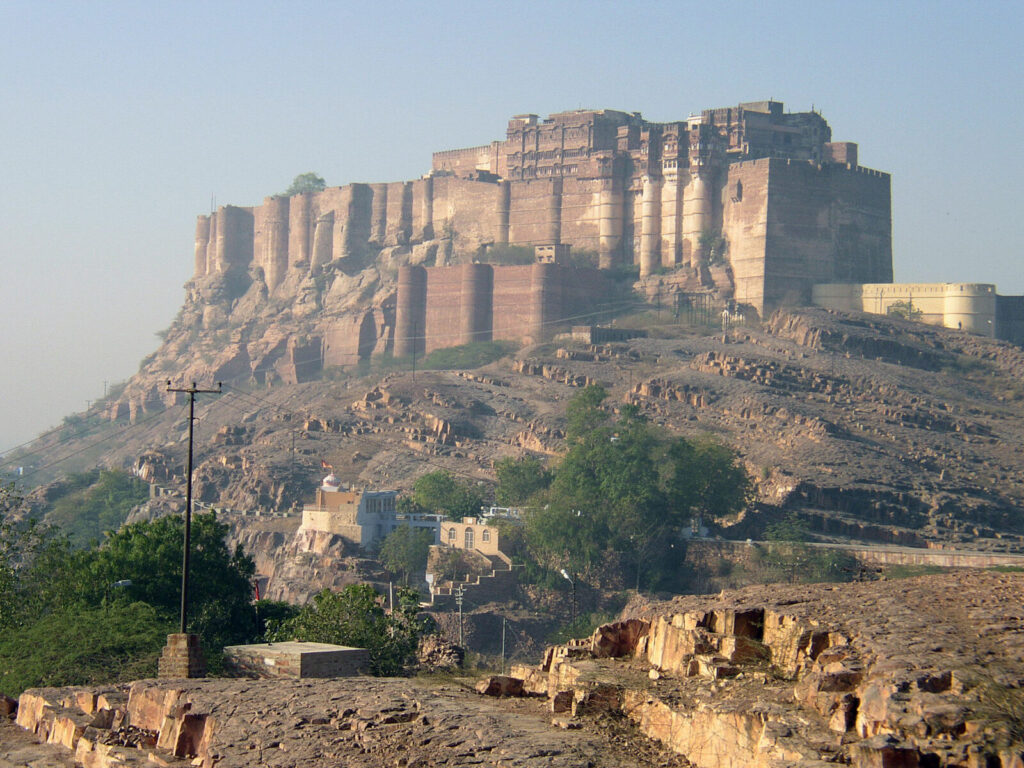
The obvious extension from Jaipur. Jodhpur, the “Blue City,” is dominated by the Mehrangarh Fort rising over the old town. Udaipur, around the lakes, is the gentler, more romantic counterpoint and a favourite for groups that want a slower couple of nights. The two pair well as a four-to-five-day Rajasthan add-on, usually with a domestic flight to save a long drive.
Kerala backwaters
A complete change of register from the north. Kerala in the deep south is tropical, green and water-laced; a night on a converted houseboat through the backwaters near Alleppey is the signature experience, alongside the tea country around Munnar and the spice ports of Kochi. It suits groups who want India to feel restful rather than monumental, and it reaches by domestic flight rather than road.
Varanasi
On the Ganges, Varanasi is the spiritual heart of Hindu India and one of the oldest continuously inhabited cities anywhere. The dawn boat ride past the ghats and the evening Ganga Aarti ceremony are unlike anything else on a north India itinerary. It is intense and we are upfront with operators about that — it rewards groups who have been briefed on what they are walking into.
Goa
The coast. Beaches, a Portuguese-Catholic heritage in Old Goa’s churches, and a relaxed close to a trip that has otherwise been busy. Goa works best as a wind-down at the end rather than a centrepiece, particularly for groups who have spent a week on the road in the north.
Best time to visit
For the north and Rajasthan — which covers the Golden Triangle and most extensions — the window is October to March. Days are warm and dry, nights are cool, and the monuments are comfortable to walk. This is also peak season, so the same dates that are pleasant on the ground are the dates when hotel space and flights tighten; we ask operators to confirm group departures as early as they can.
The two periods to steer groups away from in the north are the pre-monsoon summer (roughly April to June), when temperatures across the plains and the desert become genuinely punishing, and the monsoon (broadly July to September), when heat gives way to heavy rain. Kerala and the south run on a different rhythm — the southwest monsoon is heavier there, and the season shifts accordingly — while hill stations are at their best precisely when the plains are too hot. Because the country spans several climates at once, we’ll match the calendar to the exact route rather than apply one rule to everything.
Visas and entry
India offers an electronic visa (e-Visa) to nationals of many countries, applied for online in advance of travel, and for most leisure groups this is the route. That said, eligibility, the categories available and the documentation required all vary by passport, and the rules are revised periodically. We do not want any operator quoting visa policy off a blog post — including this one. We confirm the current requirement per passport in the group before departure and flag anyone who needs a different process. Passport validity (typically six months beyond travel) and blank pages are the usual easy-to-miss items.
What an India group tour costs
Pricing depends on the hotel tier, group size, season and how much domestic flying the routing involves, so the figures below are indicative per-person, per-day land ranges — not quotes. They assume a reasonable group size, twin-share rooms, daily breakfast, private coach, English-speaking guides and monument entries. International flights, visas and personal spend sit outside them. Larger groups bring the per-person figure down; peak-season dates and single-room loads push it up.
| Hotel tier | Indicative USD / person / day |
|---|---|
| Comfort / 3-star & well-located heritage | $90 – $150 |
| First-class / 4-star | $150 – $260 |
| Deluxe / 5-star & palace hotels | $260 – $500+ |
Rajasthan’s heritage and palace properties can sit well above the deluxe band, and a houseboat night in Kerala is priced separately again. Treat the table as a planning anchor and let us return a firm per-person figure against the actual route and dates.
Sample 7–9 day Golden Triangle itinerary
This is the shape of programme we build most often for first-time India groups. It is paced to leave room rather than cram, with the option to extend into Rajasthan.
Days 1–2 — Delhi
Arrival, transfer and rest on day one. A full day across Old and New Delhi on day two — Jama Masjid and the old-city lanes, then Humayun’s Tomb, India Gate and a drive past the government quarter.
Days 3–4 — Agra
Drive to Agra via the expressway. Taj Mahal at sunrise the following morning, then Agra Fort, with a stop at Fatehpur Sikri as the group continues toward Jaipur.
Days 5–6 — Jaipur
Amber Fort, the City Palace, Jantar Mantar and the Hawa Mahal, plus unhurried time in the bazaars. A second night keeps the pace civilised rather than rushing the Pink City into half a day.
Days 7–9 — return or extend
Drive back to Delhi for departure on a seven-day version. To stretch to nine, fly from Jaipur to Udaipur for two lakeside nights before connecting out — the single most popular extension we run.
For groups combining India with the wider subcontinent, the northern routing also pairs naturally with Nepal; see our Nepal DMC services for Kathmandu and Pokhara add-ons.
Practical tips for operators
Train, car or domestic flight
Within the Golden Triangle, a private coach is the right call — distances are manageable and door-to-door control matters with a group. For the longer legs into Rajasthan, Kerala or Varanasi, domestic flights save a day of road and arrive a group fresher. Trains are part of the romance of India and we use them selectively, but group logistics on rail (seat blocks, station transfers, luggage) need handling, so we plan them deliberately rather than by default.
Pacing
The most common mistake we correct on draft itineraries is too many cities in too few days. India rewards depth. One fewer destination with a genuine second night beats a relentless one-night-per-city march that leaves the group exhausted by day four.
Food and dietary needs
Indian cuisine is one of the trip’s highlights and is exceptionally accommodating of vegetarians; vegan, gluten-free, Jain and other requirements are all workable when flagged in advance. We brief hotels and restaurants ahead and keep spice levels adjustable. Bottled or filtered water for the group is standard practice and worth stating to clients up front.
Money and connectivity
The rupee is a closed currency, so groups change money on arrival rather than before. Card acceptance is wide in hotels and larger establishments and patchy in markets, so some cash is useful. Mobile coverage is good across the cities on this route; we can arrange local SIMs or eSIMs for group leaders who want to stay reachable.
Dress at temples and monuments
Shoulders and knees covered is the safe standard for temples and religious sites, shoes come off at the entrance to many of them, and some shrines restrict photography or non-Hindu access. We include the specifics in the group briefing so nobody is turned away at a doorway.
Frequently asked questions
How many days do we need for the Golden Triangle?
Seven days covers Delhi, Agra and Jaipur at a comfortable pace. Five is possible but tight; nine lets you fold in a Rajasthan extension such as Udaipur without rushing.
What group size do you handle?
From small private groups up to large coach departures. Per-person land costs fall as the group grows, and we scale guides, vehicles and hotel allocations accordingly.
Is India safe for group travel?
Group travel on the established routes is well-trodden and runs smoothly with a competent ground operation. We use vetted guides and drivers, build in sensible buffers, and keep a contact reachable in-country throughout the tour.
Can we combine India with Nepal?
Yes, and it is a popular pairing from the north. We coordinate the India and Nepal segments as one programme — see our Nepal DMC services.
Do you arrange domestic flights and trains as well as hotels?
We handle the full ground operation — hotels, domestic flights, trains, coaches, transfers, guides and monument entries — so you sell one coordinated product rather than assembling pieces.
How far ahead should we book a peak-season departure?
For October–March dates, as early as possible. The strongest hotels and the better domestic flights on this route fill their group space well in advance.
Planning an India group departure? We handle hotels, trains and domestic flights, transfers, guides and logistics end to end. See our India DMC services or request a group quote.
Photos: the Taj Mahal, Agra by Asitjain (CC BY-SA 3.0); Hawa Mahal, Jaipur by Wander-earth (CC BY-SA 4.0), via Wikimedia Commons.

Travel DMC Group
Travel DMC Group is a B2B destination management company handling ground services — hotels, transfers, guided tours, MICE and group logistics — across Asia, the Middle East and the Caucasus. These guides are written by our in-house operations and product team from first-hand experience running group departures.
Recommended Posts
How Many Days Do You Need in India? (2026 Guide)
June 22, 2026
Best Time to Visit India: A Month-by-Month Guide (2026)
June 22, 2026