
What Does MICE Stand For? Meetings, Incentives, Conferences & Exhibitions Explained
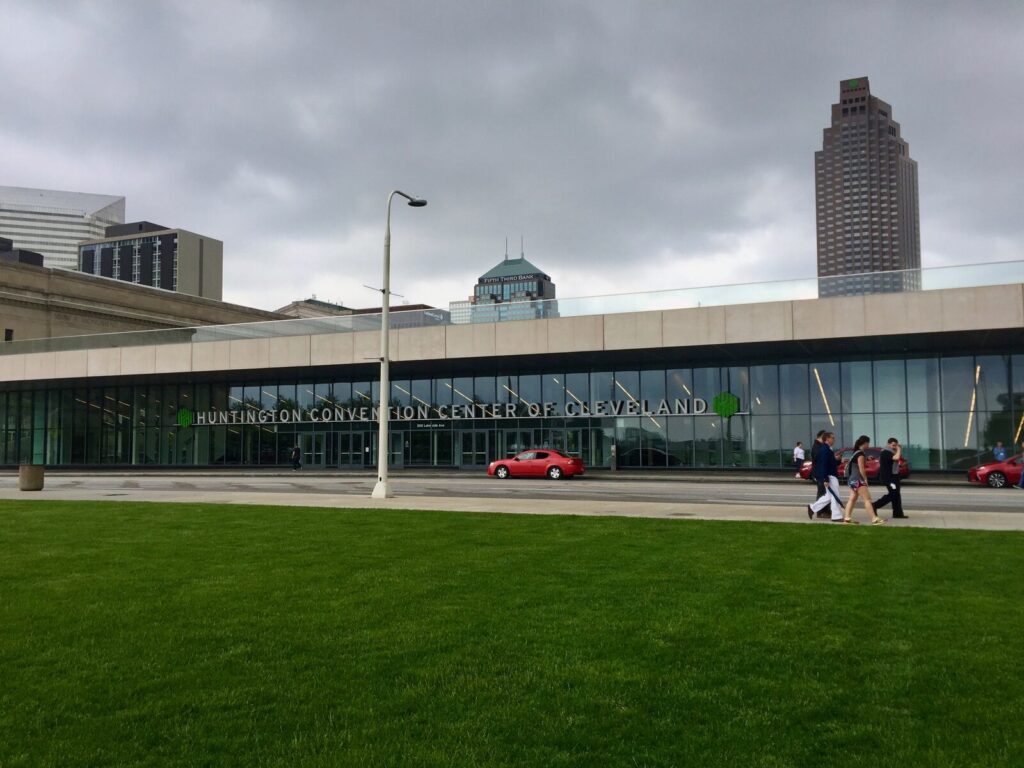
If you’ve spent any time around corporate travel, you’ve seen the four letters everywhere — on RFPs, in job titles, on the side of a convention centre. So what does MICE stand for? It’s an industry acronym for Meetings, Incentives, Conferences and Exhibitions — the slice of business travel that moves groups of people to a destination for a defined commercial purpose rather than for a holiday. We run MICE programmes for a living, so this is the plain-English version: what each letter actually means, how MICE differs from ordinary corporate travel, who sits around the table when a programme is being built, and where the work is busiest right now.
The four letters of MICE
The acronym describes four overlapping event types. In practice a single programme often blends several of them — an incentive trip with a half-day conference, or an exhibition with a gala dinner attached — but each letter has a distinct shape and a distinct buyer.
M — Meetings
The “M” covers smaller, focused gatherings: board meetings, sales kick-offs, training sessions, product workshops, dealer briefings. Numbers are modest — anywhere from a dozen to a couple of hundred people — and the emphasis is on getting work done. Meetings are usually the most frequent and least glamorous part of the mix, but they’re the bread and butter of the industry. They need the right room, reliable AV, decent catering and somewhere quiet for the side conversations that are often the real reason everyone flew in.
I — Incentives
Incentives are reward trips — a company sends its top performers, channel partners or franchisees somewhere memorable as recognition for hitting a target. This is the most experience-led letter. There’s rarely a formal agenda; the destination, the hotel and the “money-can’t-buy” moments are the programme. A private dinner in a desert, a yacht afternoon, a temple opened after hours — the job is to make the winners feel rewarded and everyone who didn’t qualify determined to make the cut next year. We cover this in more depth in our look at designing unrushed incentive programmes.
C — Conferences & Conventions
The “C” scales up the meeting. Conferences and conventions bring hundreds or thousands of delegates together around a theme — an annual user conference, a medical congress, an industry summit. They run on a structured agenda: keynotes, breakout streams, panels and networking blocks. Logistics get serious here — registration desks, signage, simultaneous translation, delegate transport, room blocks across multiple hotels. Large association conventions are often handled by a specialist professional conference organiser working alongside the destination team.
E — Exhibitions & Events
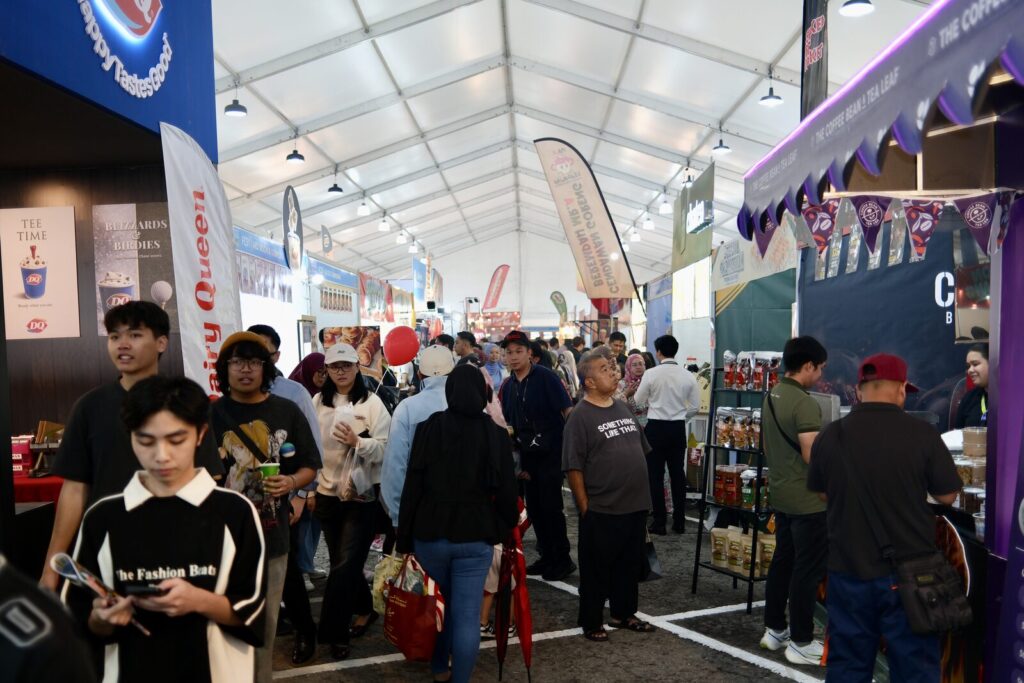
The “E” is most often read as Exhibitions — trade shows and expos where companies take booth space to show products to buyers, like a motor show or a travel trade fair. Many people read it as “Events” instead, to capture everything that doesn’t fit the other three: launches, brand activations, gala dinners, award ceremonies. Both readings are valid and you’ll see them used interchangeably. Exhibitions in particular drive huge visitor volumes into a city for a few intense days, which is why convention bureaus chase them so hard.
MICE vs regular corporate and business travel
People sometimes use “MICE” and “corporate travel” as if they’re the same thing. They’re not. Ordinary business travel is individual and transactional — one person books a flight and a hotel to go see a client, attend a meeting and come home. It’s handled by a travel management company or an online booking tool, and the unit of work is a single itinerary.
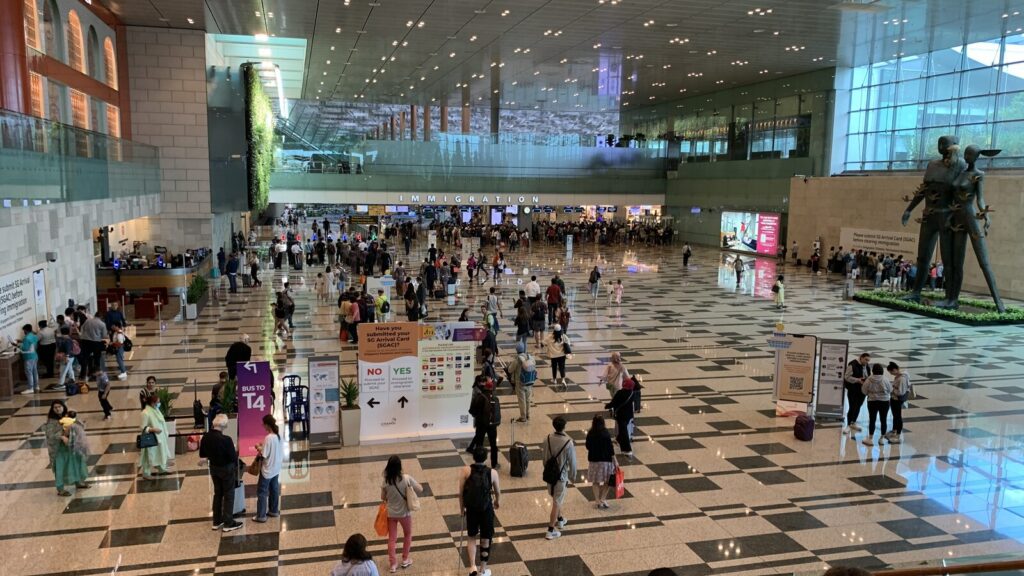
MICE is about groups gathered for a shared purpose, and that changes everything. You’re not booking ten separate trips; you’re orchestrating one event where a hundred arrivals have to clear immigration together, a room block has to hold at one standard, a gala venue has to be contracted a year out, and a single delay can throw off a tightly choreographed day. Budgets are bigger, lead times are longer, and the planning is project management rather than booking. The table below sketches the difference.
| Regular corporate travel | MICE | |
|---|---|---|
| Unit | One traveller, one trip | A group with a shared agenda |
| Purpose | Day-to-day business — a client visit, a single meeting | A defined event — a conference, reward trip or exhibition |
| Lead time | Days to weeks | Months to over a year |
| Who handles it | TMC or self-booking tool | Agency, PCO and a destination management company |
| Skill | Booking and policy compliance | Event production and group logistics |
Who’s involved in a MICE programme — and where a DMC fits
A MICE programme is a relay, not a solo act. The same letters can involve different players depending on the size and type of event, but the cast usually looks like this:
- The corporate buyer (or end client). The company that owns the budget and the objective — to reward a sales team, launch a product, gather its customers. They set the brief and sign off the spend, but rarely have the in-house bandwidth to run the event abroad.
- The agency or event management company. The client’s main point of contact, often based in the same country as the client. They translate the brief into a concept, manage the budget and the delegate experience, and pull the suppliers together.
- The PCO (professional conference organiser). For large conferences and association congresses, a PCO specialises in the conference machinery — abstracts, registration, the scientific or content programme, sponsorship and the exhibition floor.
- The venue and hotels. The convention centre, the conference hotel, the gala space. They supply rooms, meeting space, catering and on-site event staff.
- The DMC (destination management company). The local operator on the ground at the destination. This is where we sit. A DMC knows the city intimately — which hotels actually deliver, which venues are worth the money, how long the airport transfer really takes in rush hour — and turns the agency’s plan into a programme that runs to the minute on the day.
The DMC is the part the client never sees but always feels: the meet-and-greet that works at scale, the coaches that arrive on time, the gala that comes together, the contingency that kicks in when 200 delegates change plans at once. If you want the full case, we wrote a piece on why agencies use a DMC for MICE. And if the alphabet soup is getting confusing, our MICE glossary defines the terms in one place.
Why MICE matters
MICE is one of the highest-value segments in all of travel. A MICE delegate typically spends several times what a leisure tourist spends per day — premium hotels, catered events, ground transport, off-site experiences — and they do it in groups, in slower seasons, and on lead times that let a destination plan. That’s why cities build convention centres and fund convention bureaus to compete for events: a single large congress can fill thousands of room-nights and feed an entire local supply chain for a week.
For the companies that invest in it, MICE earns its budget because it does things a video call and a cash bonus can’t. A meeting in the same room builds trust faster. An incentive trip drives behaviour that a line on a payslip never will. A conference puts a year’s worth of relationship-building into three days. An exhibition opens a sales pipeline you can’t replicate online. The destination and the production are what make those outcomes stick — which is exactly why getting the ground operation right matters.
Frequently asked questions
What does MICE stand for?
MICE stands for Meetings, Incentives, Conferences and Exhibitions. It’s the branch of business travel that brings groups of people to a destination for a defined commercial purpose — a meeting, a reward trip, a conference or a trade exhibition. The “C” is sometimes read as Conventions and the “E” as Events, but the four-letter framework is the same.
What is MICE tourism?
MICE tourism (also called business events or the meetings industry) is the travel and hospitality activity generated by MICE events — the flights, hotels, venues, catering, transport and experiences a destination provides to host meetings, incentives, conferences and exhibitions. It’s prized because it brings high-spending groups, often in off-peak periods. See our guide to the leading MICE destinations across Asia and the Middle East.
What’s the difference between MICE and a DMC?
They’re not the same kind of thing. MICE is the category of travel — the events themselves. A DMC, a destination management company, is a type of company that operates those events on the ground at the destination. Put simply: MICE is the what, the DMC is one of the who.
What is a MICE DMC?
A MICE DMC is a destination management company that specialises in business events rather than leisure tours. It handles the group logistics that MICE demands — large-scale airport transfers, room blocks, venue sourcing, conference support, gala production and on-the-ground event management — on behalf of the agency or corporate client. It’s the local expert who makes sure the programme runs as planned.
Is MICE the same as events?
Not quite. Events are part of MICE — the “E” often stands for Exhibitions or Events — but MICE is a broader umbrella that also covers meetings, incentive travel and conferences. A standalone event might be a single gala or product launch; a MICE programme is the wider package of travel, accommodation and event services built around any of the four pillars.
Planning a MICE programme?
Whether you’re a travel agent quoting a corporate client, an event organiser scoping a destination or a tour operator adding group business, the ground operation is what makes or breaks a MICE programme. We handle meetings, incentives, conferences and exhibitions across Asia and the Middle East as the destination team behind the plan. Get in touch with a brief — group size, dates and what you’re trying to achieve — and we’ll come back with options that work on the ground, not just on paper.
Trade fair photo: Yu Chu Chin, CC BY-SA 4.0, via Wikimedia Commons.

Travel DMC Group
Travel DMC Group is a B2B destination management company handling ground services — hotels, transfers, guided tours, MICE and group logistics — across Asia, the Middle East and the Caucasus. These guides are written by our in-house operations and product team from first-hand experience running group departures.
Recommended Posts
How to Check an AI-Built Itinerary Before You Sell It
October 20, 2026