
Philippines Island-Hopping: A Group Logistics Guide
With more than 7,000 islands strung across the western Pacific, the Philippines offers one of Asia’s most photogenic group-tour products. It also offers one of its most demanding. The same geography that gives you turquoise lagoons, limestone karsts and white-sand beaches is the geography that turns a poorly planned itinerary into a string of missed flights, stranded coaches and unhappy clients. For travel agents and tour operators, a Philippines island hopping programme lives or dies on logistics long before it lives or dies on scenery.
This guide is written for the trade, not the end consumer. We run group departures across the archipelago, and below we set out how we think about sequencing a multi-island tour, where to take groups, what it costs at each tier, and the practical traps that catch operators new to the destination. If you already know the destination and just want pricing and a sample routing, skip to the cost table and the sample itinerary.
Why run a Philippines group tour through a DMC
The Philippines is not a destination you can run cleanly off an OTA and a spreadsheet. Inter-island movement depends on a mix of domestic carriers, fast-craft ferries and small bangka outrigger boats, each with its own booking channel, baggage rule and weather sensitivity. Group rates at island resorts are negotiated, not published. And when a typhoon reroutes a domestic flight at short notice, you need someone on the ground who can re-sequence the day rather than someone in a call centre two time zones away.
That is what a Destination Management Company does. We hold the local contracts, the boat charters, the guide network and the contingency relationships, and we carry the operational risk so you can sell with confidence. If you are new to the model, our explainer on what a DMC actually does covers the division of labour. For the Philippines specifically, the value is concentrated in two places: inter-island transport that actually connects, and a single point of accountability when the weather doesn’t cooperate. Our Philippines DMC services page sets out the full scope.
Where to take a group
You cannot show a group the whole archipelago in one trip, and you shouldn’t try. We build most programmes around a gateway plus two or three island clusters, chosen for flight connectivity rather than a map that simply looks balanced.
Manila — the gateway
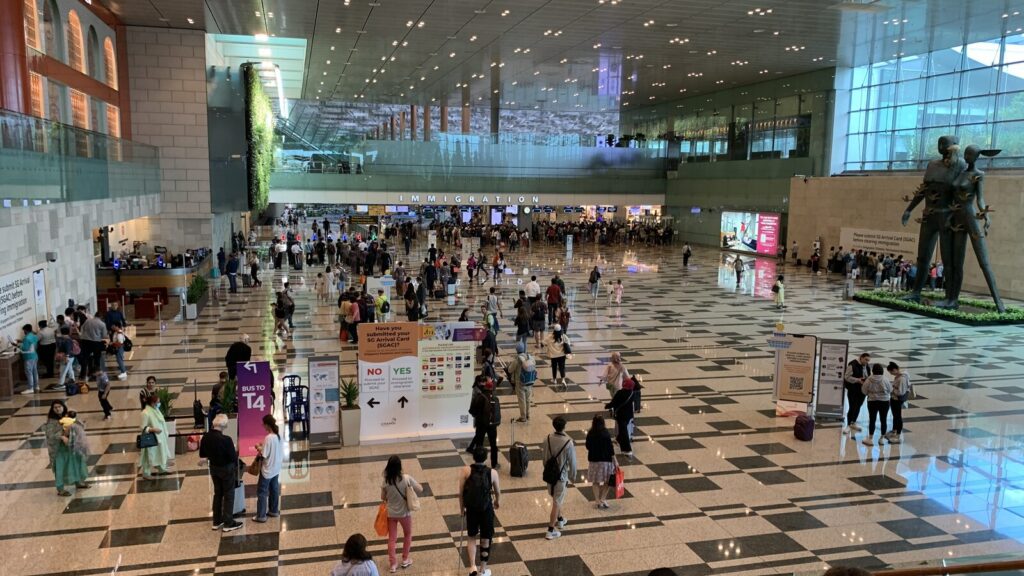
Most international groups arrive through Ninoy Aquino International Airport in Manila. Manila is principally a transit and connection hub for a leisure group: one night on arrival to absorb jet lag and clear the long-haul, with an optional half-day of Intramuros, the old walled city, and Rizal Park. We rarely build more than a night or two here at the front of an itinerary; the islands are what the group came for, and Manila’s traffic eats touring time.
Cebu and Bohol
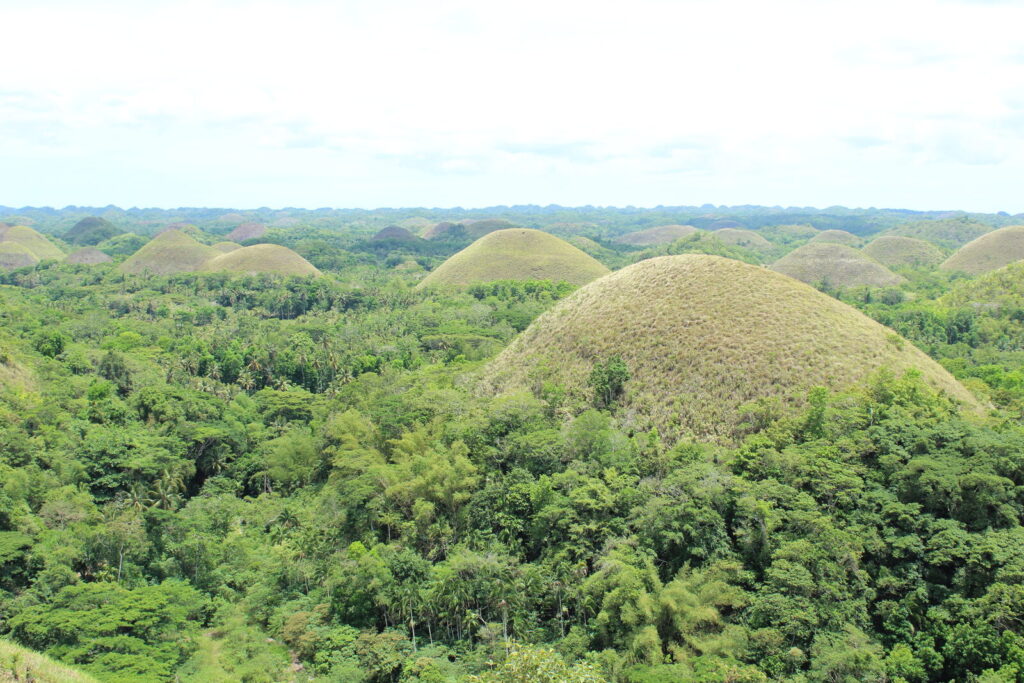
Cebu is the central Visayas hub and the easiest second airport to fly groups into. From Cebu, a short transfer and ferry crossing reaches Bohol, which carries an unusually high density of attractions for a single island: the Chocolate Hills, the small tarsier primates, the Loboc River, and beach time on Panglao. Cebu and Bohol together make a strong three-to-four-night cluster that combines culture, wildlife and beach without long transfers.
Palawan — El Nido and Coron
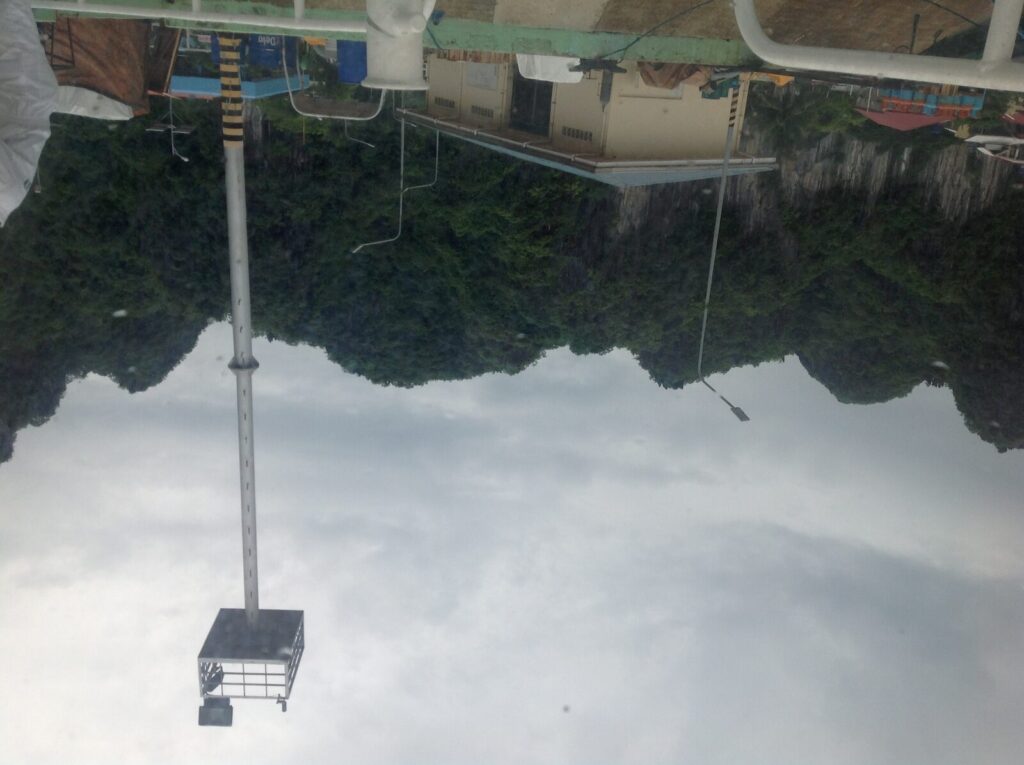
Palawan is the headline for most Philippines island hopping itineraries. El Nido and Coron, at the northern end of the long island, are the centres for bangka boat tours through lagoons, limestone cliffs and snorkel sites. This is also where logistics get hardest: El Nido’s small airport has tight capacity and weight rules, and Coron is reached by its own airport or by ferry. We treat Palawan as the operational core of any group programme and plan the rest of the routing around getting in and out of it cleanly.
Boracay — resort and beach
Boracay, reached via Caticlan airport and a short boat hop, is the resort-beach option: White Beach, a developed strip of hotels and dining, and easy water activities. It suits incentive groups and clients who want a polished beach finish rather than the rawer boat-tour experience of Palawan. We often use it as an alternative to, rather than alongside, El Nido to keep the routing tight.
Groups that want to extend a beach-and-island theme across borders frequently pair the Philippines with our Indonesia island programmes — Bali and Komodo make a natural regional combination for longer departures.
The island-hopping logistics challenge
Here is the core operational problem. The Philippines has three layers of inter-island transport, and a group programme almost always uses all three:
- Domestic flights connect the main hubs — Manila, Cebu, Puerto Princesa, El Nido, Caticlan — and are the fastest way to move a group between island clusters. They are also the most weather-exposed and the most baggage-restricted, especially the small turboprop services into El Nido.
- Fast-craft ferries handle medium crossings such as Cebu to Bohol or Caticlan-area transfers. They move groups reliably in good weather but are suspended when sea conditions deteriorate.
- Bangka outrigger boats are the workhorses of the actual island-hopping day tours in El Nido, Coron and around Bohol. They are small, weather-sensitive and slow, which is exactly why the day’s plan has to be built around tides, sea state and group size.
The mistake we see operators make is treating these as interchangeable and scheduling tight same-day connections across two or three of them. A domestic flight that lands at noon does not leave room for a four-hour boat tour the same afternoon if the flight slips. The way we sequence it is to give each transport layer its own day where possible: fly into the cluster, settle, then run the boat days from a fixed base. Connections that must happen on the same day get a generous buffer, and the day with the longest boat exposure is never the day before an international departure.
Best time to visit
The Philippines has a broadly two-season climate. The dry season runs roughly from late November or December through May and is the window we recommend for group island-hopping: calmer seas, more reliable boat days and the best snorkel visibility. The wet season, roughly June through October, brings the typhoon risk that can suspend ferries and reroute domestic flights at short notice.
That does not mean the wet months are unsellable — many days are fine, and rates are softer — but it does mean weather contingency has to be priced and planned into any departure in that window. For first-time groups and incentive programmes where reliability matters most, we steer clients toward the dry season. Conditions vary by region within the archipelago, so we confirm the outlook for the specific islands on the routing rather than applying a single national rule.
Visas and entry
Many nationalities can enter the Philippines visa-free for short tourist stays, with the permitted length depending on the passport. Because the rules differ by nationality and change from time to time, we do not publish a blanket statement here — we confirm visa and entry requirements per passport for every traveller on a group manifest before ticketing, and flag anyone who needs a visa or an extension well ahead of departure. Passports should have adequate validity and onward-travel evidence; we build that check into our group documentation process.
What a Philippines group tour costs
Group pricing in the Philippines depends heavily on the island, the season and how much inter-island flying the routing requires — Palawan-heavy programmes cost more to move than Cebu-and-Bohol ones because of the boat and small-aircraft component. The figures below are indicative per-person, per-day land ranges in USD for a group on twin-share, covering accommodation, transfers, guiding and standard inclusions. They exclude international air, domestic flights and visa costs, and are ranges only — we quote firm numbers against a specific routing, date and group size.
| Hotel tier | Indicative USD / person / day |
|---|---|
| Tourist / 3-star | 90 – 150 |
| Superior / 4-star | 150 – 260 |
| Deluxe / 5-star | 260 – 450 |
| Luxury island resort | 450 + |
Larger groups generally bring the per-person figure down through better contracted rates and shared transport costs, while small premium groups and remote island resorts push it up. Boat charters for private island-hopping days are a meaningful line item and scale with group size; we cost those separately so you can see exactly what the water days add.
A sample 8–10 day itinerary
This is a representative Manila–Cebu/Bohol–Palawan routing. It is illustrative — we tailor the exact sequence, nights and boat days to the group’s interests, season and budget.
Days 1–2: Manila
Arrive Manila, group meet-and-greet and transfer to hotel. Recovery night, then an optional half-day of Intramuros and Rizal Park before an afternoon domestic flight south.
Days 3–5: Cebu and Bohol
Fly to Cebu; transfer and ferry to Bohol. Full day for the Chocolate Hills, the tarsier sanctuary and the Loboc River, with a beach afternoon on Panglao. This cluster gives the group culture, wildlife and beach before the bigger island-hopping leg.
Days 6–8: Palawan (El Nido or Coron)
Fly to Palawan and base in El Nido or Coron. Two dedicated bangka island-hopping days through the lagoons, limestone formations and snorkel sites, built around tides and sea state, with a slower day in between as weather contingency.
Days 9–10: return
Fly back to Manila with a deliberate buffer day before the international departure, so a delayed domestic flight or a weather-suspended boat never threatens the long-haul connection. Optional final-night dinner and departure transfer.
Operators wanting a beach-resort finish can substitute Boracay for one of the Palawan nights, though we usually keep Palawan as the island-hopping core rather than splitting the water days.
Practical tips for operators
- Buffer your domestic flights. Never schedule a boat tour or another flight tight against a domestic arrival. Give each connection a generous margin and keep the international departure a clear day away from your longest boat day.
- Mind baggage limits on small aircraft. The turboprop services into airports like El Nido enforce low checked-baggage allowances. Brief groups in advance, plan for soft bags, and arrange luggage storage in Manila or Cebu for anything over the limit.
- Plan weather contingency explicitly. Boat days and ferries are weather-dependent. Build a flexible day into each island cluster so a suspended crossing reschedules rather than collapses, and price contingency into wet-season departures.
- Money and connectivity. The peso is the local currency; cards are accepted in cities and larger resorts but cash matters on smaller islands and for boat-day extras. Mobile coverage is good in hubs and patchier on remote islands — we set client expectations on connectivity before departure rather than after.
Frequently asked questions
How many islands should a group cover in one trip?
For an 8–10 day programme we recommend a gateway plus two island clusters — for example Cebu/Bohol and Palawan. Trying to add a third cluster usually means more flying than touring and erodes the experience.
Are inter-island flights or ferries better for groups?
It depends on the leg. Flights are fastest between distant hubs but baggage-restricted and weather-exposed; ferries suit medium crossings; bangka boats run the actual island-hopping days. Most group itineraries use all three, which is why sequencing matters more than any single mode.
When is the best time to run a group departure?
The dry season, roughly late November or December through May, gives the most reliable seas and boat days. The June-to-October wet season carries typhoon risk and needs explicit weather contingency, though rates are softer.
Do travellers need a visa?
Many nationalities can enter visa-free for short tourist stays, but the rules vary by passport and change over time. We confirm visa and entry requirements per passport for every traveller on the manifest before ticketing.
What does a Philippines group tour cost per person?
Indicative land costs run from around USD 90 per person per day at the tourist tier to USD 450 and up at luxury island resorts, excluding international and domestic air. Palawan-heavy routings cost more to move because of the boat and small-aircraft component. We quote firm figures against a specific routing and group size.
Can you combine the Philippines with another destination?
Yes. The Philippines pairs naturally with Indonesia for a longer island-and-beach theme; our Indonesia programmes are a common add-on for groups with more time.
Planning a Philippines group departure? We handle hotels, inter-island flights and boats, transfers, guides and logistics end to end. See our Philippines DMC services or request a group quote.
Photos: El Nido, Palawan by RFNirmala (CC0); the Chocolate Hills, Bohol by Wolfgang Hägele (CC BY-SA 4.0), via Wikimedia Commons.

Travel DMC Group
Travel DMC Group is a B2B destination management company handling ground services — hotels, transfers, guided tours, MICE and group logistics — across Asia, the Middle East and the Caucasus. These guides are written by our in-house operations and product team from first-hand experience running group departures.