
South Korea for Groups: Seoul, K-Culture & Shoulder-Season Value
Why South Korea is climbing every group operator’s shortlist
South Korea has moved from a niche add-on to a headline destination in just a few years, and the reason is no mystery: K-culture put it there. K-pop, Korean drama, the food, the cosmetics, the design-led cities, all of it has built a level of name recognition that used to take destinations decades to earn. For travel agents and tour operators, that recognition does a lot of the selling work before you even open a brochure. Clients arrive already curious.
What makes a South Korea group tour commercially interesting, though, is the combination of that demand with genuinely good value, especially in the shoulder seasons. Land costs sit below Japan for comparable quality, the rail and transfer infrastructure is excellent, and a compact geography means you can deliver Seoul, a coastal city and an island in a single week without exhausting the group. Below we set out where to take a group, when to go, how K-culture earns its place on the itinerary, indicative costing, a sample routing, and the practical detail that keeps an operation running cleanly on the ground.
Why work through a DMC in Korea
Korea is straightforward to travel as an independent. Running a group there is a different exercise. Coach permits and parking in central Seoul are tightly managed, the best licensed guides book out well ahead in peak weeks, and headline sites such as Gyeongbokgung Palace and the DMZ run on fixed schedules and access rules that don’t bend for a late coach. A local DMC holds the contracted coach fleet, the guide roster, the museum and DMZ slots, and the hotel allocations, and absorbs the language layer so your tour leader isn’t negotiating in real time.
We also act as your single point of accountability on the ground: one contract, one operations contact, one invoice, rather than a stack of separate suppliers in a market where most of them work in Korean. If you’re new to how this model works, our explainer on what a DMC does covers the division of responsibility. For East Asia programmes, Korea pairs naturally with Japan, and we can build a combined routing through our Japan DMC desk.
Where to take a group
Seoul
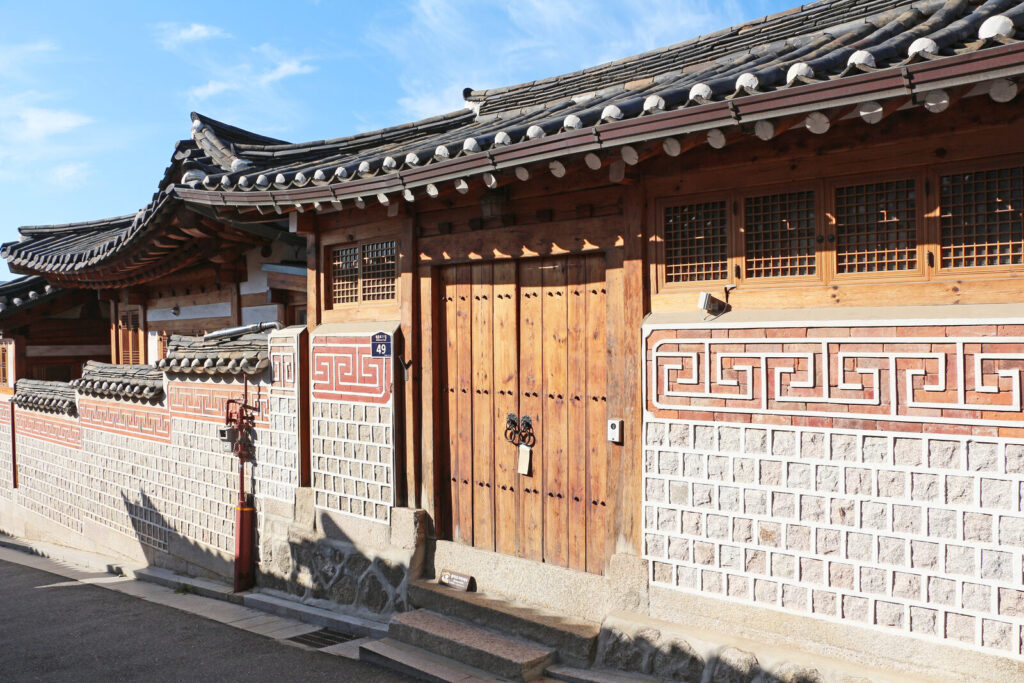
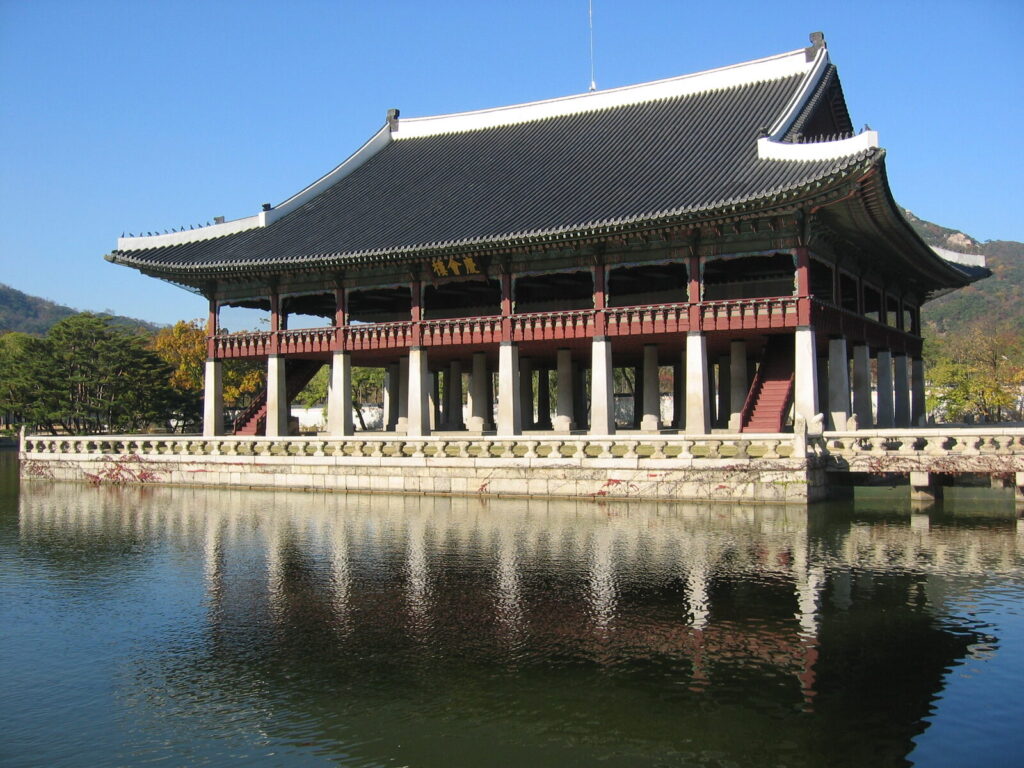
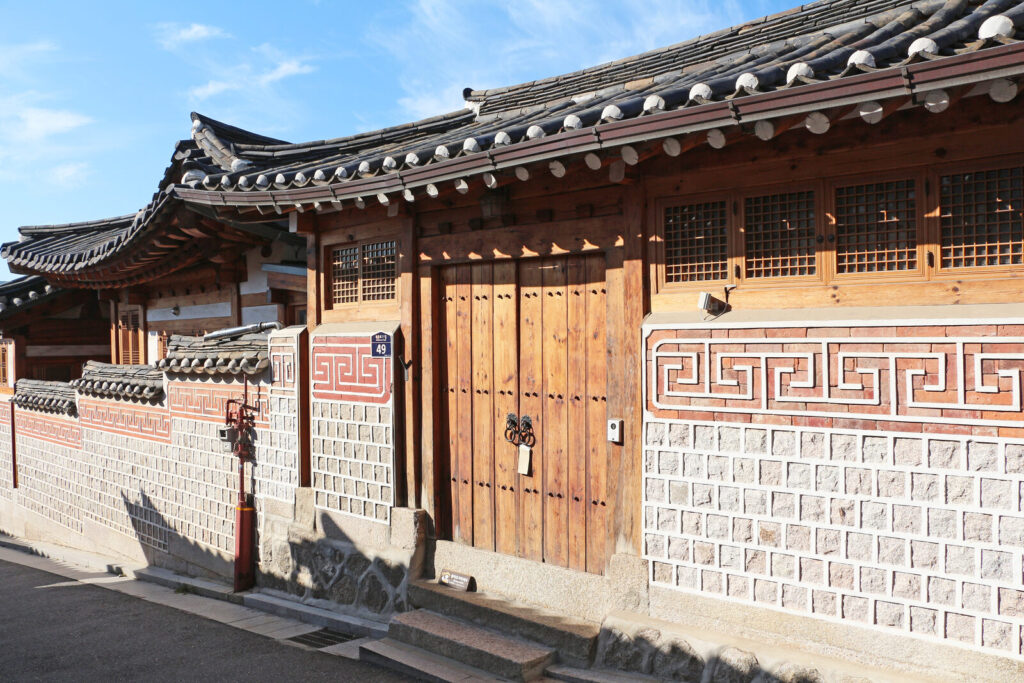
Seoul is the anchor and most groups will spend three to four nights here. The core sightseeing block is walkable and coach-friendly in roughly equal measure. Gyeongbokgung Palace is the set-piece, and if timing allows we position the group for the changing-of-the-guard ceremony at the main gate. A short walk away, Bukchon Hanok Village preserves traditional Korean houses on hillside lanes, with viewpoints that work well for a guided photo stop, though it’s a residential area and we brief groups on keeping noise down. Myeongdong covers the shopping-and-street-food appetite, and N Seoul Tower on Namsan gives the panoramic finish, reached by cable car to keep the group together.
The DMZ day trip
The Demilitarized Zone is, for most groups, the single most-requested excursion, and it has a weight that nothing else on the itinerary matches. Access is controlled and itineraries vary depending on military and political conditions; specific sites can be added or withdrawn at short notice. We book the available programme well ahead, confirm passport requirements in advance because identity checks are strict, and we are clear with operators that the exact stops are subject to change. It runs as a half or full day from Seoul.
Busan
Busan, on the south coast, is the natural second city: beaches, a working harbour, the colourful hillside houses of Gamcheon Culture Village, and a seafood market that makes an easy group lunch. It’s a useful change of pace and texture after the density of Seoul, and the KTX high-speed train links the two in well under three hours.
Jeju Island
Jeju, off the south coast, is the resort-and-nature option: volcanic landscapes, the Seongsan Ilchulbong tuff cone, waterfalls, and a milder climate. It’s reached by a short domestic flight and suits groups who want a slower two or three nights to balance the city programme.
Gyeongju
For history-led groups, Gyeongju is the standout. The former capital of the Silla kingdom holds royal tombs, the Bulguksa temple and the Seokguram grotto, several of them UNESCO-listed, in an open, low-rise setting. It works well as a stop between Seoul and Busan and gives a depth of context that the modern cities don’t.
Best time to visit
Korea has four distinct seasons and the shoulder windows are clearly the strongest for groups, on both experience and price.
- Spring (roughly April): cherry blossom, mild days, and the most photogenic version of the palaces and parks. Peak demand, so we contract early.
- Autumn (October–November): foliage colour, clear skies, comfortable walking weather. Our usual first recommendation for value-plus-conditions.
- Summer (roughly June–August): hot, humid and the rainy season falls here; workable but we lean on indoor and early-morning elements.
- Winter (December–February): cold, but it unlocks a ski-and-snow programme in the Pyeongchang/Gangwon region, which sells well to groups wanting something different.
The blossom and foliage windows are short and shift year to year with the weather, so we book guides, coaches and hotels well ahead for those departures and advise operators to do the same.
K-culture as the group draw
For a lot of clients, K-culture is the trip, and it’s worth building the itinerary around that rather than treating it as decoration. The angles that work for groups:
- K-pop and entertainment: the Hongdae district for live music and busking, entertainment-district walking routes, and merchandise stops. Live concert tickets are demand-dependent and we quote those separately when available.
- K-drama and film locations: recognisable shooting locations across Seoul and Busan that reward a knowledgeable guide who can place each scene.
- Korean food experiences: a Korean barbecue group dinner, a market food walk, a kimchi-making or hands-on cooking session, and a tteahouse stop in a hanok. These are reliable group highlights and easy to cater for dietary requirements with notice.
Visas and entry
Entry arrangements for Korea differ by nationality and they change, so we won’t generalise. Some passport holders travel visa-free for short stays, some use the K-ETA electronic travel authorisation, and others need a visa in advance; the K-ETA programme itself has been adjusted and temporarily waived for certain nationalities in recent cycles. Because of that movement, we confirm the current requirement per passport in your group at the time of booking and again before departure, and we flag any group that mixes nationalities so nobody is caught out at check-in. Treat this as a per-traveller check, not a destination-level rule.
Indicative costing
The ranges below are per person, per day, on a twin-share group basis, and cover land arrangements: accommodation, a private coach, an English-speaking guide, daily breakfast, sightseeing entries and transfers. They exclude international flights, the domestic Jeju flight, lunches and dinners unless specified, and entertainment tickets. They are planning figures for a typical group, not a quote; final pricing depends on group size, season, routing and inclusions, and peak blossom and autumn dates sit at the upper end.
| Hotel tier | Indicative USD / person / day |
|---|---|
| Tourist / 3-star | $110 – $170 |
| First class / 4-star | $170 – $260 |
| Deluxe / 5-star | $260 – $420+ |
Shoulder-season dates in the tourist and first-class tiers are where Korea looks especially competitive against neighbouring markets, which is the value story to take back to your clients.
Sample 7-day Seoul + Busan + Jeju itinerary
A workable framework that can stretch to eight days or compress to six. We adjust pacing, hotel tier and the K-culture weighting to your group.
- Day 1 – Arrive Seoul: airport meet-and-greet, transfer, welcome briefing.
- Day 2 – Seoul: Gyeongbokgung Palace and guard ceremony, Bukchon Hanok Village, Myeongdong; optional Korean barbecue group dinner.
- Day 3 – DMZ: full-day DMZ excursion (programme subject to access conditions); evening N Seoul Tower.
- Day 4 – Seoul to Gyeongju to Busan: KTX south, Gyeongju heritage stops (Bulguksa, royal tombs), continue to Busan.
- Day 5 – Busan: Gamcheon Culture Village, coastal viewpoints, seafood market lunch.
- Day 6 – Busan to Jeju: domestic flight; afternoon Jeju coast and volcanic landscapes.
- Day 7 – Jeju and depart: Seongsan Ilchulbong, final sightseeing, transfer for departure.
Practical tips on the ground
- KTX high-speed rail: fast, punctual and comfortable for inter-city legs; we pre-book group seating together and manage the station logistics, which matter with luggage and a large party.
- T-money cards: the rechargeable transit card covers metro and buses across cities; useful for free time, and we can pre-load and distribute them as a group amenity.
- Connectivity: Korea has near-universal high-speed coverage; we arrange a pocket Wi-Fi router per coach or eSIMs so the group and tour leader stay reachable.
- Etiquette: a few habits go a long way, including using both hands when giving or receiving, removing shoes where indicated, and keeping volume down in residential heritage areas like Bukchon. Our guides brief the group on arrival.
FAQ
How many days do we need for a first South Korea group tour?
Six to eight days is the sweet spot. Six covers Seoul plus one of Busan or Jeju comfortably; seven to eight lets you add Gyeongju and a second region without a rushed pace.
What group size do you handle?
We run everything from small private parties to full coach groups. Pricing improves with size, and from around 15 paying passengers we can usually include a tour-leader concession; we confirm the exact policy per programme.
Can we combine Korea with Japan?
Yes, and it’s a popular East Asia pairing. We build the combined routing across our Korea and Japan DMC desks so the handover between countries is seamless.
Is the DMZ trip guaranteed to run?
We book it on every programme that wants it, but access is controlled and specific sites can change or close at short notice depending on conditions. We confirm the available itinerary close to travel and brief the group accordingly.
How far ahead should we book peak-season departures?
For cherry-blossom April and autumn October–November, as early as you can. Guides, coaches and well-located hotels in those windows sell out first, and early contracting protects both availability and rate.
What’s included in your land package?
Typically accommodation, private coach, licensed guide, breakfasts, sightseeing entries, transfers and inter-city rail. International and domestic flights, most meals and entertainment tickets are usually separate; we tailor inclusions to your brief and quote them transparently.
Planning a South Korea group departure? We handle hotels, KTX rail, transfers, guides and logistics end to end. See our South Korea DMC services or request a group quote.
Photos: Gyeonghoeru pavilion, Gyeongbokgung Palace by eimoberg (CC BY 2.0); Bukchon Hanok Village, Seoul by Bgag (CC0), via Wikimedia Commons.

Travel DMC Group
Travel DMC Group is a B2B destination management company handling ground services — hotels, transfers, guided tours, MICE and group logistics — across Asia, the Middle East and the Caucasus. These guides are written by our in-house operations and product team from first-hand experience running group departures.